
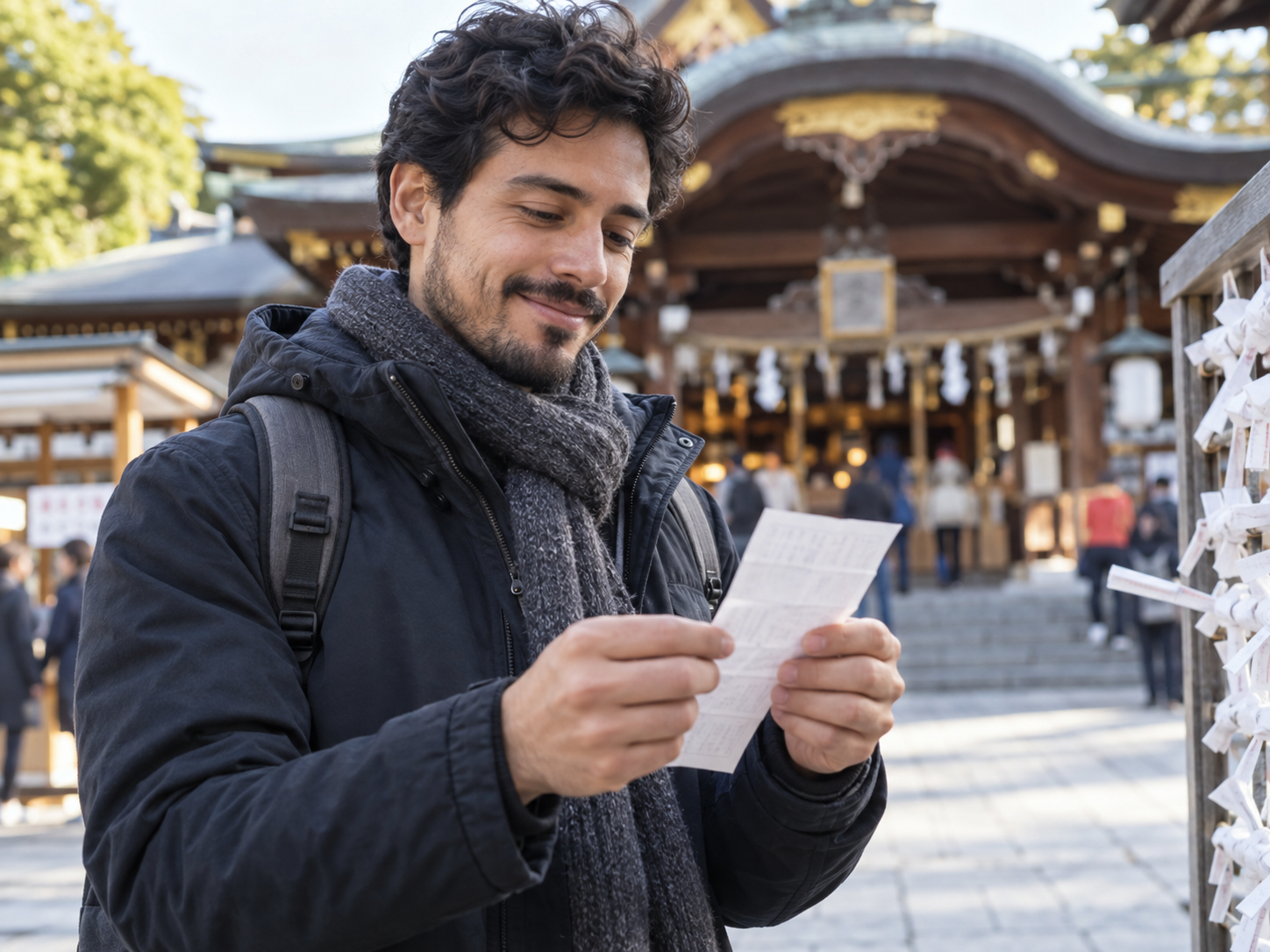
Omikuji Translation Guide: What Do the Japanese Words Mean?
A traveler-friendly omikuji translation guide. Learn what common Japanese words on your fortune slip mean, including wish, love, lost items, and waiting person.
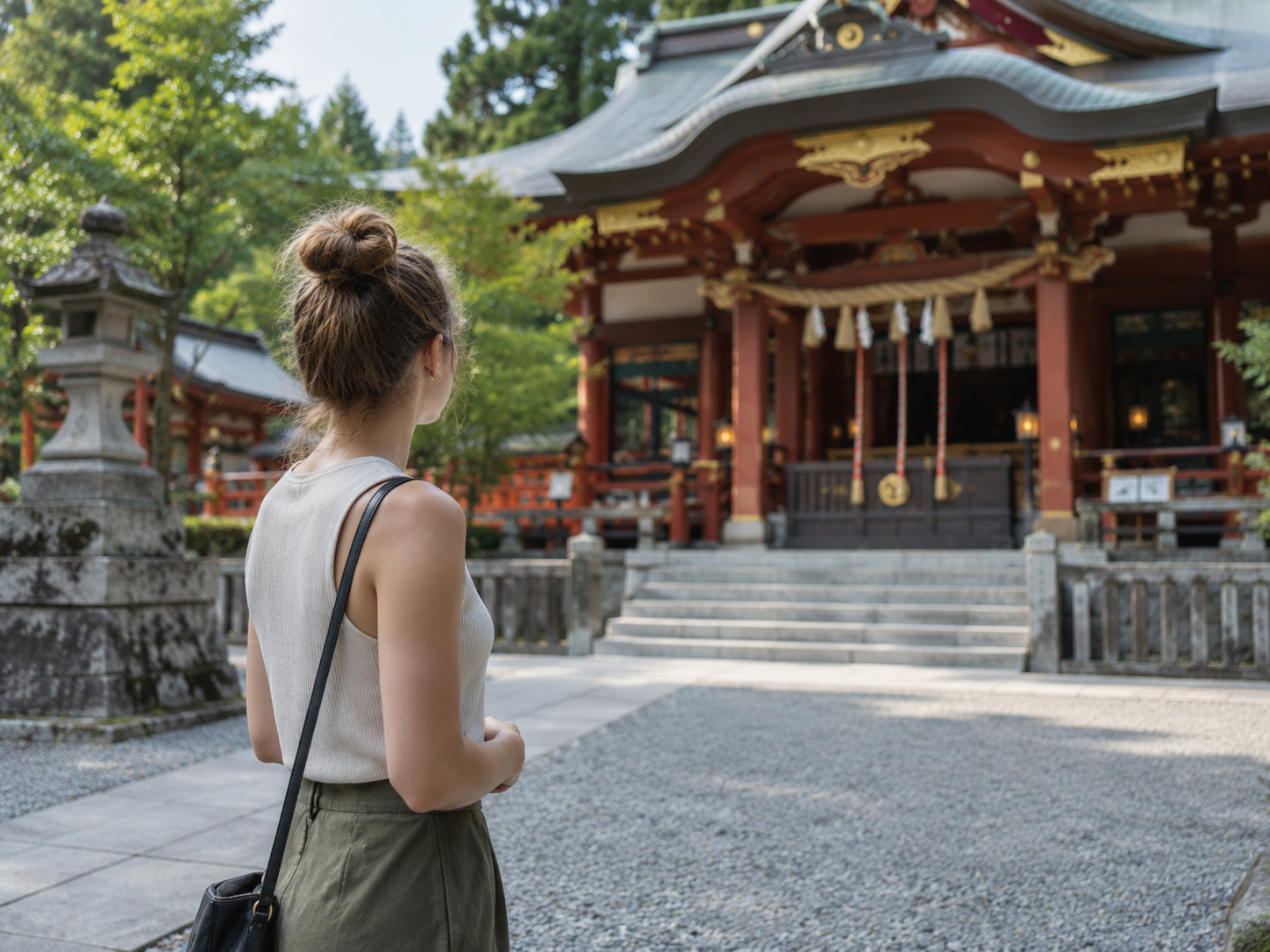
What to Wear to a Shinto Shrine in Japan: Dress Code Explained
Wondering what to wear to a Shinto shrine in Japan? Learn whether shorts, sandals, bare shoulders, and hats are okay, plus rules for formal prayer.
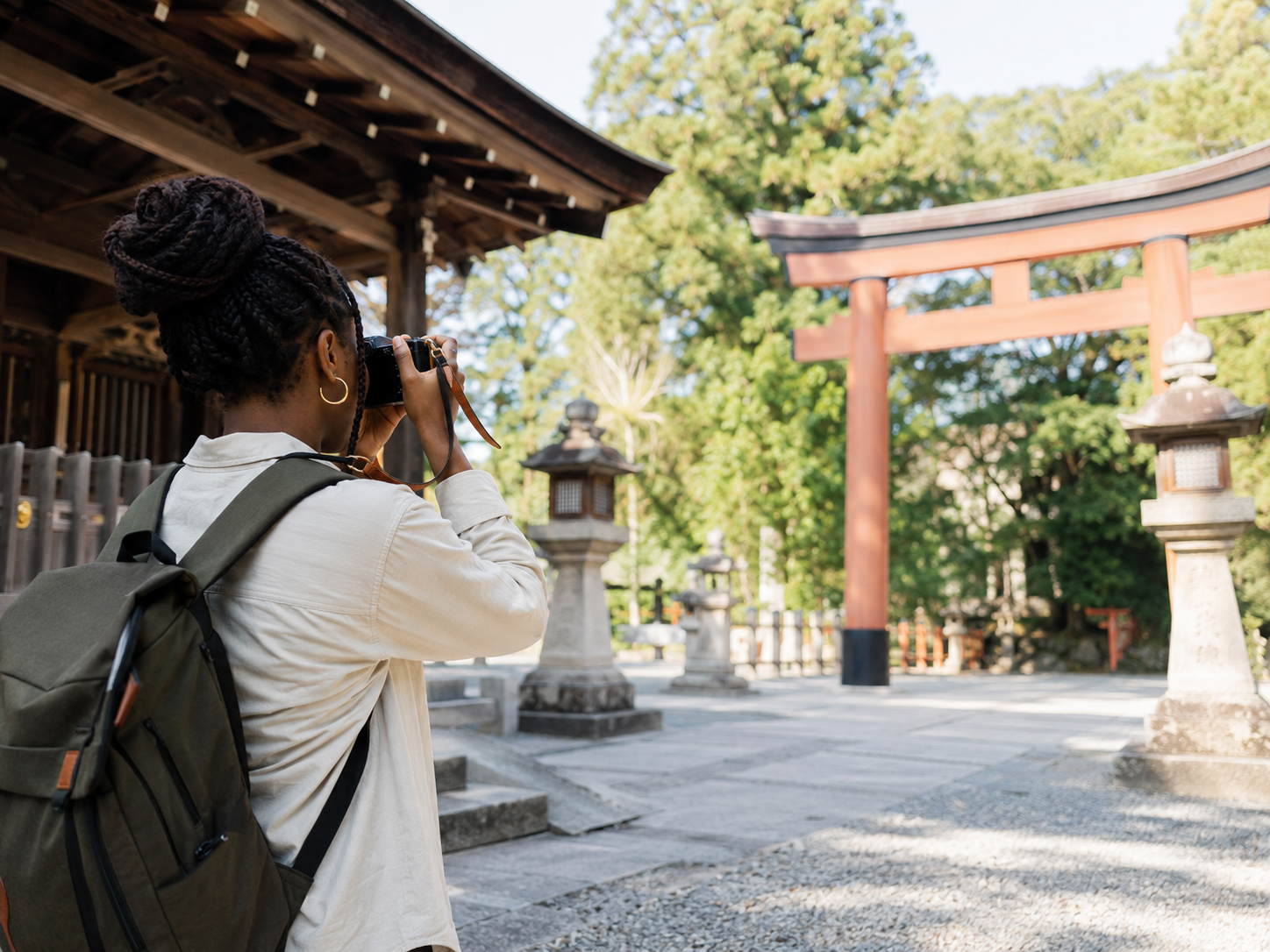
Can You Take Photos at a Shinto Shrine? Photography Etiquette in Japan
Can You Take Photos at a Shinto Shrine? Photography Etiquette in Japan If you are visiting a Shinto shrine in […]
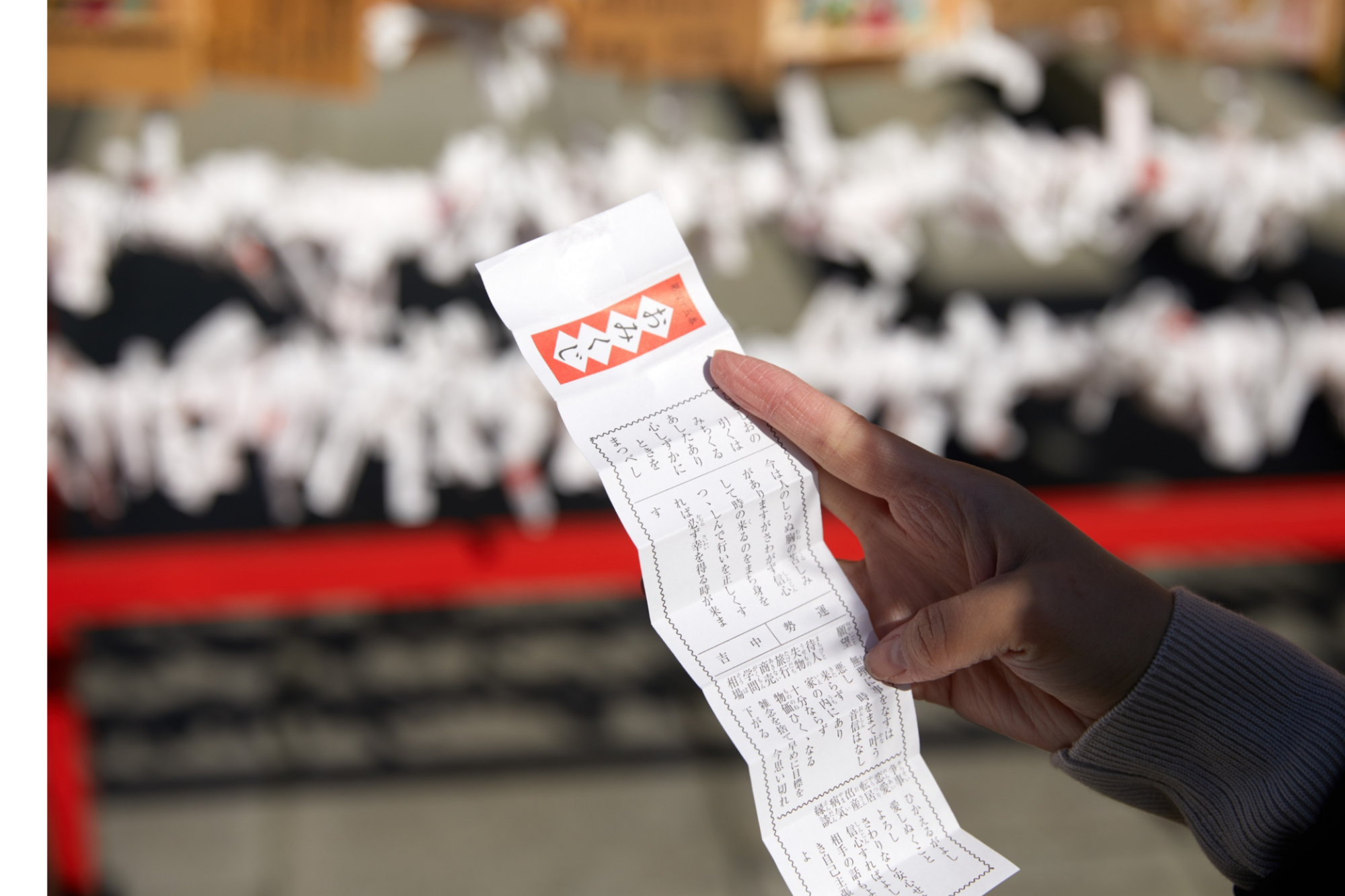
What Is Omikuji? Meaning, Fortune Rankings & How to Read Japanese Fortune Slips
What is omikuji? Learn how to draw and read Japanese fortune slips, what Daikichi and Kyo mean, fortune rankings, and whether to keep or tie
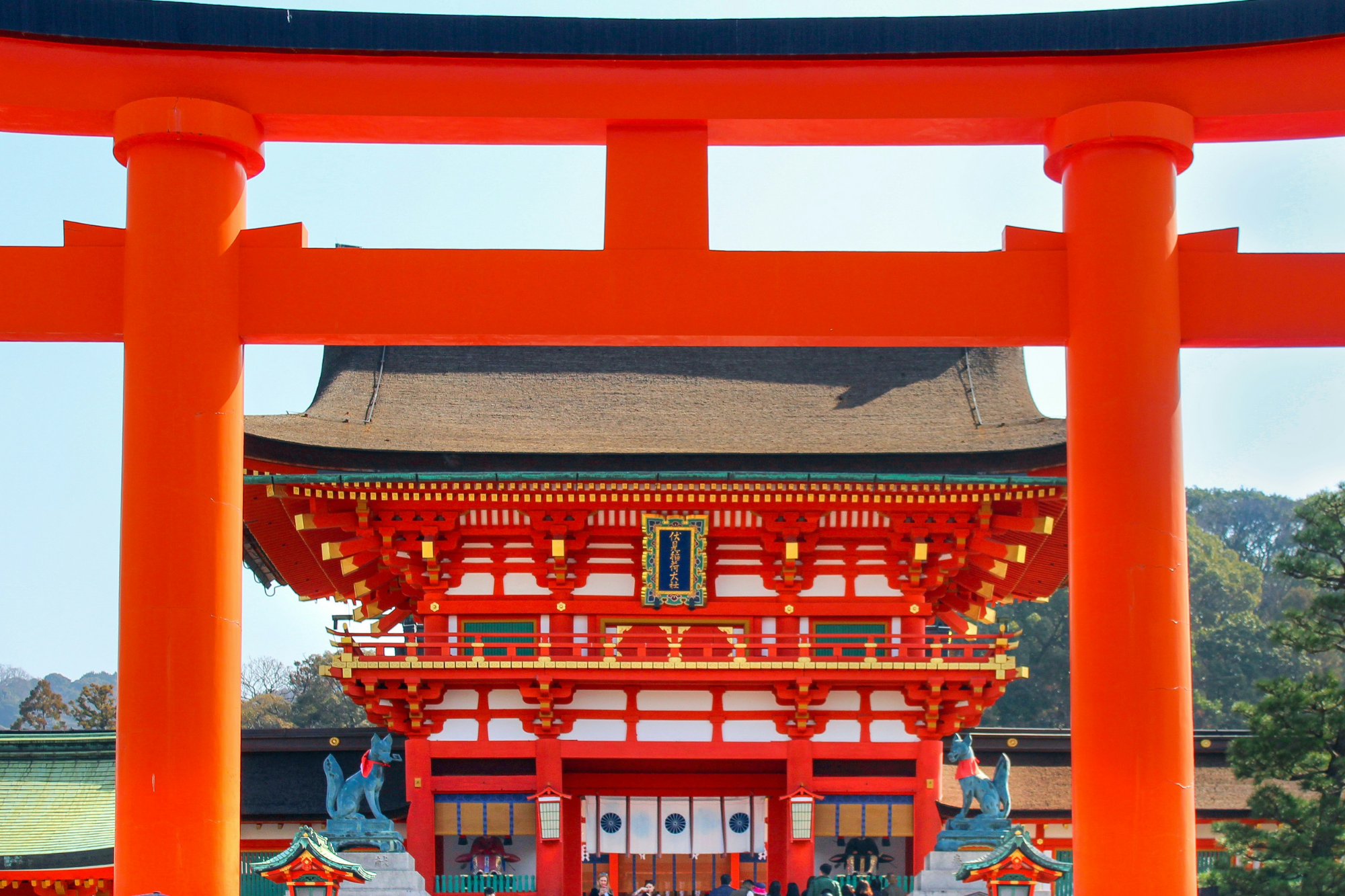
What Is a Torii Gate? Meaning, Why They’re Red & Shrine Etiquette
What is a torii gate in Japan? Learn what torii mean, why many are red, common styles, why shrines have multiple gates, and how to[…]
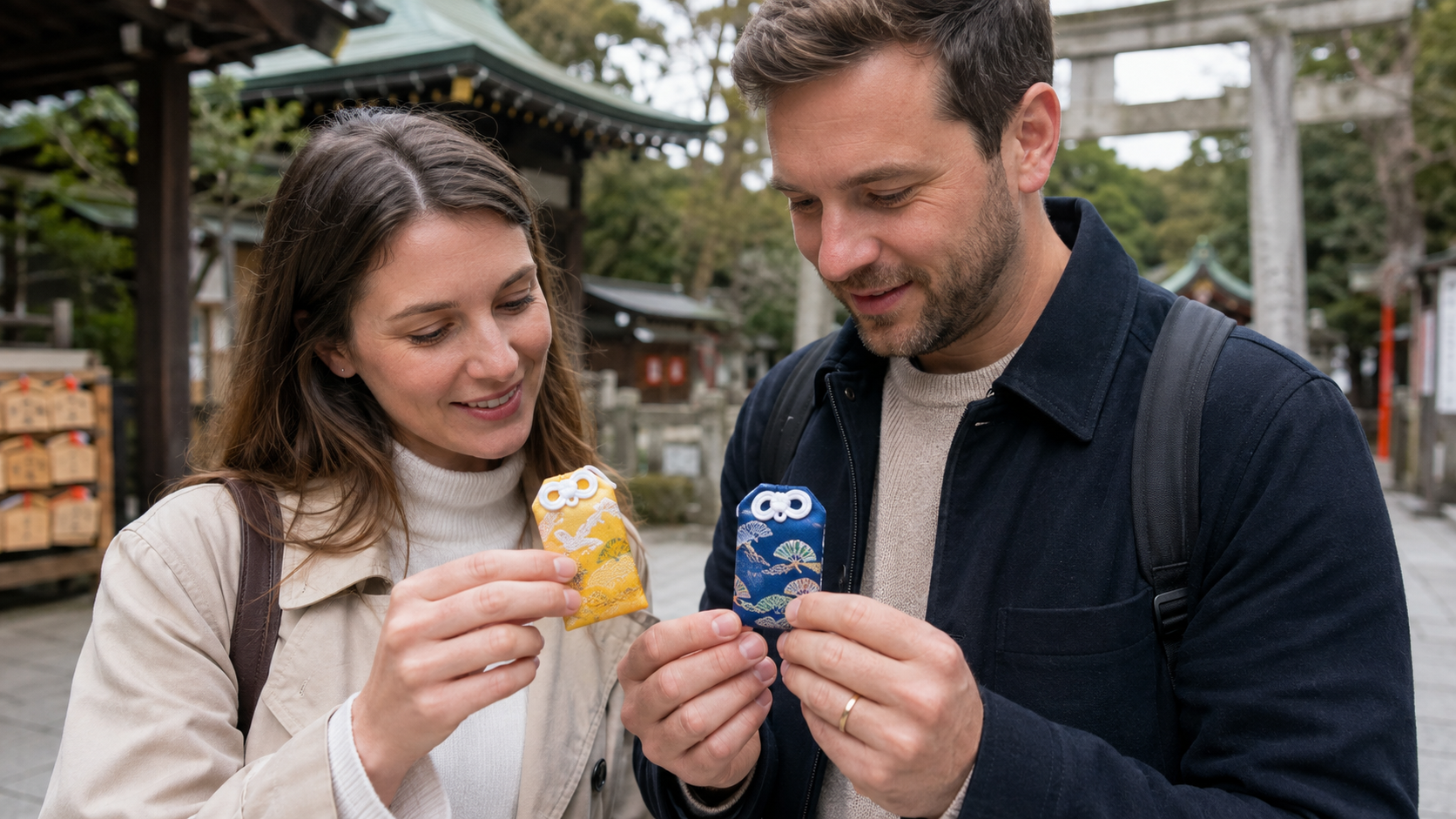
Can’t Read Japanese Omamori? How to Choose the Right One
Can’t read the Japanese on an omamori? Learn how different wishes like health, recovery, longevity, enmusubi and ryoen differ—and how to ask for the right
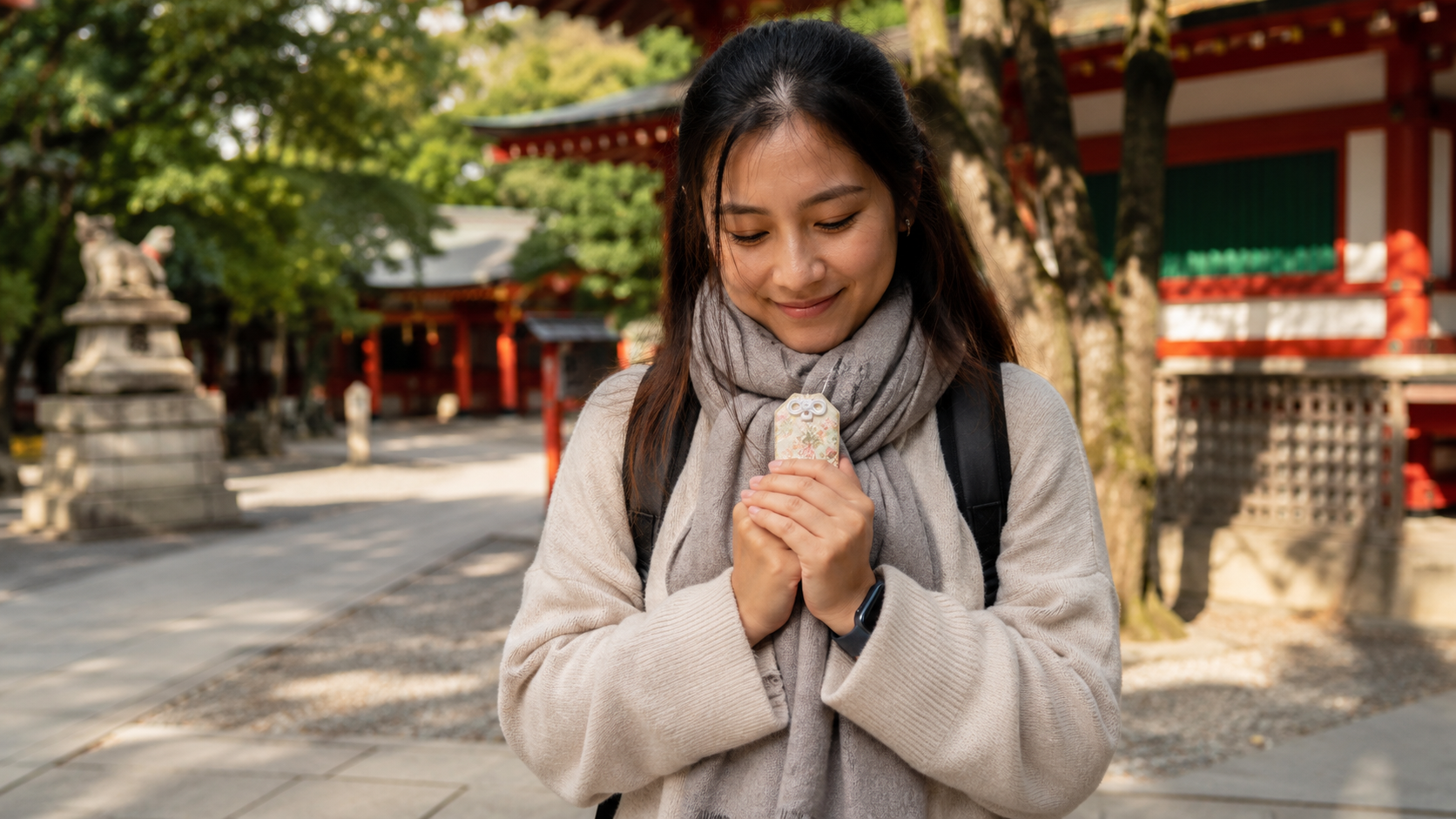
Can You Have More Than One Omamori? Shrine Etiquette Explained
Can you have more than one omamori from different shrines? Learn whether kami “fight,” how long to keep an omamori, and what to do if[…]
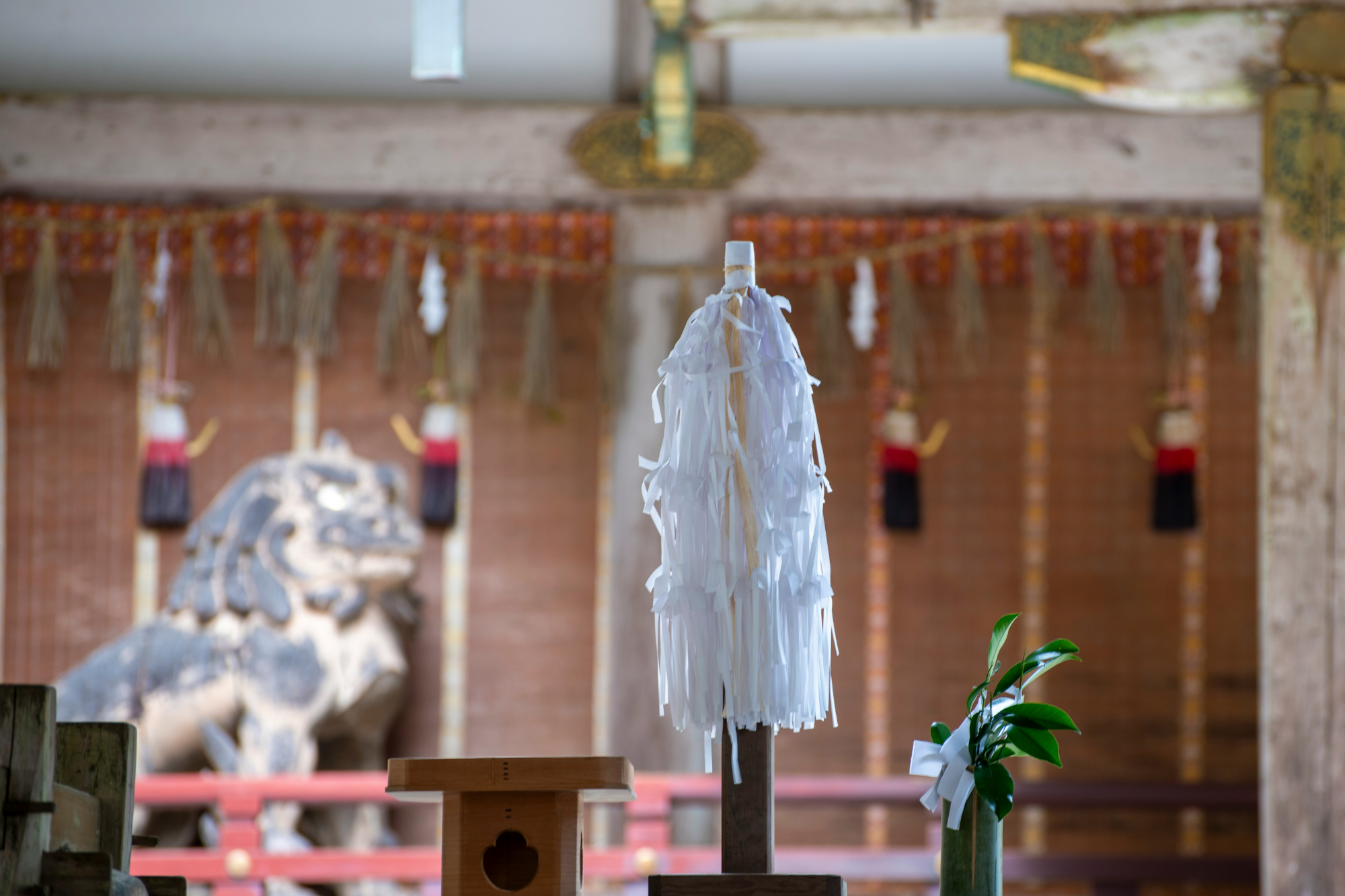
Who Are the Kami? Meaning of Kami in Shinto & Famous Examples
What does kami mean in Shinto? Learn why kami are not simply “gods,” what eight million kami means, whether nature and people can be kami,[…]
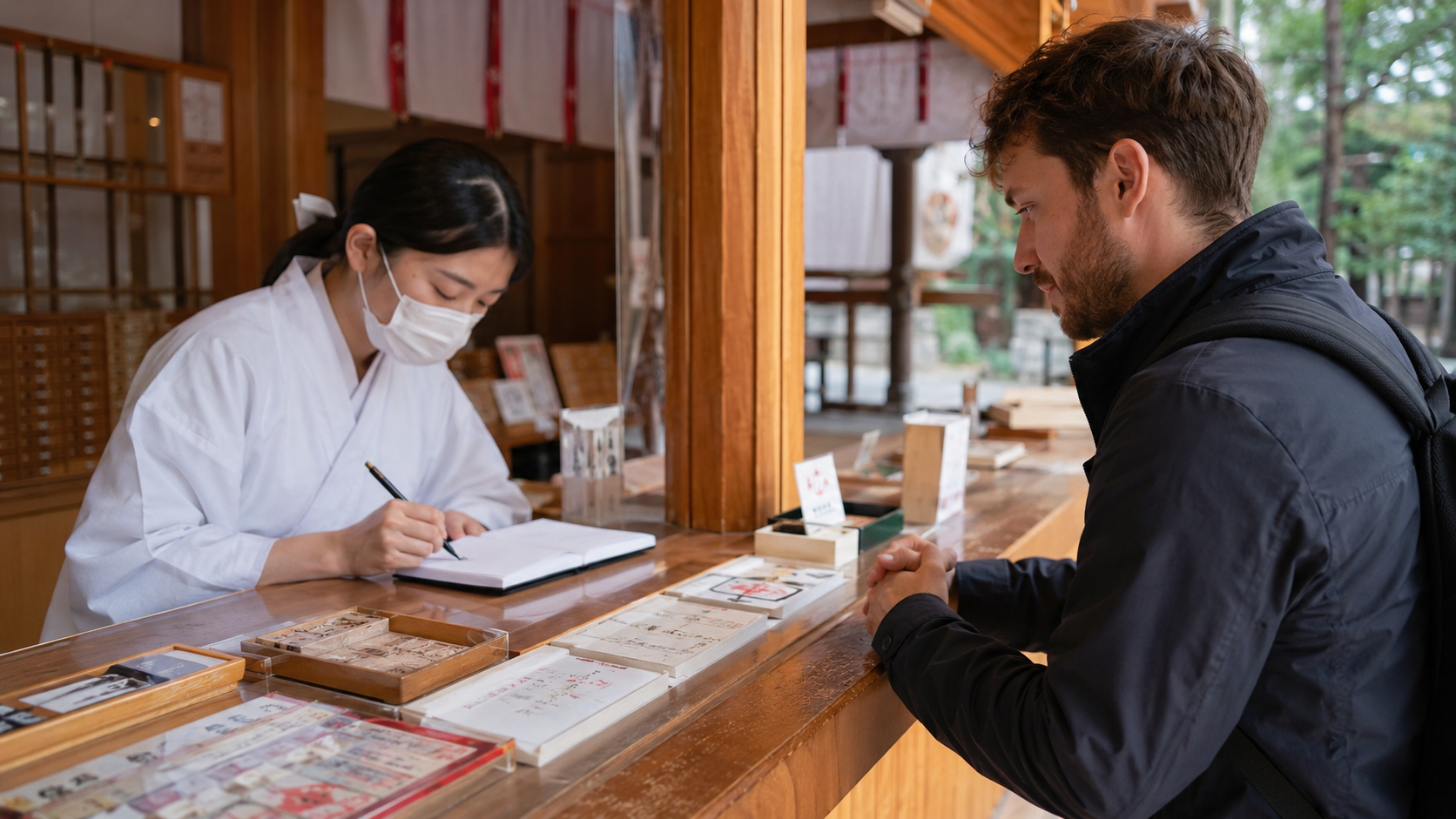
Can Someone Else Get a Goshuin for You? Proxy Services Explained
Can someone else get a goshuin for you in Japan? Learn what goshuin represent, why bulk proxy collection can cause problems, and why some shrines[…]
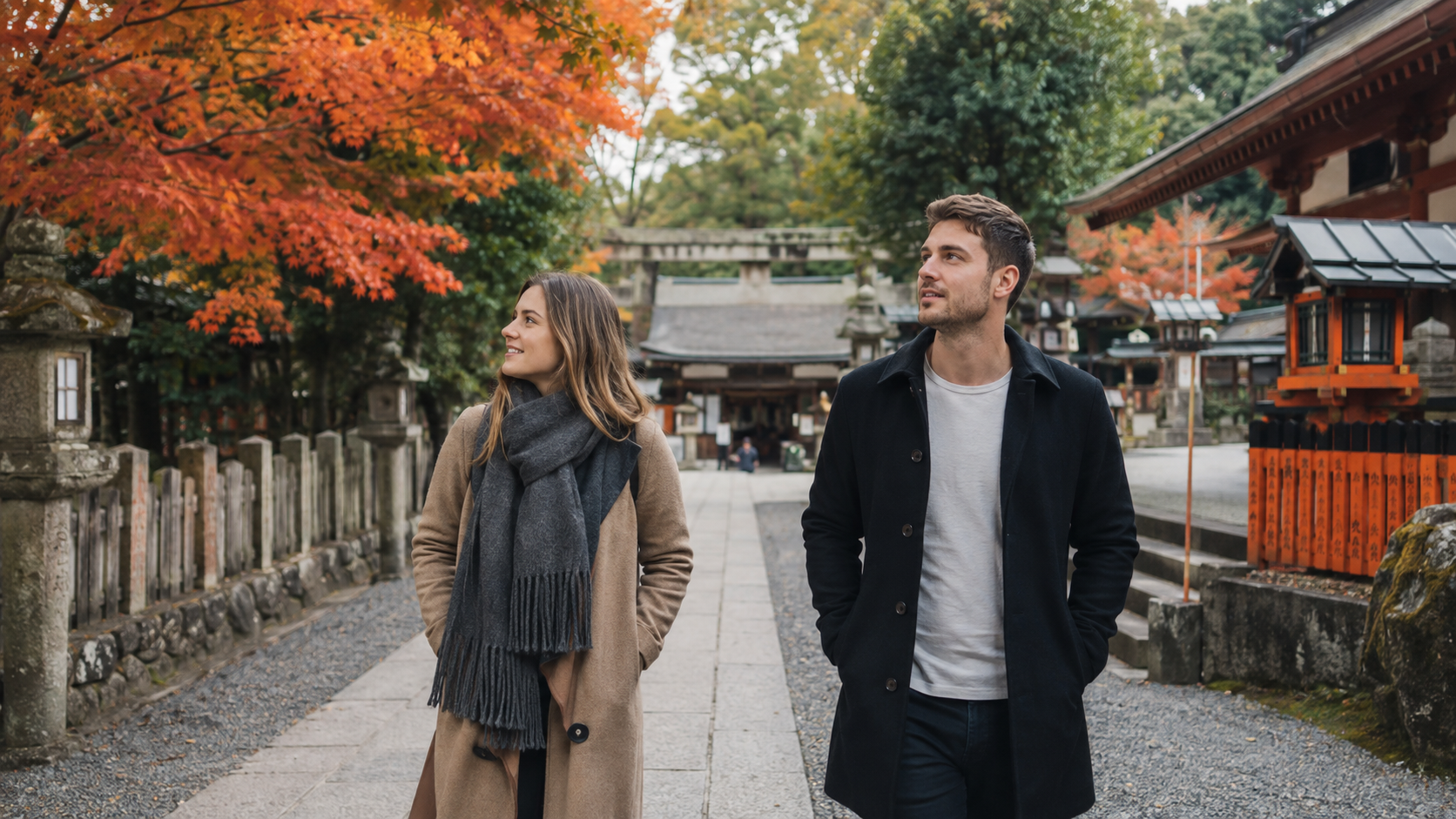
Can You Visit a Shinto Shrine Without Praying?
Can you visit a Shinto shrine without praying? Yes. Learn why people also visit shrines for festivals, culture, goshuin, scenery, and how to enjoy them
© 2026 Jin-journey for Travelers. Created for free using WordPress and Kubio