
About Jin-journey
Shrines are not tourist attractions.
They are living cultural spaces woven into everyday life in Japan.
Jin-journey shares the stories and meanings of Japanese shrines in English — for travelers who wish to understand Japan from within.
About Jin-journey Editorial Team
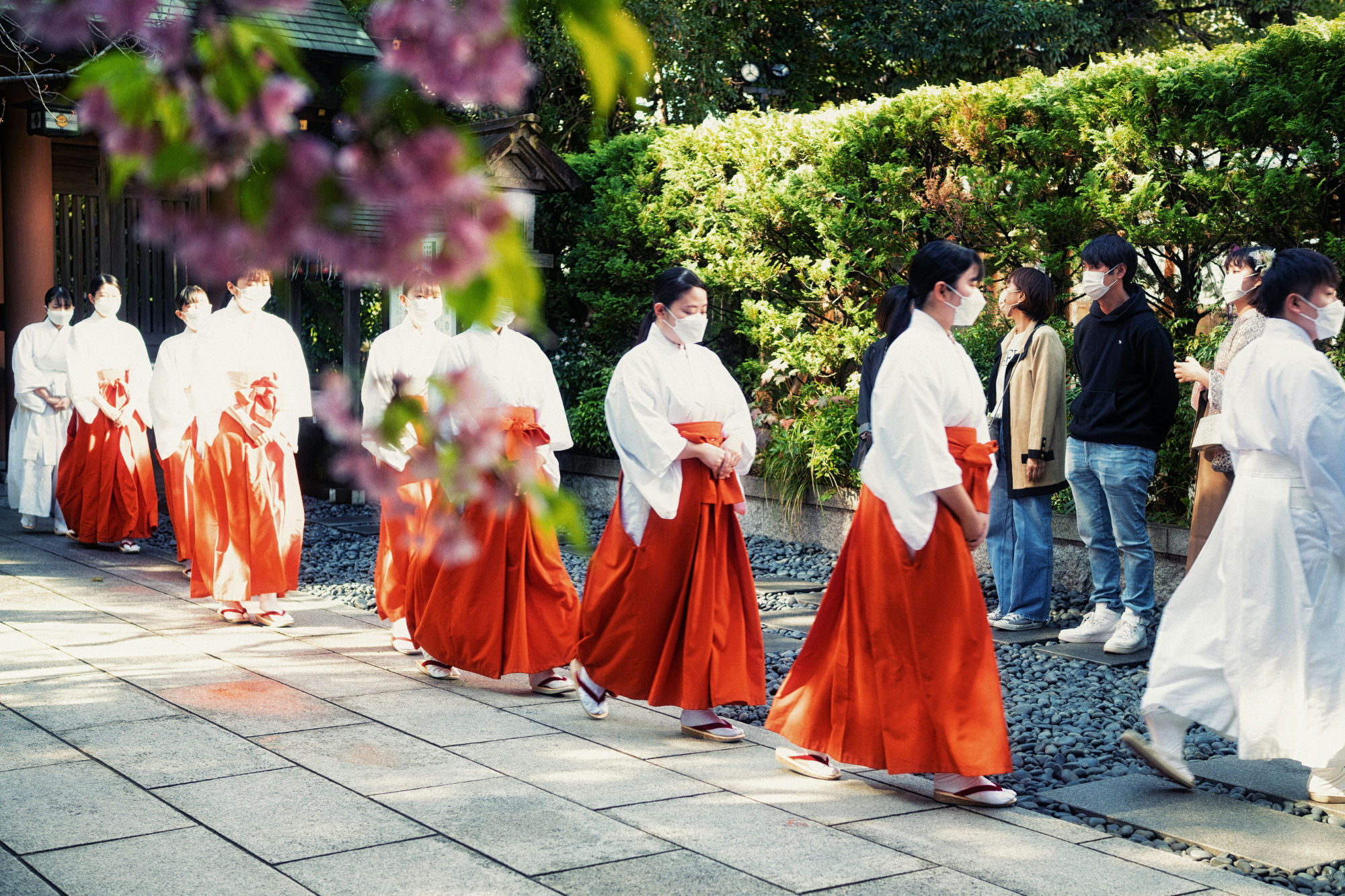
Jin-journey is written by a small editorial team of shrine workers in Japan.
Through daily shrine work and personal shrine visits, we share simple, respectful explanations about Japanese shrines, customs, and spiritual culture.
Our aim is to help travelers see shrines not only as places to visit, but as meaningful spaces connected to everyday life in Japan.

Your First Step into the World of Shrines
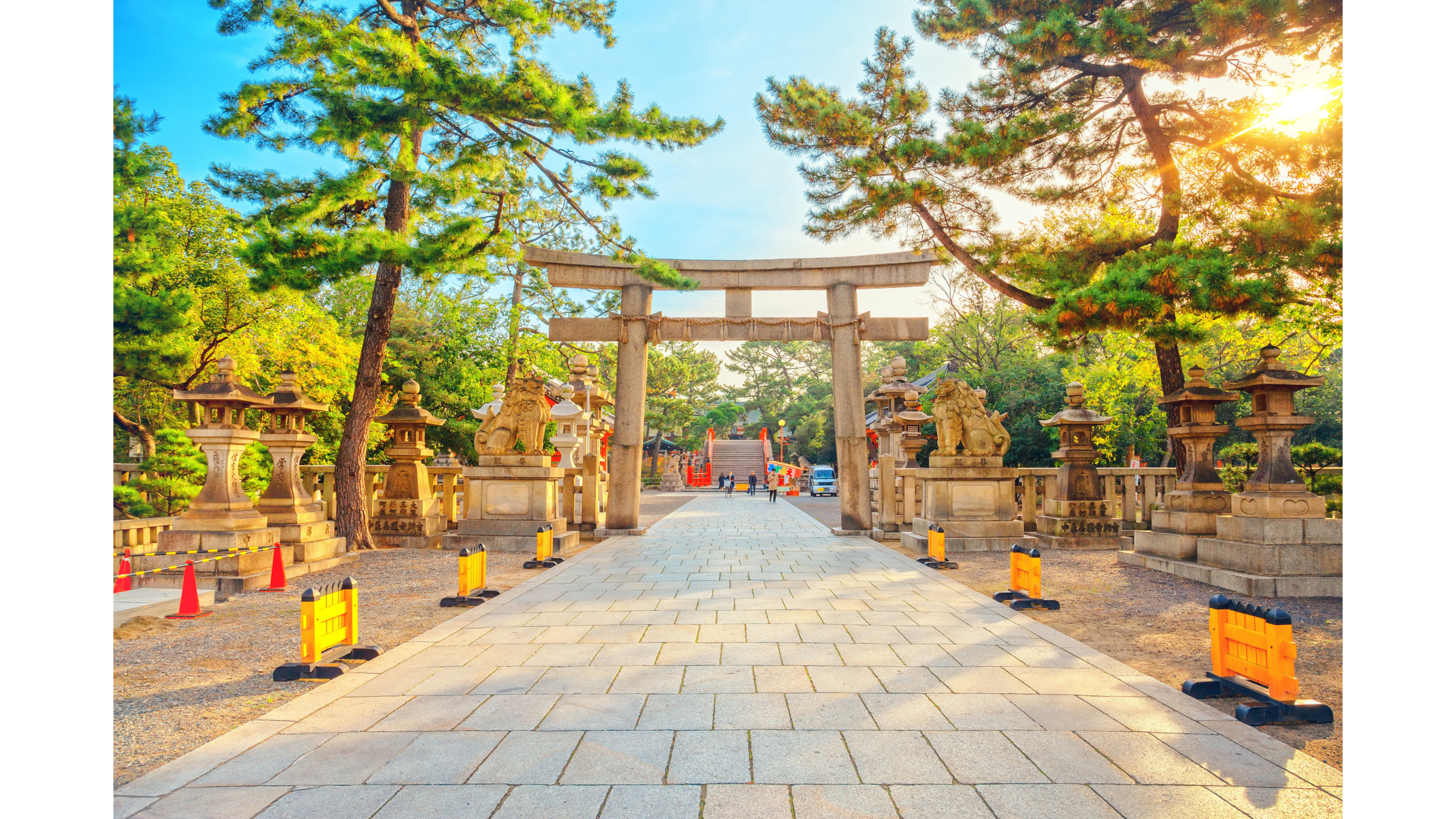
What is a Shinto Shrine?
Get insight and inspiration from our carefully curated articles
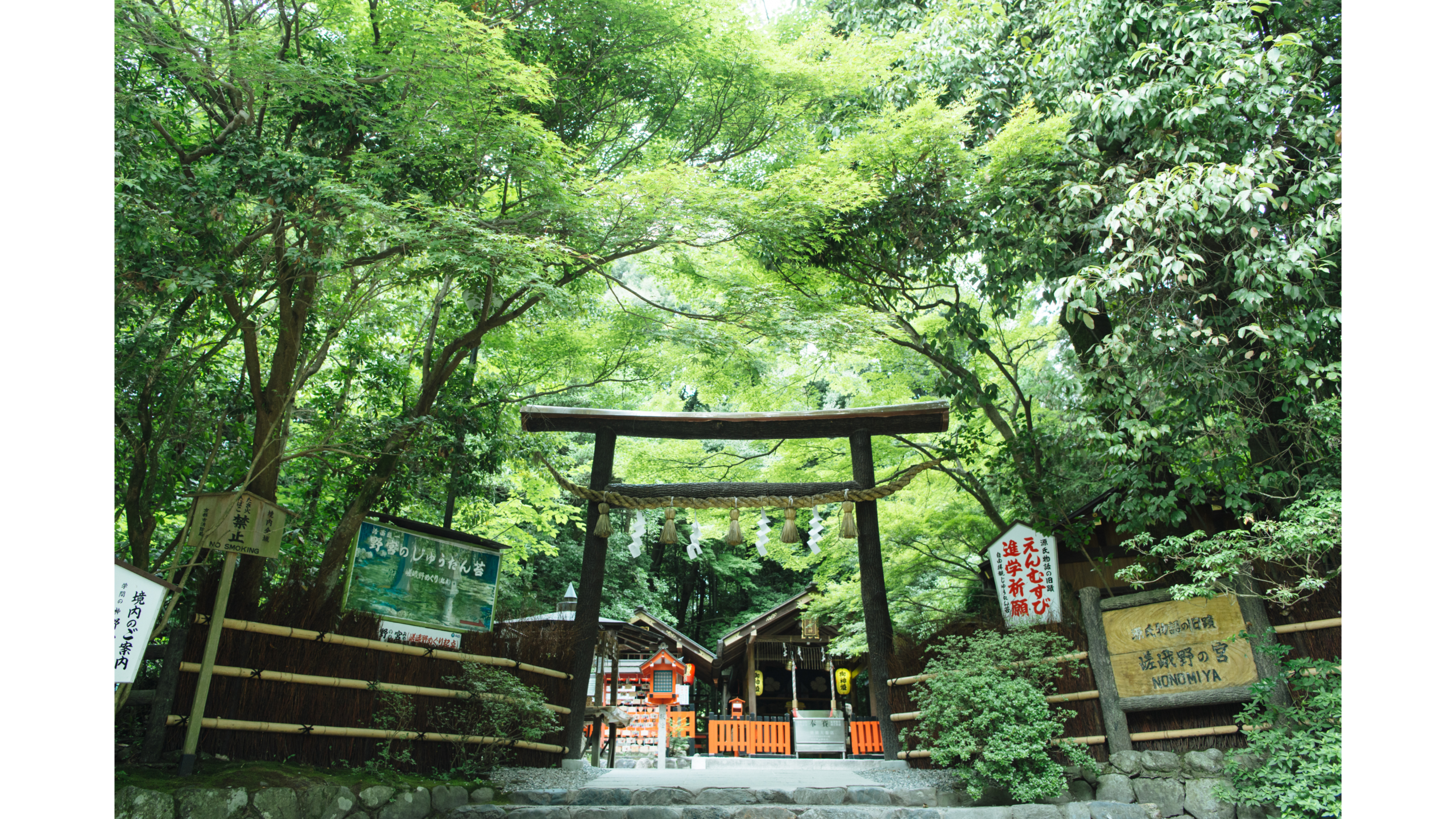
Not Shinto? No problem.
The shrine welcomes you.
Access valuable resources to deepen your spiritual practice
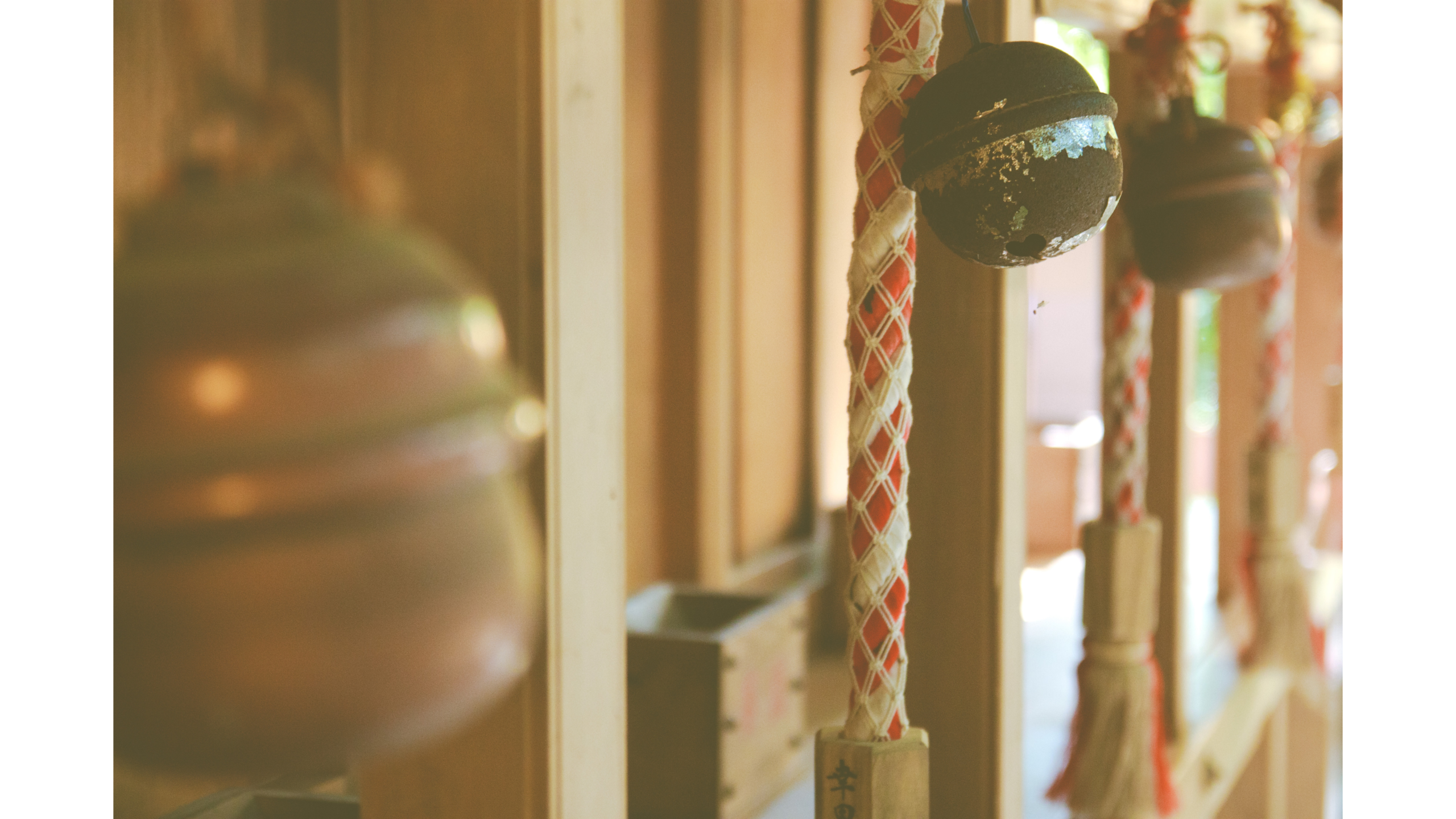
Shrine Etiquette:
A Small Gesture, A Big Respect
Connect with a supportive community of like-minded individuals
Jin-journey’s
Latest Articles
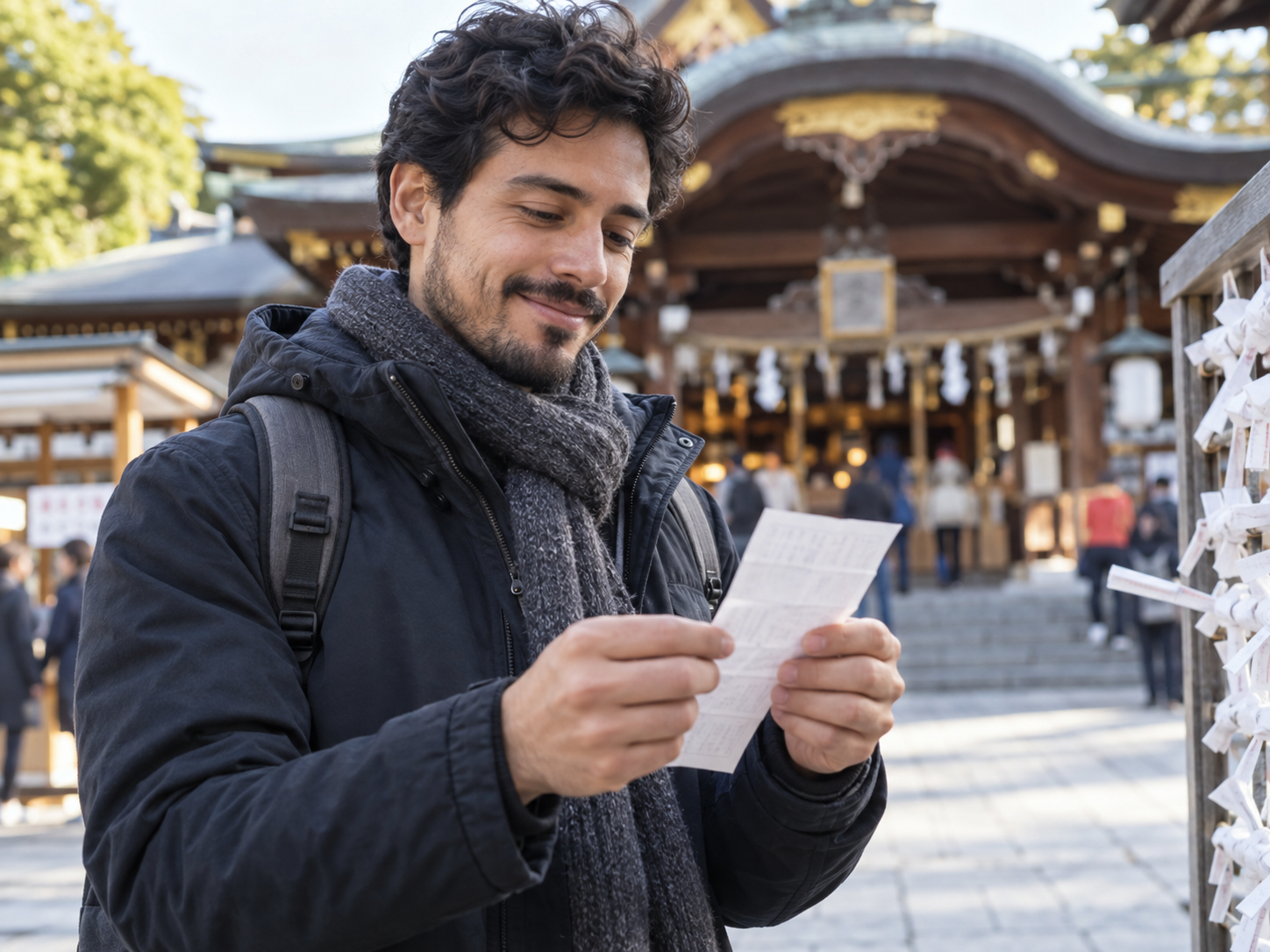
Omikuji Translation Guide: What Do the Japanese Words Mean?
A traveler-friendly omikuji translation guide. Learn what common Japanese words on your fortune slip mean, including wish, love, lost items, and waiting person.
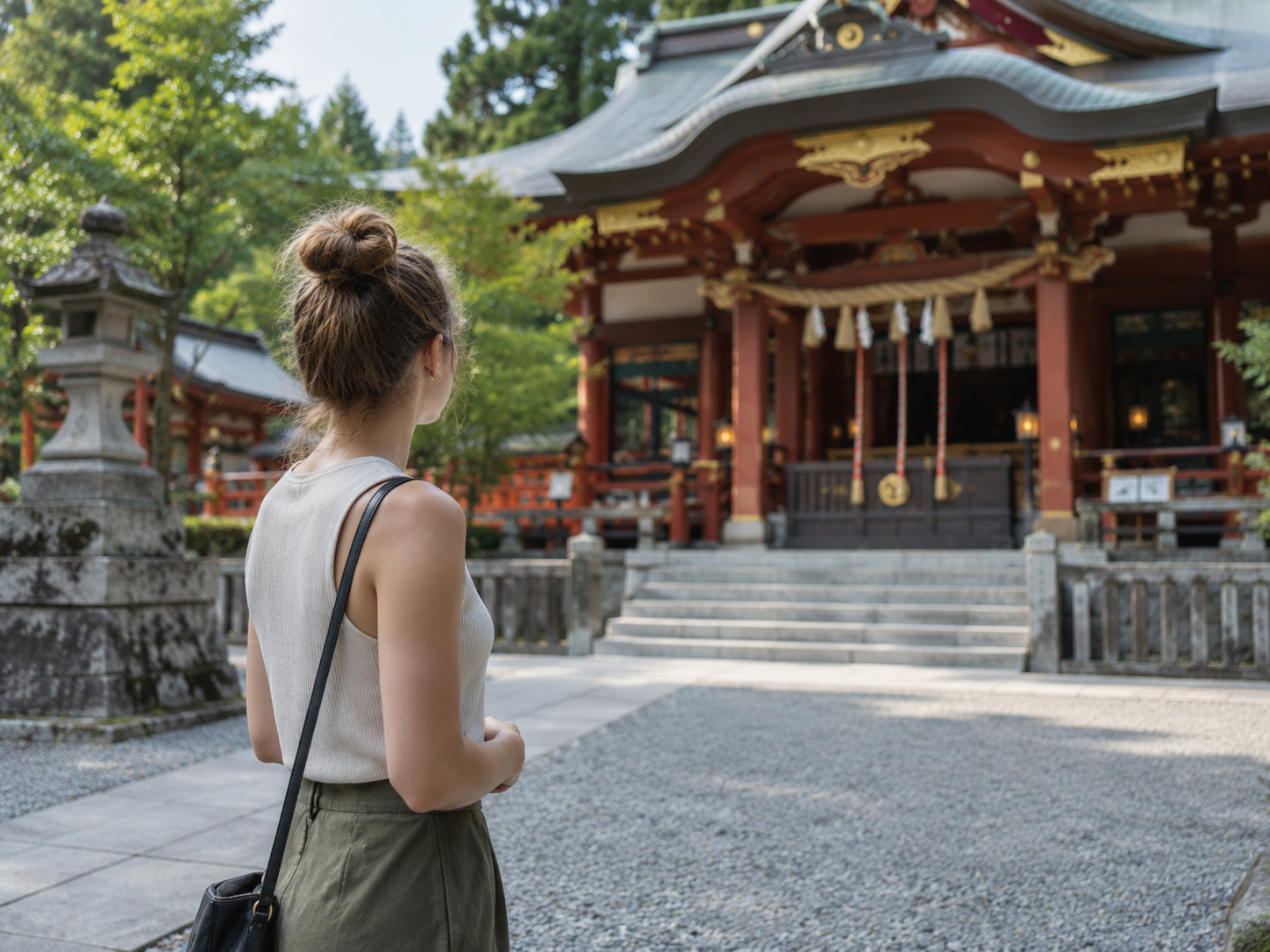
What to Wear to a Shinto Shrine in Japan: Dress Code Explained
Wondering what to wear to a Shinto shrine in Japan? Learn whether shorts, sandals, bare shoulders, and hats are okay, plus rules for formal prayer.
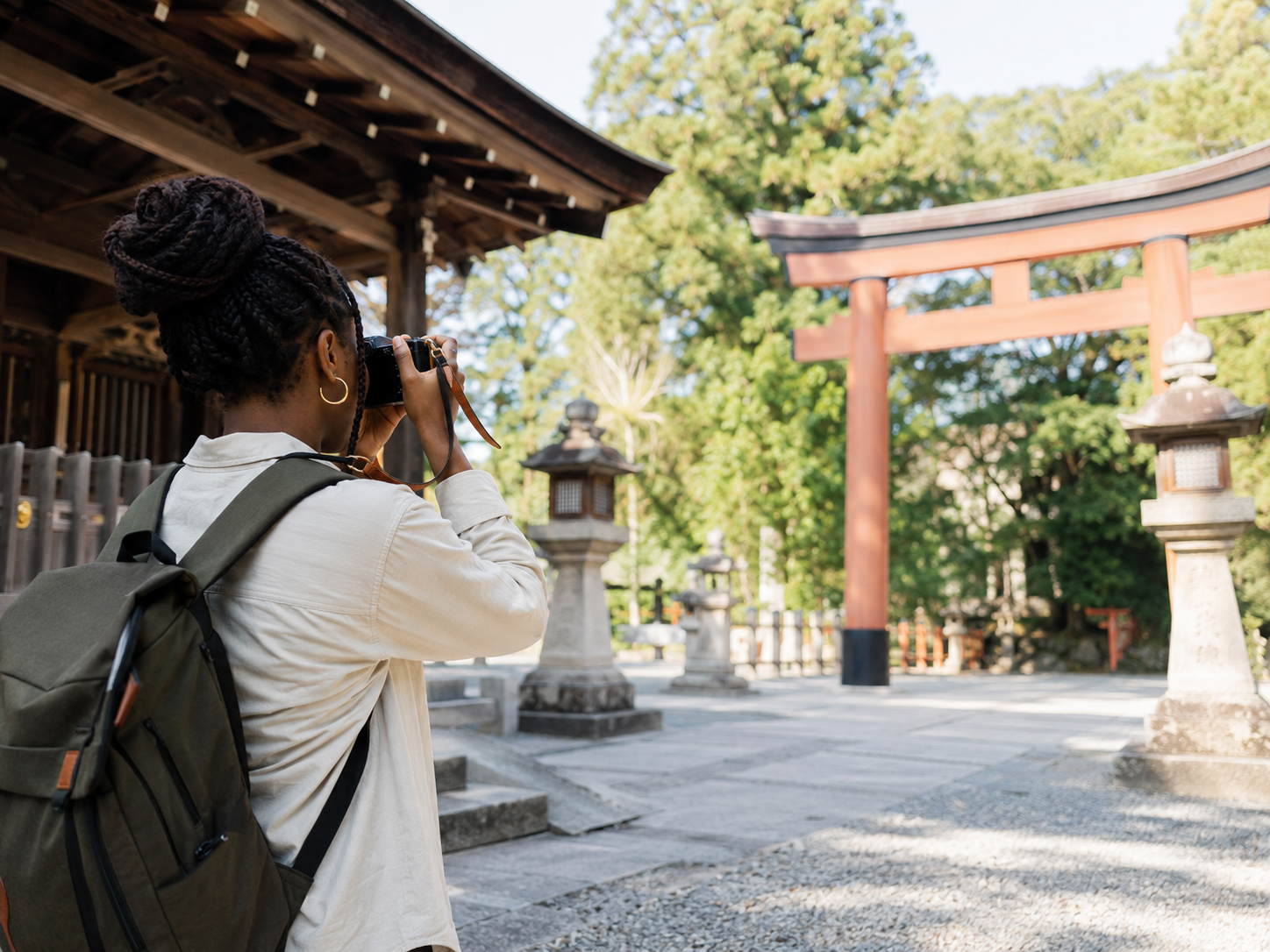
Can You Take Photos at a Shinto Shrine? Photography Etiquette in Japan
Can You Take Photos at a Shinto Shrine? Photography Etiquette in Japan If you are visiting a Shinto shrine in […]
What Awaits You
at a Shrine in Japan
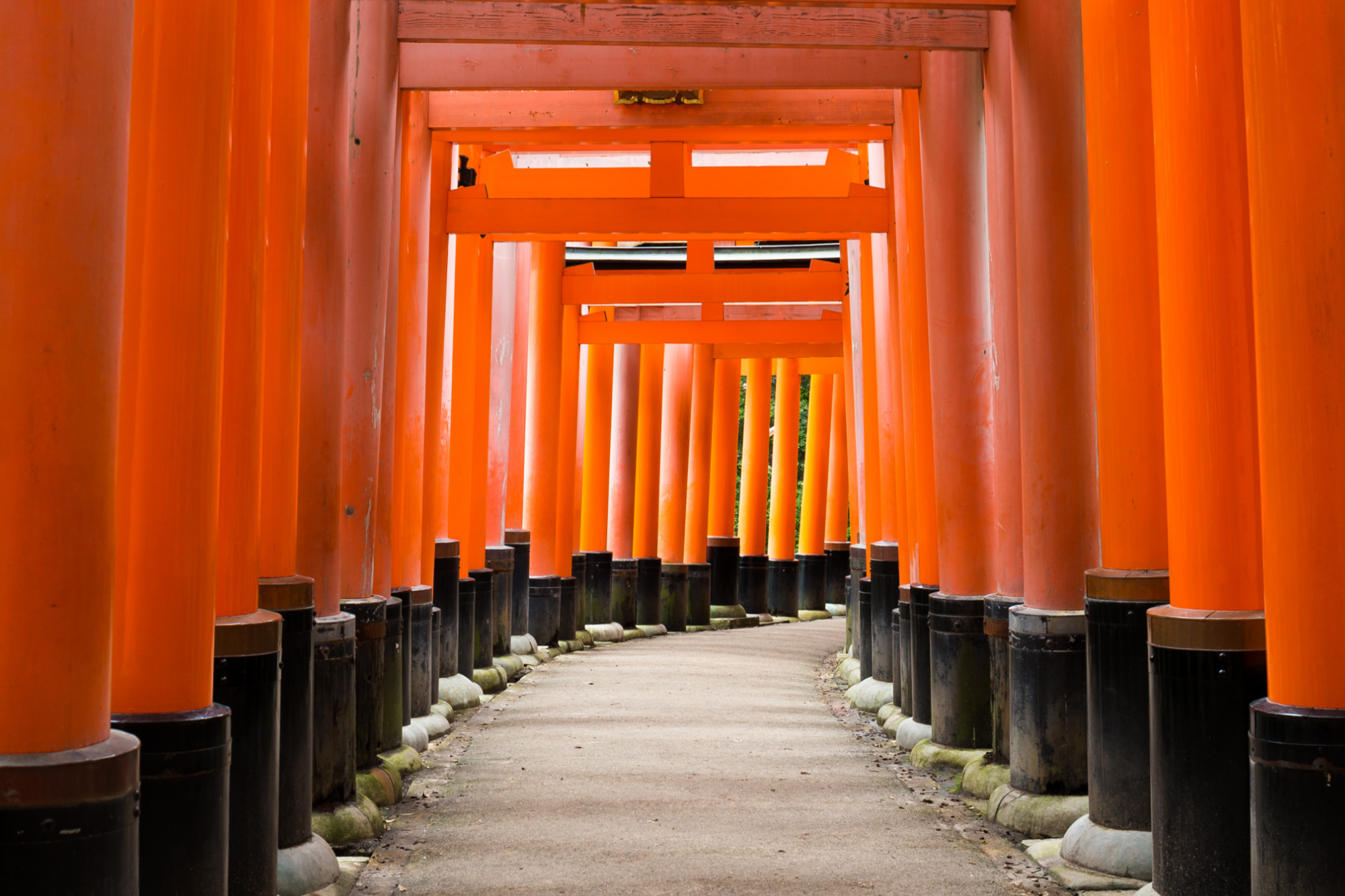
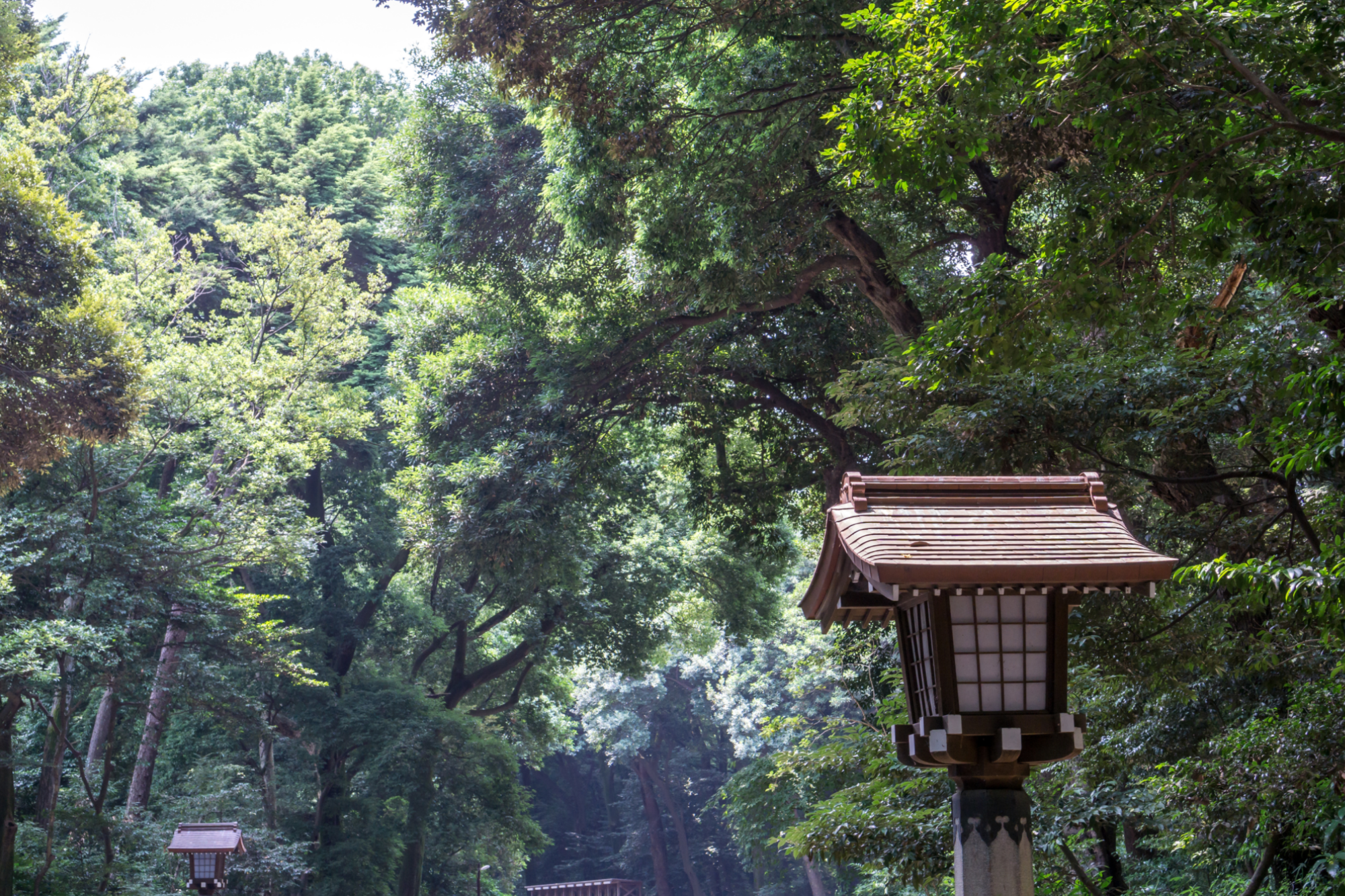
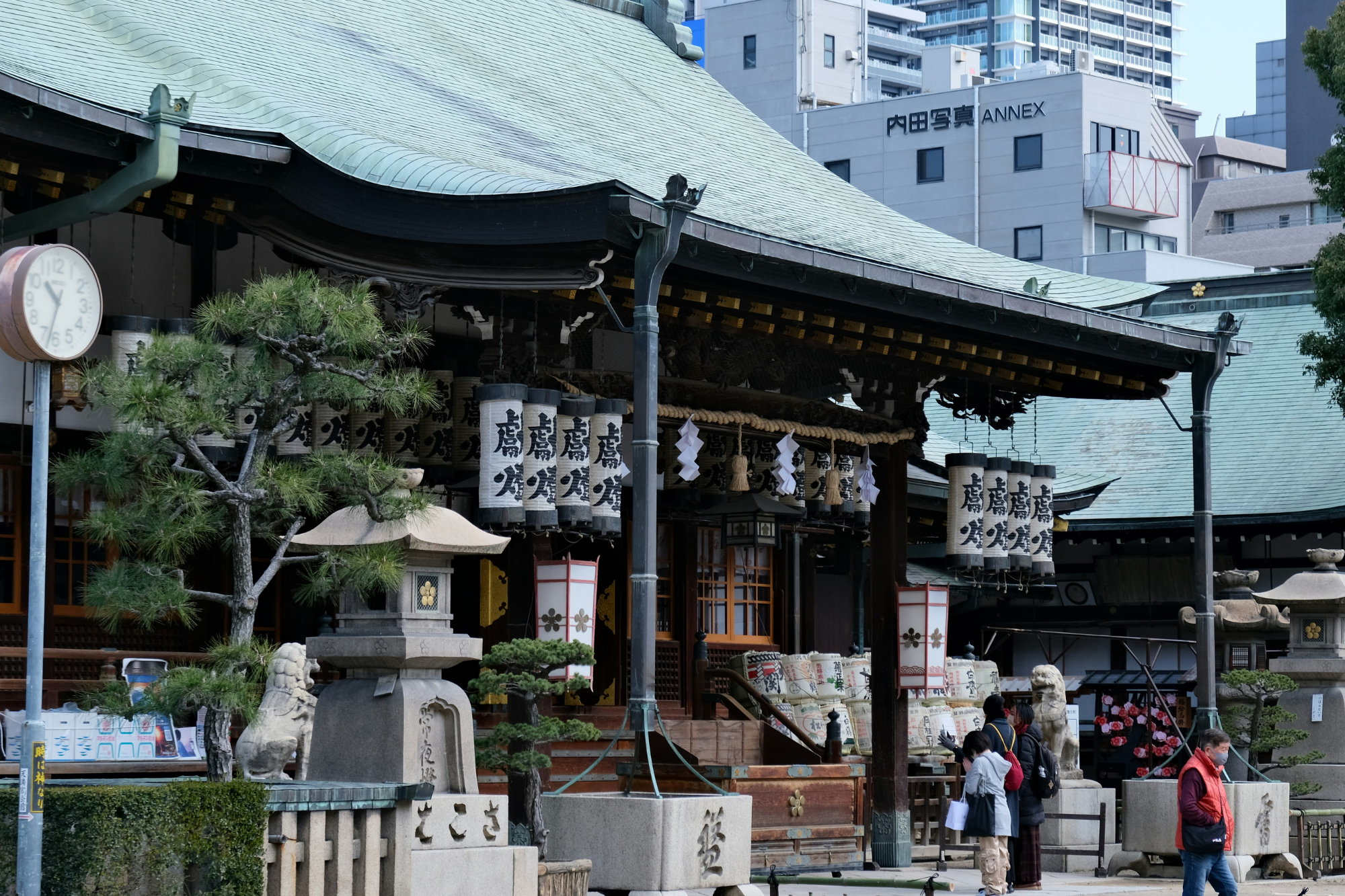
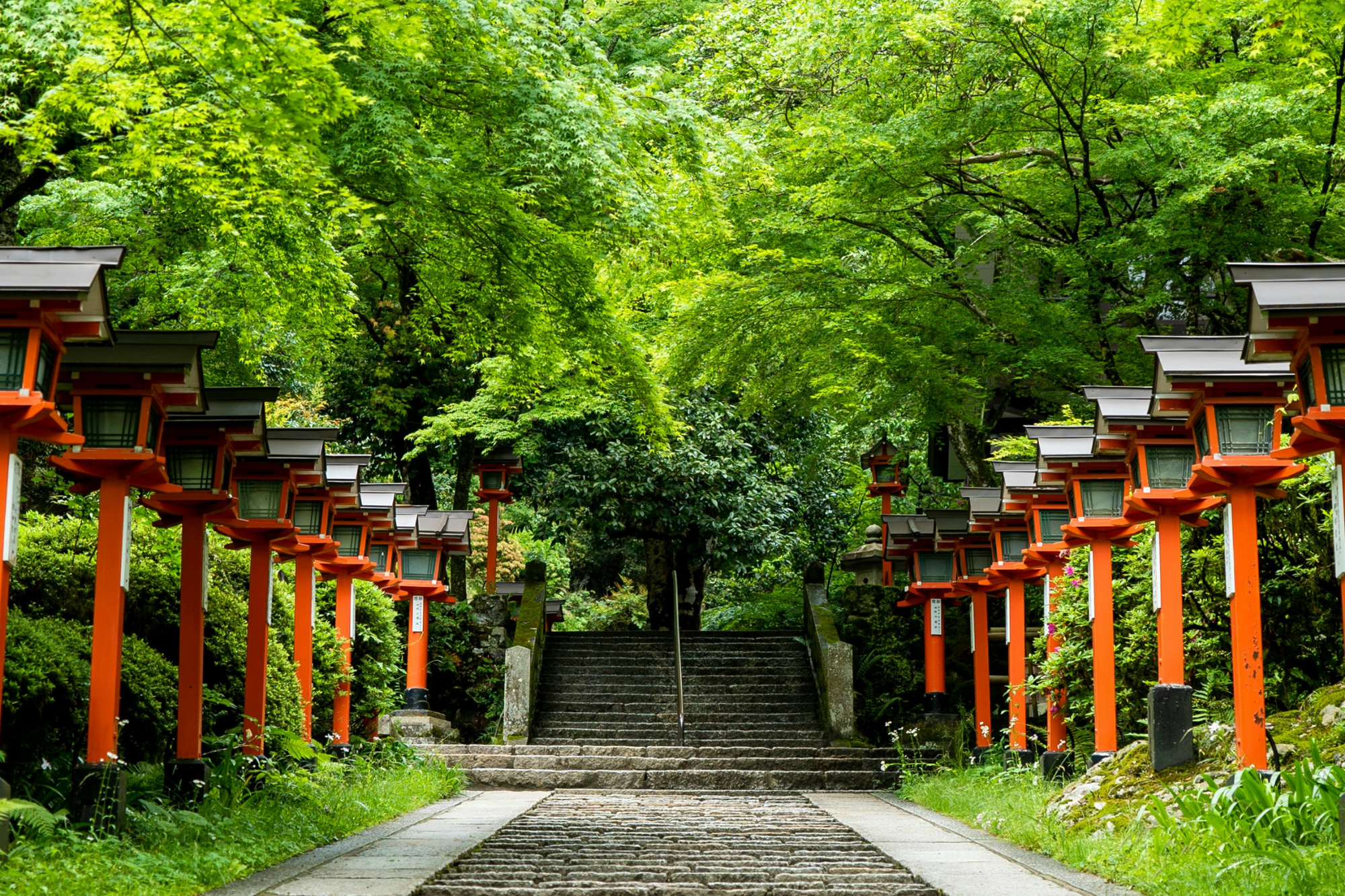
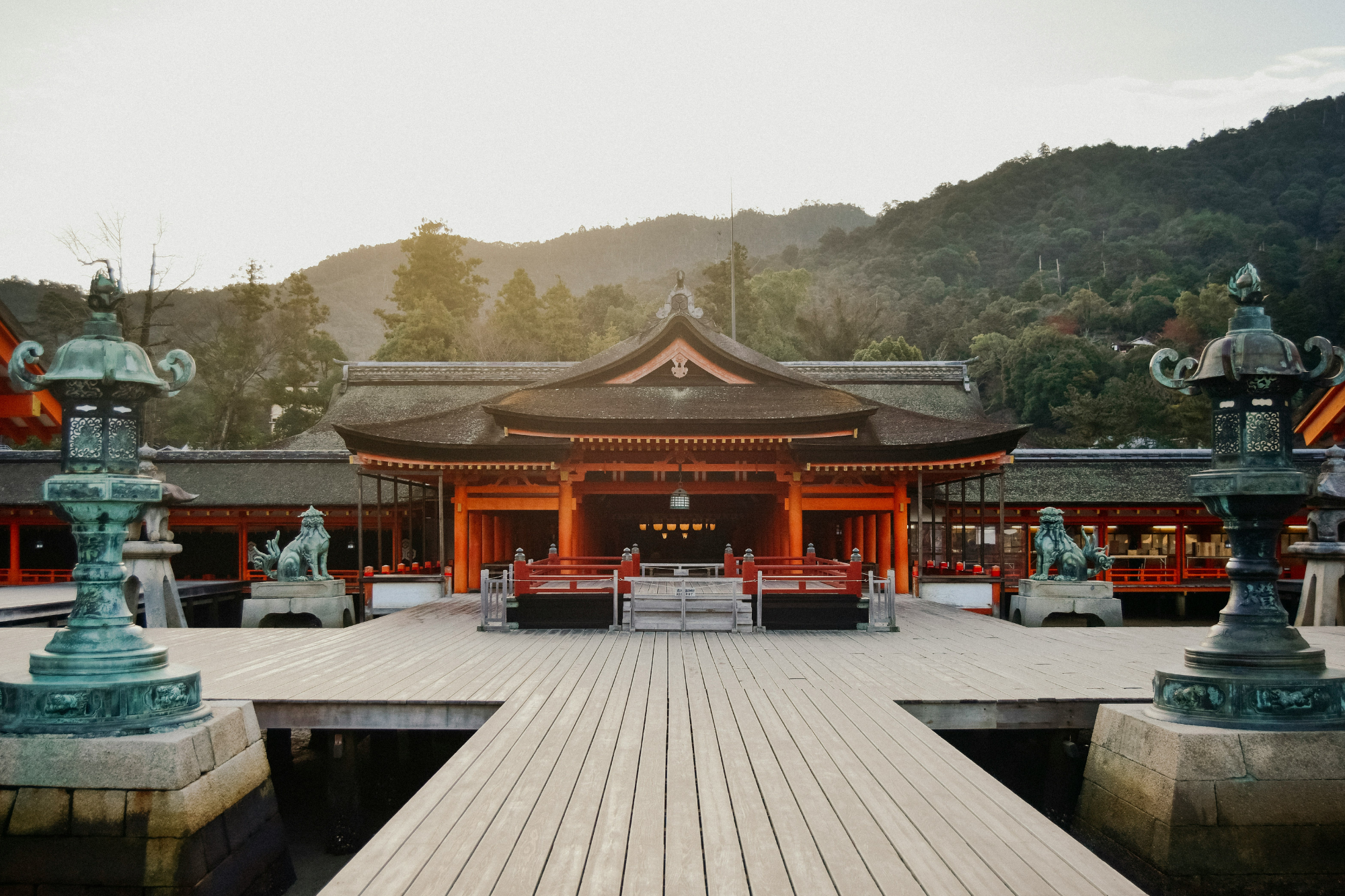
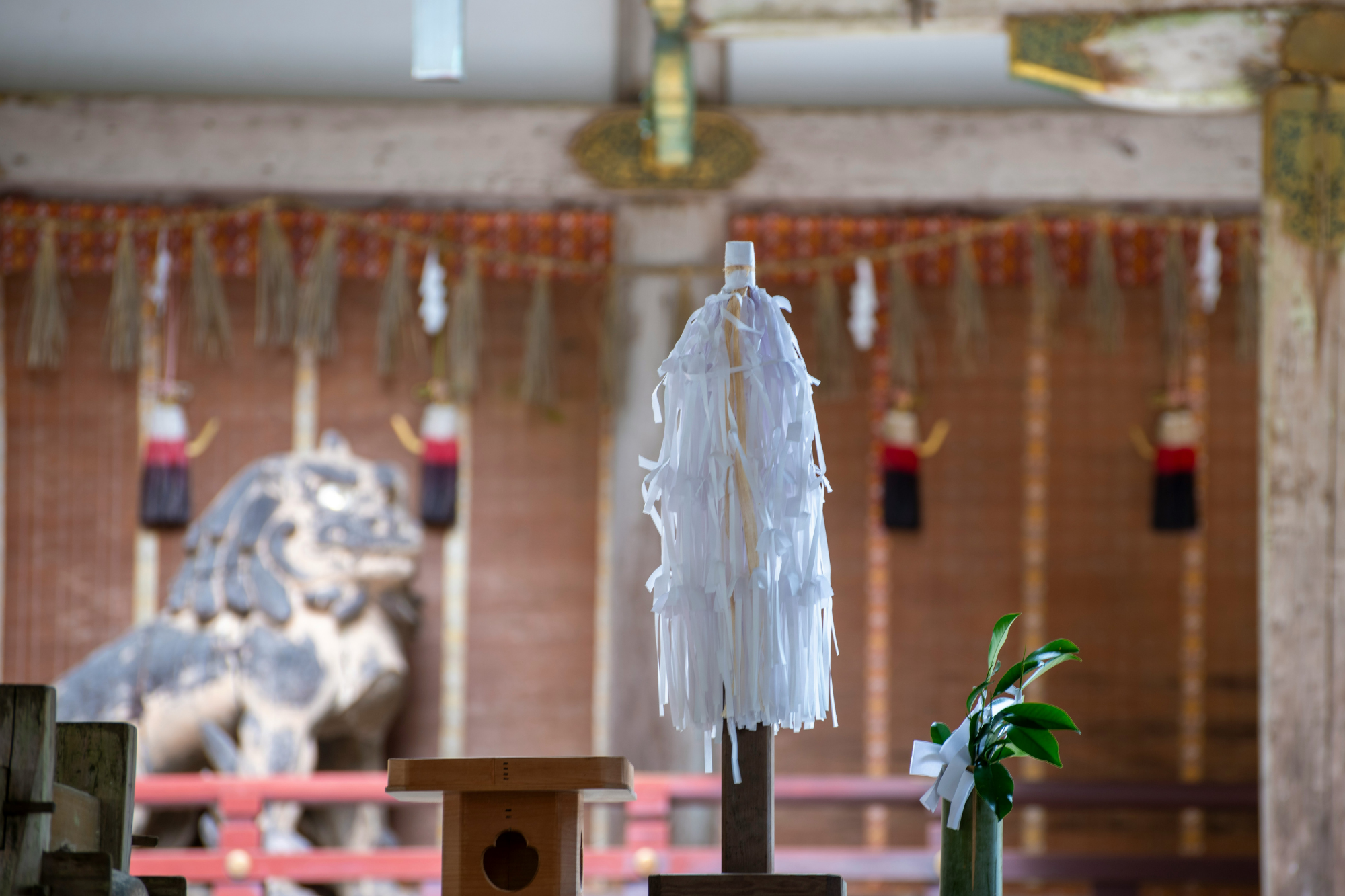
At a shrine in Japan, you may encounter more than architecture or ritual.
You may encounter silence, continuity, and a way of seeing the world.
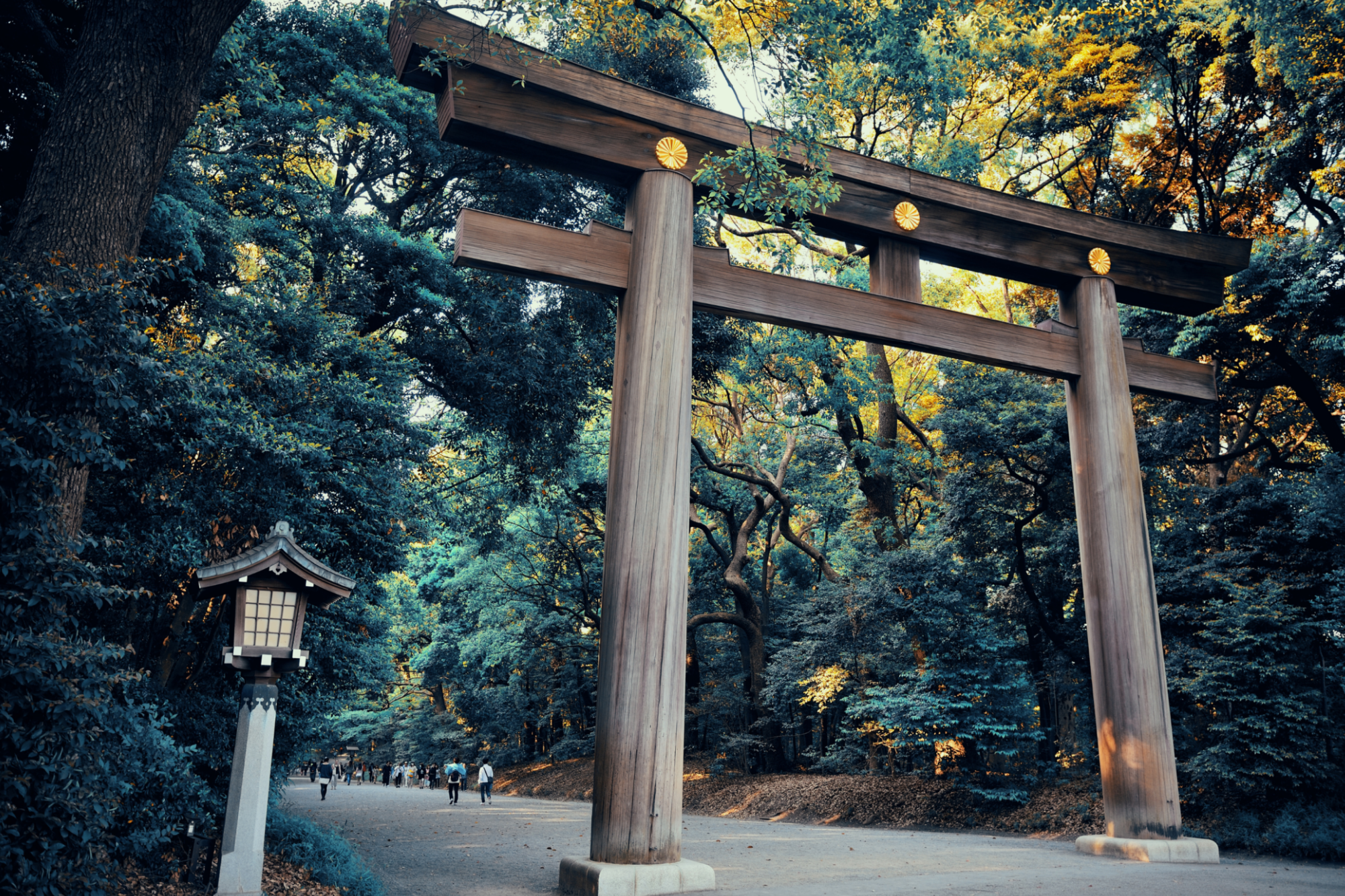
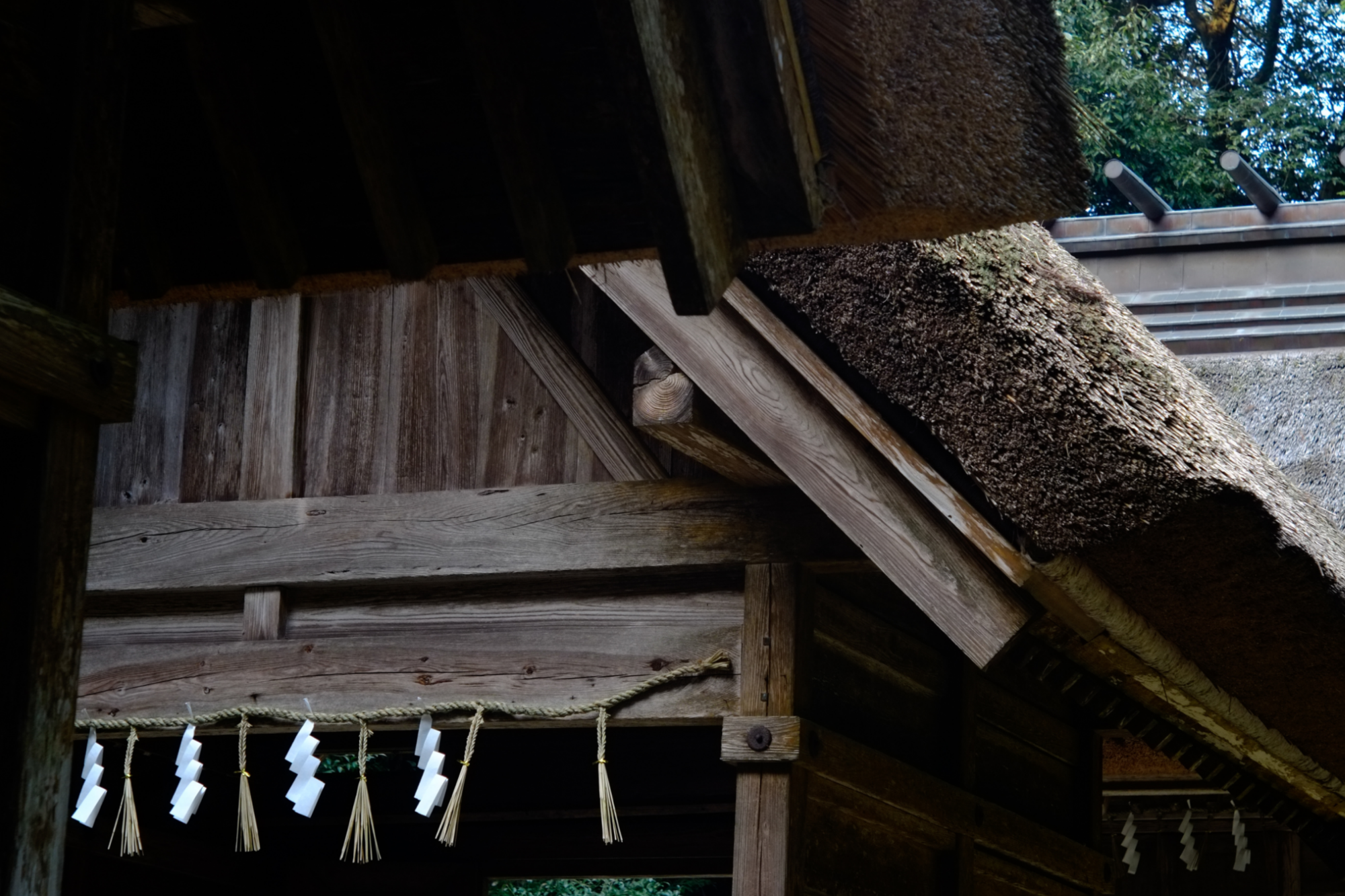
Check Our Instagram
Get in touch
If you have any questions, feel free to reach out.