
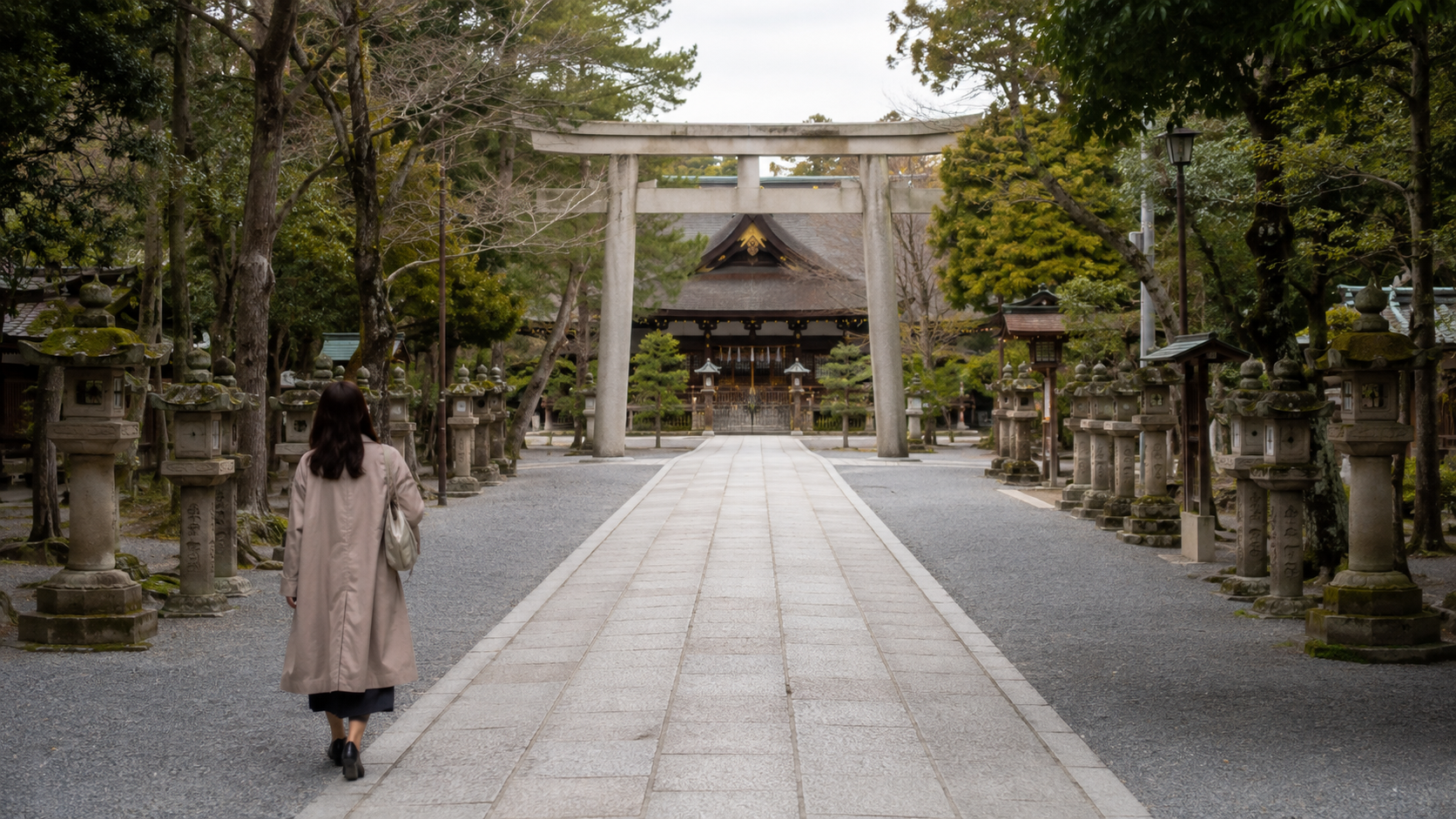
Why Shouldn’t You Walk in the Center of a Shrine Path?
When visiting a Shinto shrine in Japan, you may notice something curious.
Some people walk along the left or right side of the path instead of directly down the middle.
Is the center off-limits?
And if you accidentally walk there, have you done something disrespectful?
The short answer is simple:
The center of a shrine approach is traditionally treated with special respect, so visitors often avoid walking directly down the middle.
But it is not quite as strict—or as frightening—as some shrine etiquette guides make it sound.
Here is what the custom actually means.
Why Do People Avoid the Center of the Shrine Path?
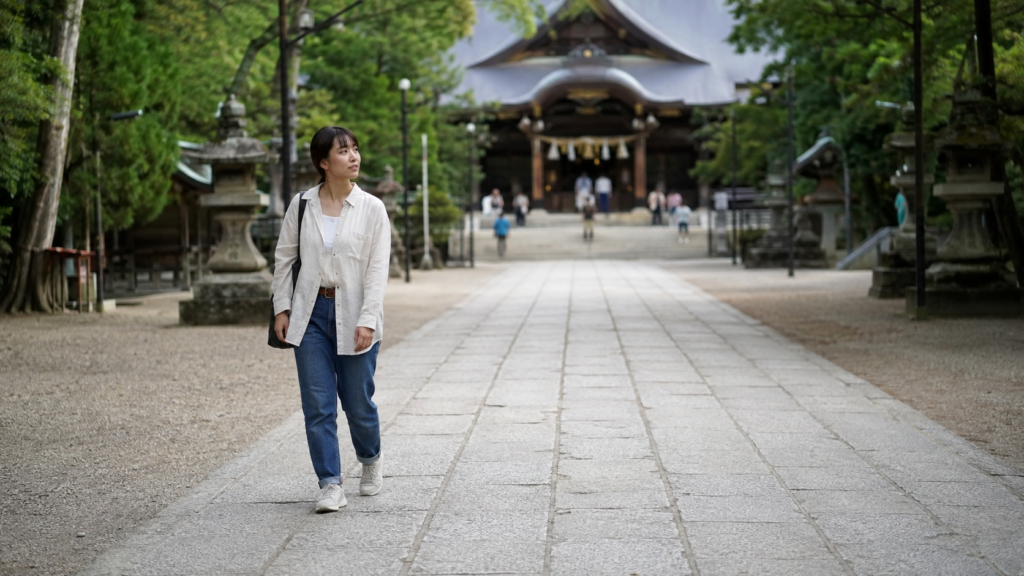
The path leading through a shrine toward the main buildings is called a sando (参道).
Traditionally, the center of this path is treated as a particularly respectful space associated with the kami.
You may hear the center described as seichu (正中), often explained simply as “the path of the kami.”
That is why many visitors choose to walk slightly to one side rather than directly through the middle.
Japan’s Association of Shinto Shrines explains that avoiding the center is a way of showing respect, modeled on etiquette used by Shinto priests during rituals.
So the idea is not really:
“Humans are forbidden from stepping here.”
It is closer to:
“This is a sacred space, so I will avoid taking the most honored position for myself.”
That difference matters.
Is the Center Really “the Path of the Kami”?
This is where things become a little more interesting.
Many shrine guides—including official tourism information—describe the center of the approach as being reserved for the kami.
But there is some nuance behind the word seichu.
The Tokyo Association of Shinto Shrines has explained that, in a stricter traditional sense, seichu refers to the position directly in front of the deity within a shrine building or ritual space, rather than literally meaning that every center line of every shrine path is a road exclusively used by the kami.
For an ordinary visitor, however, you do not need to worry about that technical distinction.
The practical custom is simple:
Walking slightly to one side is a small gesture of respect.
So Is It Actually Forbidden to Walk in the Middle?
No.
This is probably the most important part.
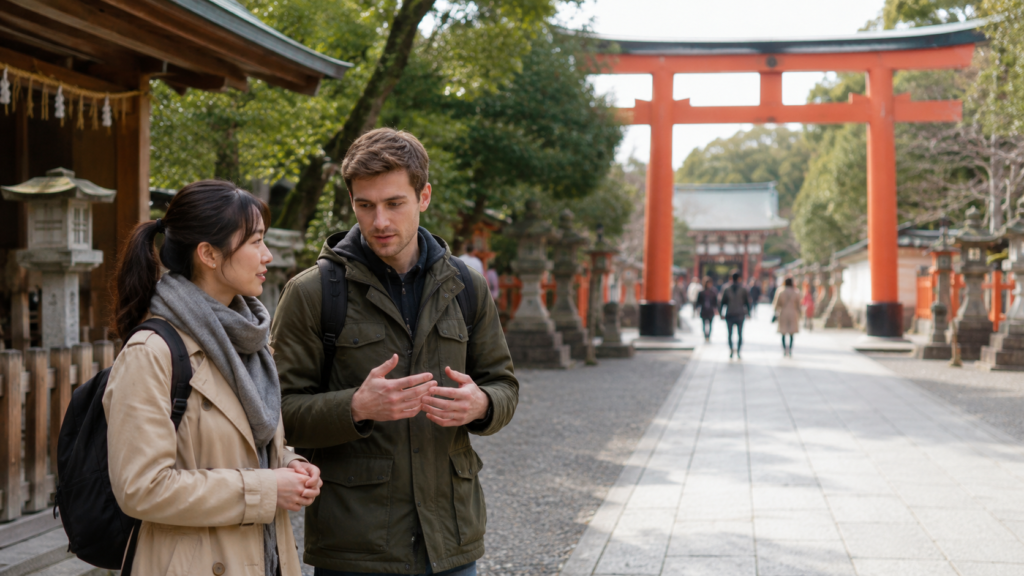
The Association of Shinto Shrines specifically states that there is no strict rule governing how visitors must walk along the shrine approach. Avoiding the center is presented as a way of expressing respect, not as an absolute prohibition.
That means shrine etiquette should not turn your visit into an obstacle course.
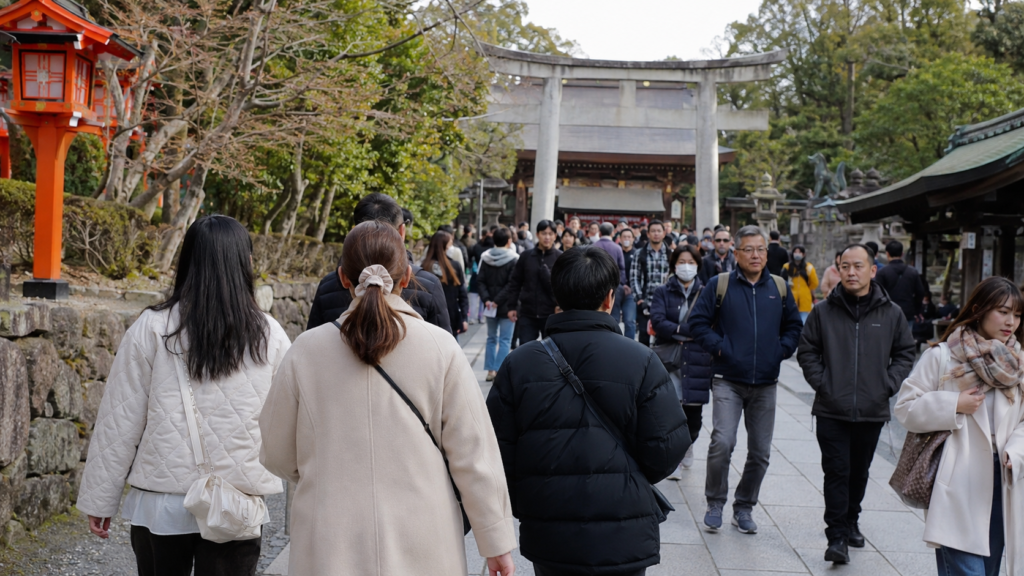
If the path is crowded, narrow, or arranged in a way that makes staying to one side difficult, use common sense.
And always follow any instructions posted by the individual shrine.
Respect matters more than trying to execute every movement perfectly.
What If You Accidentally Walk Down the Center?
Nothing terrible happens.
You do not need to turn around.
You do not need to restart your shrine visit.
And you certainly do not need to panic.
If you realize that you are walking down the middle, simply move slightly to one side when it is convenient.
That is enough.
Shrine etiquette is about approaching a sacred place respectfully—not about catching visitors making tiny mistakes.
This is especially worth remembering if you are visiting a shrine in Japan for the first time.
You are not expected to arrive knowing every custom.
If you are worried about whether it is appropriate to visit at all, you may also want to read:
Is It Disrespectful to Visit a Shrine If You’re Not Shinto?
What If You Need to Cross the Center of the Path?
Sometimes you have to.
Perhaps the temizuya is on the opposite side.
Perhaps you are leaving the shrine grounds.
Or perhaps the layout simply requires you to cross the approach.
That is completely normal.
The Association of Shinto Shrines suggests that someone wishing to show extra respect may give a slight bow while crossing the center, or briefly face the shrine and bow before crossing.
Again, this is an expression of respect—not something you need to perform nervously every time you cross an invisible line.
Should You Walk on the Left or the Right?
For most shrines, the important idea is avoiding the exact center, rather than memorizing a universal “left side” or “right side” rule.
Individual shrines may have their own customs or traffic patterns.
Ise Jingu is a good example: official visitor guidance distinguishes between keeping to the left at the Outer Shrine and the right at the Inner Shrine.
So if signs, barriers, shrine staff, or the flow of visitors indicate where to walk, follow them.
Otherwise, simply walking slightly to either side is fine.
Does the Same Idea Apply When Passing Through a Torii?
You will often see the same custom at the torii gate.
Rather than walking directly through the exact center, visitors may pass slightly to one side.
A small bow before entering is also a traditional gesture of respect, although not every visitor performs it. JNTO describes both avoiding the exact center and bowing before entering as customary shrine etiquette.
If you are curious about what the gate itself means, see:
The torii marks the transition into the shrine’s sacred precinct, which helps explain why visitors often become a little more mindful of how they enter and move through the grounds.
Don’t Let Shrine Etiquette Make You Nervous
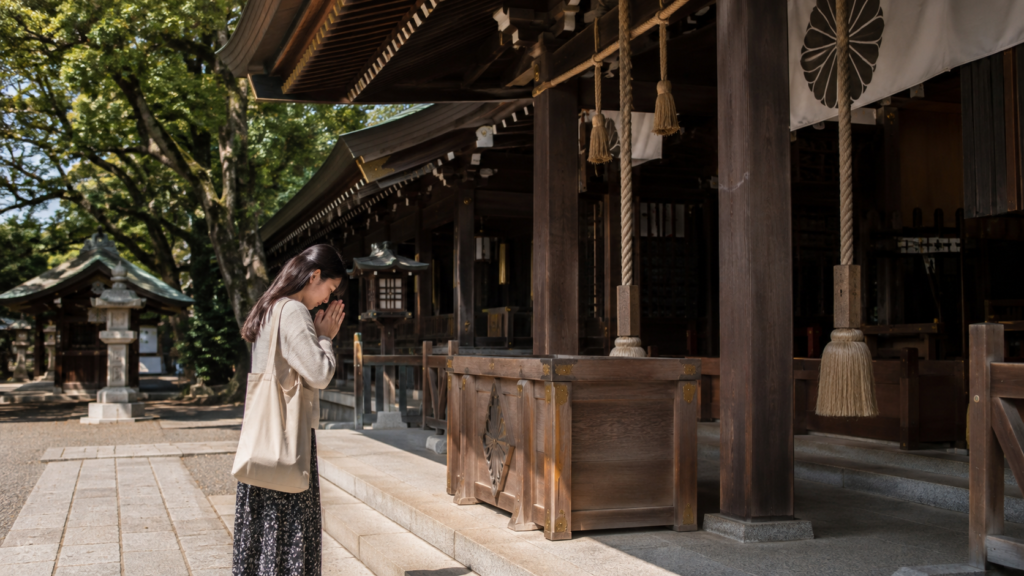
There are many small customs associated with visiting a Japanese shrine.
- Bow at the torii.
- Walk slightly to the side.
- Purify yourself at the temizuya.
- Bow and clap when you pray.
Written as a list, shrine etiquette can start to look surprisingly intimidating.
But that misses the point.
These actions are ways of expressing respect.
They are not a test.
If you forget one, perform something in the wrong order, or accidentally walk through the center of the path, you have not ruined your visit.
Pay attention to the space around you, avoid disturbing other visitors, and approach the shrine respectfully.
That matters far more than perfection.
For the complete prayer process, see:
How to Pray at a Japanese Shrine
And if you are wondering about the purification fountain you see near the entrance:
Visiting Shrines in Japan for the First Time?
Shrine etiquette can feel simple when you read about it at home—but much harder when you are actually standing at the shrine, wondering what to do next.
- How should you pass through a torii gate?
- How do you use the temizuya?
- What is the proper way to pray?
- When is it okay to take photos?
- And what should you know about goshuin, omamori, and common mistakes visitors sometimes make?
I created a Japanese Shrine Etiquette Guide for first-time visitors to make these customs easier to understand before and during your trip.
It includes simple visual explanations of torii gate manners, temizu, prayer steps, photography etiquette, goshuin, omamori, and common mistakes to avoid.
You can keep it on your phone while traveling in Japan, so you do not have to remember everything at once.
Before You Visit a Shrine
Want a simple shrine etiquette guide to keep with you?
Jin-journey’s English shrine etiquette PDF explains the basic manners, prayer steps, temizu, omamori, goshuin, and common mistakes in a calm, beginner-friendly way.
View the Guide on EtsyFrequently Asked Questions
Is it disrespectful to walk in the center of a Japanese shrine path?
It is traditionally considered more respectful to walk slightly to either side of the shrine approach. However, Japan’s Association of Shinto Shrines says there is no strict rule requiring visitors to avoid the center.
What is the center of a shrine path called?
It is commonly referred to as seichu (正中). The term is often associated with the central position reserved for or oriented toward the kami, although its precise ritual meaning is more nuanced than simply “the road the gods walk on.”
What happens if I accidentally walk in the middle?
You do not need to do anything special. Simply move to one side when convenient and continue your visit respectfully.
Should I walk on the left or right at a Shinto shrine?
There is no single left-or-right rule that applies identically to every shrine. Follow signs and local instructions where provided; otherwise, avoiding the exact center is a common respectful practice. Ise Jingu, for example, has different side conventions for its Outer and Inner Shrines.
Can I cross the center of a shrine path?
Yes. When crossing, some people make a slight bow as a gesture of respect. The Association of Shinto Shrines explicitly describes this as one possible practice.
Final Thoughts
Avoiding the center of a shrine path is one of those small customs that can seem much stricter than it really is.
Traditionally, visitors walk slightly to one side as a gesture of respect toward the kami. But it is not an absolute rule, and accidentally stepping into the center does not make your visit disrespectful.
You do not need to worry about performing every part of shrine etiquette perfectly.
Notice how people around you move, follow any signs or instructions at the shrine, and approach the space with consideration.
That is usually more important than memorizing a long list of rules.
The next time you walk through a torii gate, simply move a little to the side—and enjoy the experience without overthinking every step.
Continue Your Journey
Walking along the shrine path is only one small part of visiting a Japanese shrine.
If you’d like to understand what you’ll see and how to visit respectfully, these guides are a good place to continue your journey.
- What Is a Shinto Shrine?
- What Is Shinto?
- Who Are the Kami?
- Shrine vs Temple in Japan
- What Is a Torii Gate?
- What Is a Temizuya?
- How to Pray at a Japanese Shrine
- What Is an Omikuji?
- What Is an Omamori?
- What Is a Goshuin?
Planning a Shrine Visit?
Take the shrine etiquette guide with you.
A simple English PDF guide for first-time visitors who want to understand shrine manners before arriving in Japan.
View the Guide on Etsy