
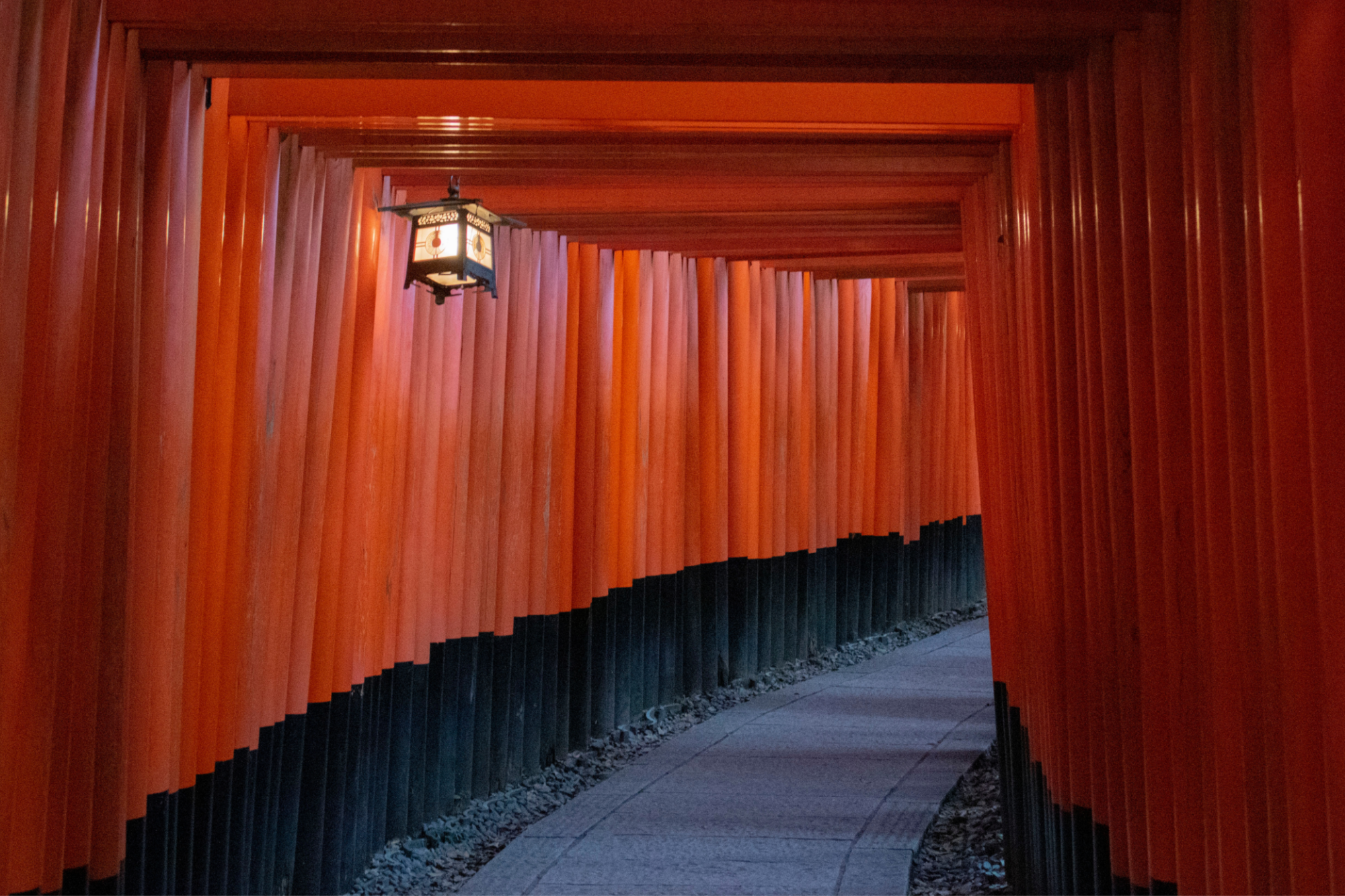
Is It Disrespectful to Visit a Shrine If You’re Not Shinto?
If you’re planning to visit Japan, you’ll likely come across beautiful Shinto shrines. These peaceful places are filled with history, nature, and spiritual meaning.
But many travelers wonder:
“Is it disrespectful to visit a shrine if I’m not Shinto?”
The answer is no. It is not disrespectful at all.
In Japan, shrines are generally open to everyone, regardless of religion or background. What matters most is not what you believe, but how you behave.
If you’re new to these sacred spaces, read What Is a Shinto Shrine? to understand what shrines are and why they matter in Japan.
Not sure whether you’re visiting a shrine or a temple? Our guide to Shrine vs Temple in Japan explains the difference in a simple way.
Shrines Are Open to Everyone
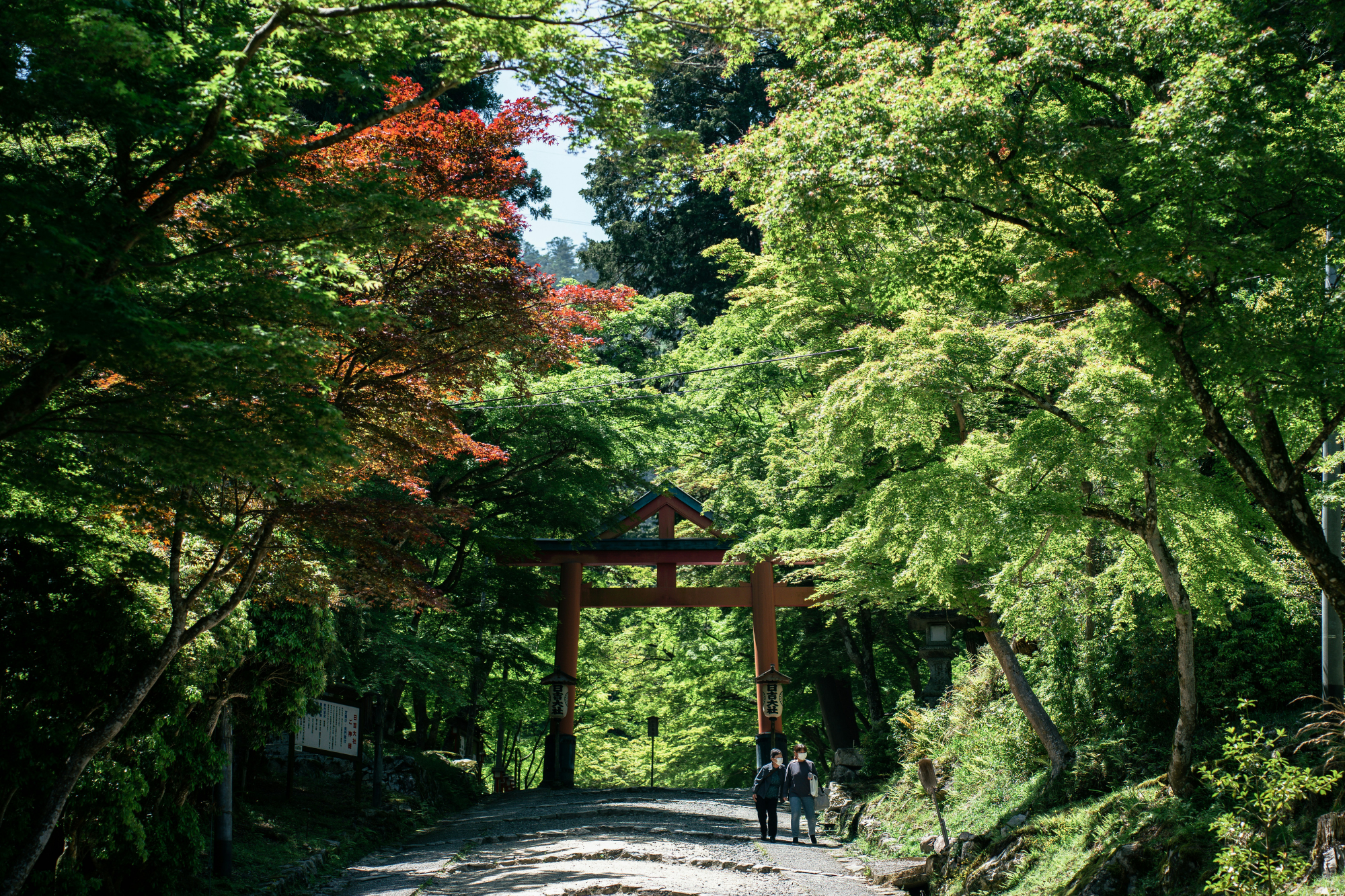
One of the distinctive aspects of Japanese spirituality is its openness.
Shinto shrines are not exclusive religious spaces where only believers may enter. You do not need to be Shinto, or even religious, to visit.
People in Japan visit shrines for many different reasons:
- To pray for good luck or success
- To celebrate life events
- To enjoy festivals
- Or simply to spend a quiet moment in a peaceful place
Visitors from other countries are also welcome, as long as they approach the space with respect and awareness.
To understand the tradition behind shrine visits, read our beginner-friendly guide to What Is Shinto?
What Matters Most: Respectful Behavior
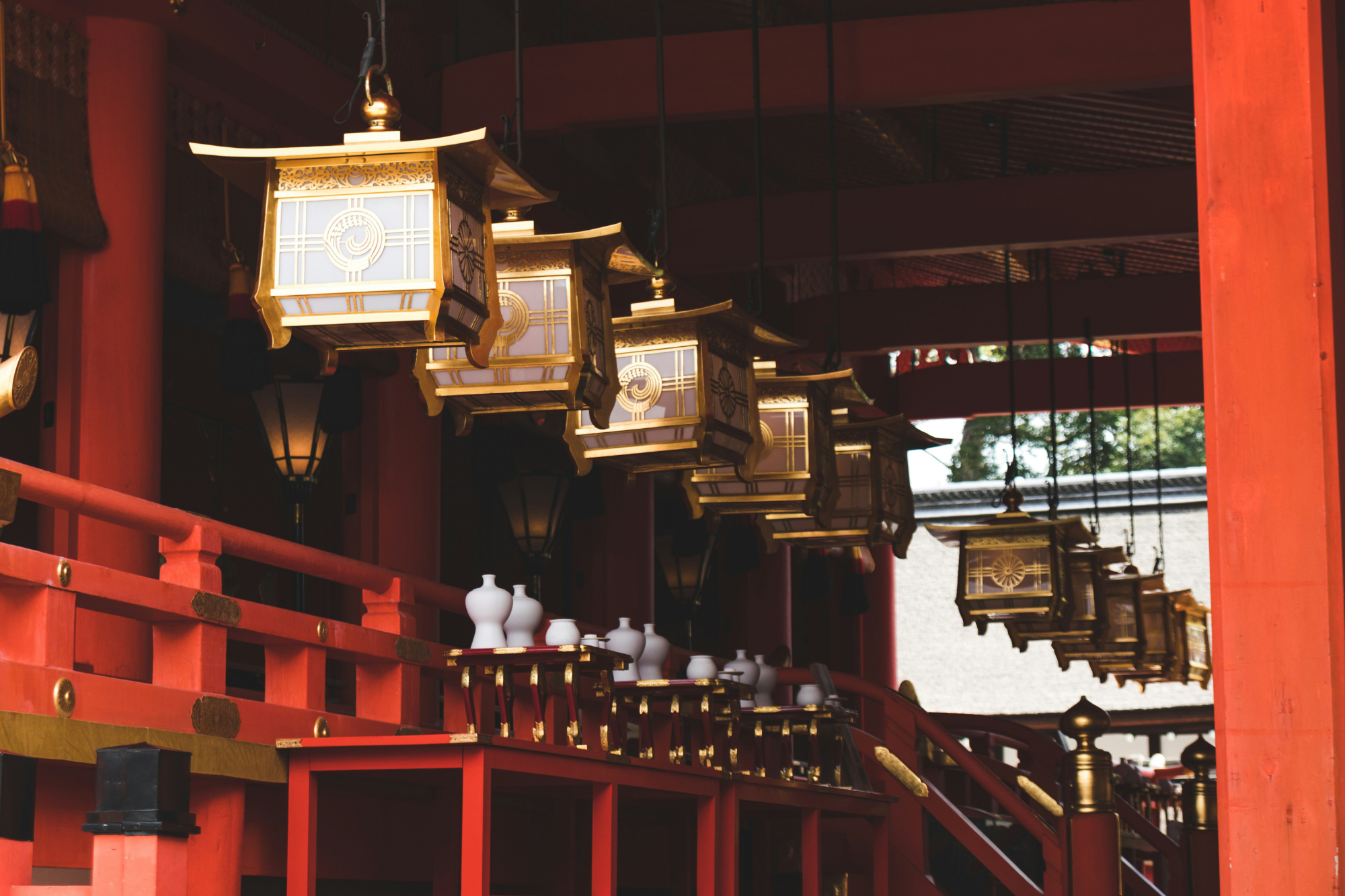
You do not need to follow every ritual perfectly.
But understanding basic etiquette shows respect for the culture and for the people around you.
Here are a few simple things to keep in mind:
- Walk to the side of the path, since the center is traditionally considered sacred
- Bow lightly before passing through the torii gate
- Purify your hands and mouth at the temizuya or chozuya
- Stay quiet and avoid disruptive behavior
- Be mindful when taking photos
Even small gestures can show that you recognize the shrine as a sacred space, not just a tourist attraction.
A torii gate marks the entrance into sacred space. Learn more in What Is a Torii Gate?
The temizuya, also called chozuya, is the water pavilion where visitors purify their hands and mouth before praying. Learn more in What Is a Temizuya?
You Don’t Have to Pray to Visit
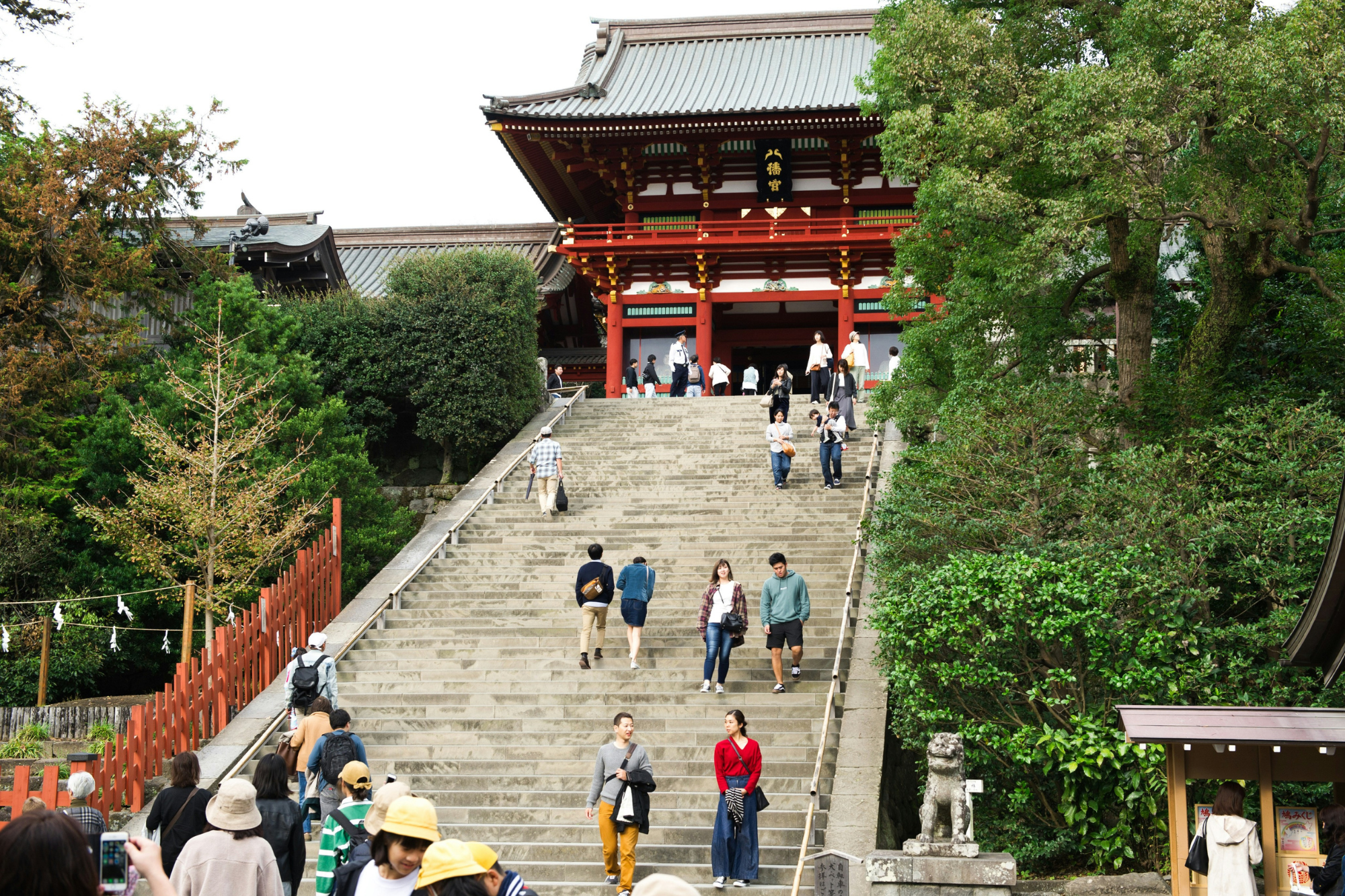
It is completely okay if you are not comfortable praying.
Many visitors simply choose to:
- Walk around the shrine grounds
- Observe rituals from a distance
- Enjoy the atmosphere
If you do want to try, you can follow the traditional method:
- Bow twice
- Clap twice
- Pray quietly
- Bow once more
But participation is optional.
Respect matters more than perfection.
For a full step-by-step explanation, read How to Pray at a Japanese Shrine.
A Cultural Experience, Not a Religious Obligation
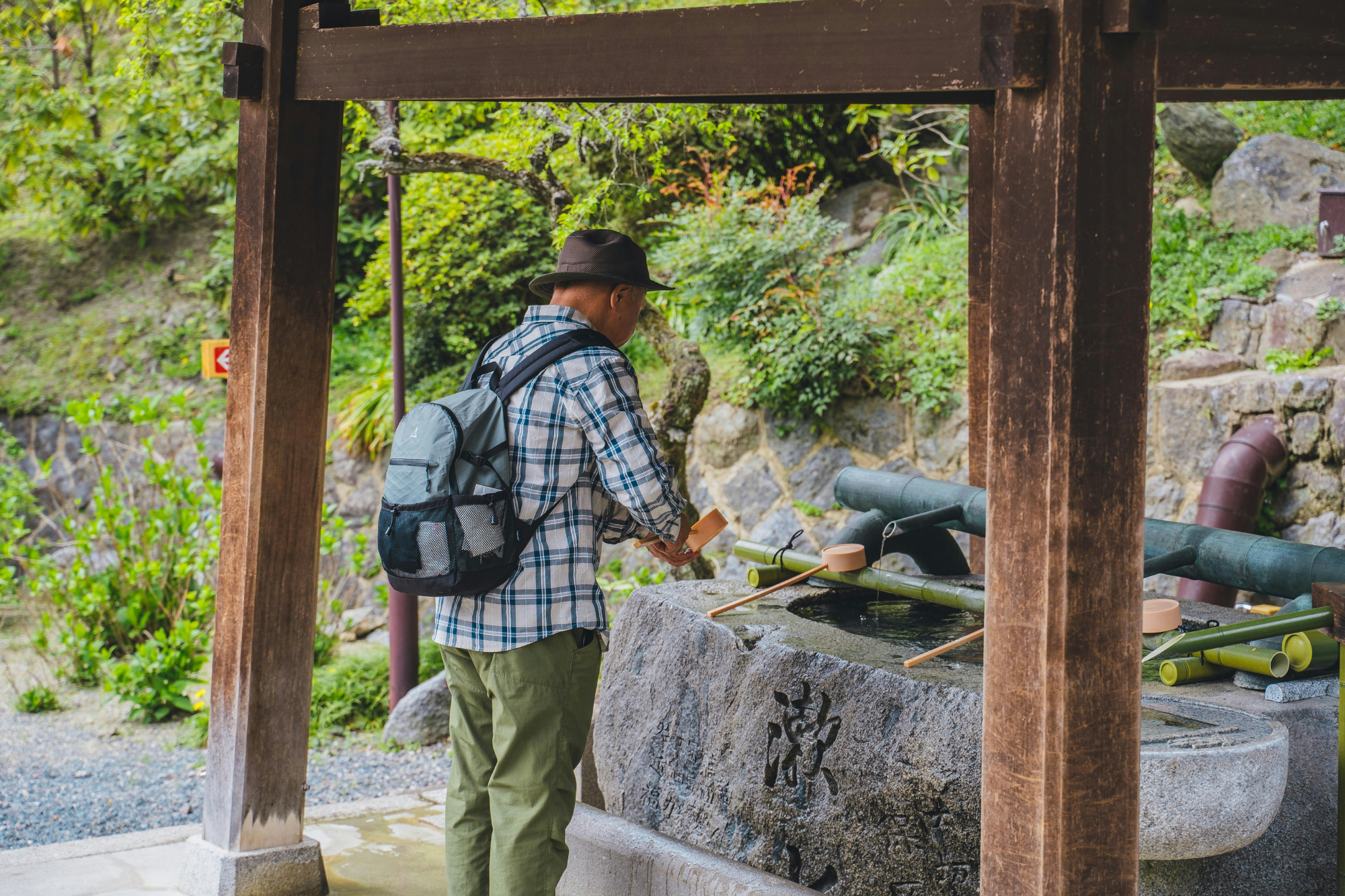
For many Japanese people, visiting a shrine is often less about strict religious belief and more about tradition, culture, and connection.
This means that as a visitor, you are not expected to convert, belong to Shinto, or fully understand every custom.
Instead, your visit can be:
- A moment of cultural appreciation
- A chance to slow down and reflect
- A way to connect with a different worldview
Common Misconceptions
Will I offend someone if I don’t know the rules?
No, not as long as you are respectful.
Most people understand that visitors are learning, and small mistakes are usually forgiven.
Are shrines only for religious people?
No.
Many Japanese people visit shrines casually, especially during New Year, festivals, or important life moments, even if they do not describe themselves as strongly religious.
One of the most common shrine visits in Japan is hatsumode, the first shrine visit of the New Year.
Do I have to participate in rituals?
No.
Observing quietly is perfectly acceptable. You are not required to pray or perform any rituals if you are not comfortable.
Final Thoughts: You Are Welcome
Visiting a shrine as a non-Shinto person is not only acceptable. It can also be a meaningful way to experience Japanese culture.
You do not need perfect knowledge.
You do not need to share the same beliefs.
What matters is simple:
- Be respectful
- Be aware
- Be open to the experience
In doing so, you are not just visiting a place. You are stepping into a living tradition that has been part of Japan for centuries.
Continue Your Journey
You do not need to be Shinto to visit a shrine. A respectful attitude is enough.
If you’d like to feel more comfortable before your visit, these guides can help you understand the basics.