
What Is a Goshuin? A Simple Guide to Japan’s Sacred Calligraphy Stamps
If you visit shrines and temples in Japan, you may notice people carrying small books filled with elegant calligraphy and vivid red seals.
These are goshuin—a unique way to mark your visit to a sacred place.
At first, they might look like souvenirs.
But in reality, each one is something closer to a record of a moment.
If you’re not sure how shrines and temples differ, read Shrine vs Temple in Japan before starting your goshuin journey.
What Is a Goshuin?
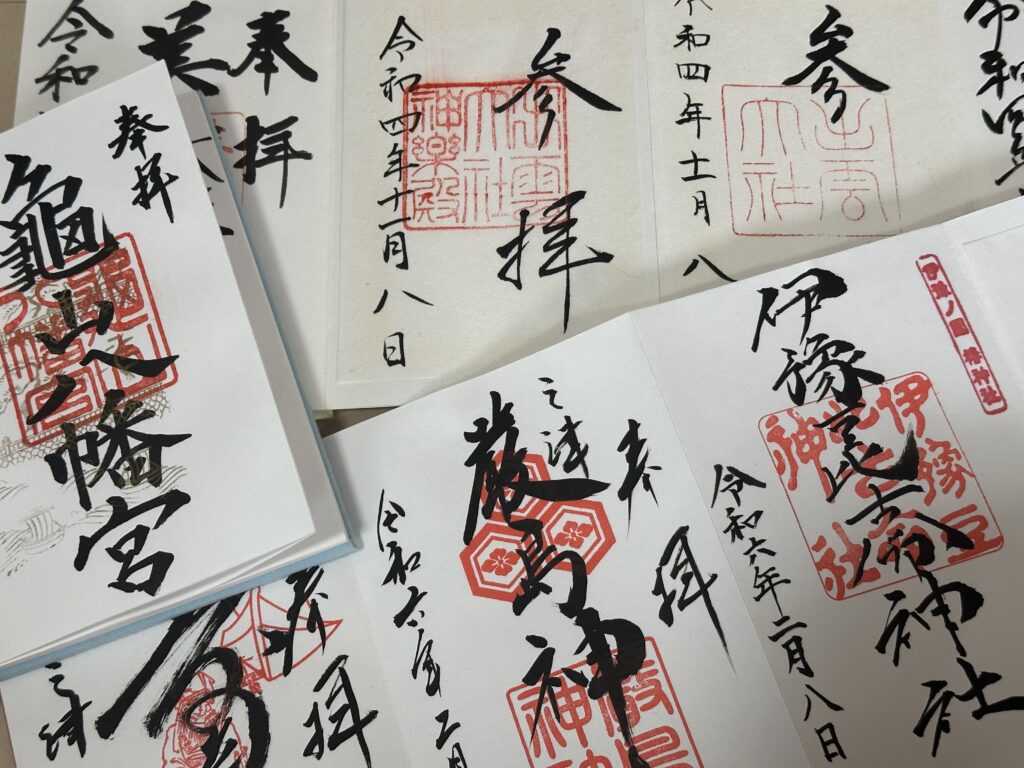
A goshuin is a handwritten seal or stamp given at both shrines and temples in Japan.
Each one typically includes:
- The name of the shrine or temple
- The date of your visit
- A red seal
- Handwritten calligraphy
Rather than something mass-produced, a goshuin is created individually—often right in front of you.
It is not just something you collect.
It is something you receive.
Where Does Goshuin Come From?
A Practice Rooted in Pilgrimage
Goshuin began as part of religious practice.
In the past, visitors would offer prayers or copy sacred texts at temples.
In return, they received written proof of their devotion or visit.
From Devotion to Cultural Experience
Over time, this evolved into a broader custom, now practiced at both Shinto shrines and Buddhist temples.
Today, people collect goshuin for many reasons:
- Spiritual connection
- Appreciation of calligraphy
- A meaningful travel record
- Connection to a specific place
To understand the shrine side of this tradition, read What Is a Shinto Shrine?
Why Goshuin Feel Special
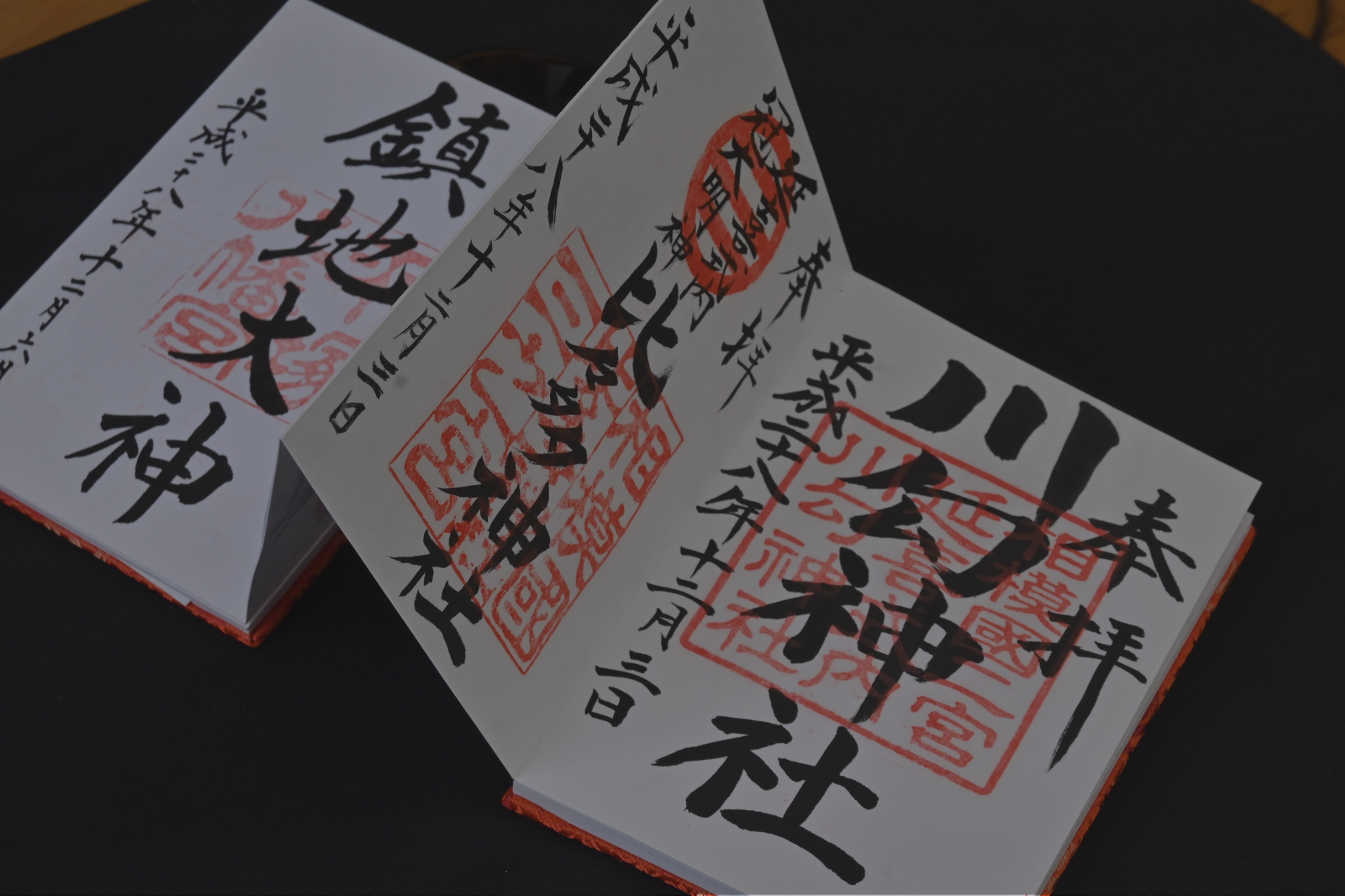
Each One Is Unique
No two goshuin are exactly the same.
The brush strokes, ink balance, and layout depend on the person writing it in that moment.
A Blend of Art and Ritual
Goshuin sit somewhere between:
- Religious practice
- Artistic expression
- Travel memory
Some include:
- Seasonal designs
- Gold or colored ink
- Shrine- or temple-specific symbols
- Limited-edition motifs
How to Get a Goshuin
Getting a goshuin is simple, but it follows a quiet rhythm.
Step 1: Prepare a Goshuincho
A goshuincho is a special accordion-style book made for collecting goshuin.
Regular notebooks are not appropriate.
Step 2: Visit the Office
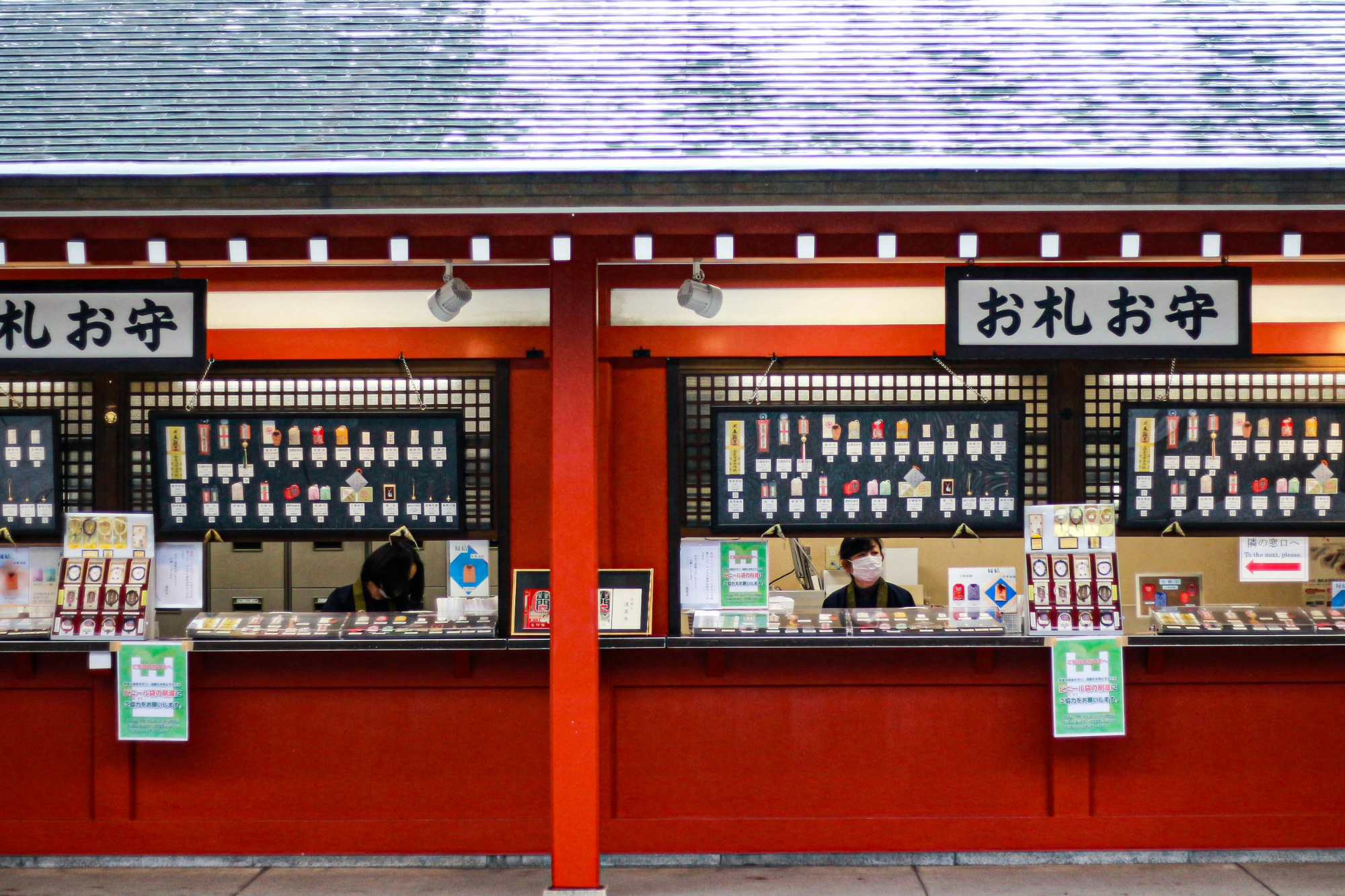
Look for the shrine or temple office.
At shrines, this is often called the shamusho. At temples, it may be called the nokyosho or temple office.
It is usually near the entrance, main hall, or amulet area.
This area is also where visitors often receive omamori, small protective charms offered at shrines and temples.
Step 3: Make a Request
Open your book to a blank page and say:
“Goshuin, please.”
Or in Japanese:
“Goshuin o onegai shimasu.”
You do not need to speak perfect Japanese.
What matters most is your attitude—being calm, respectful, and present in the moment.
It is not just a transaction.
Instead of “asking for a stamp,” think of it as receiving something.
Step 4: Offer a Donation
The fee is usually around ¥300–¥500.
Place the money gently in a tray if one is provided.
Step 5: Wait and Receive
The writing may take a few moments.
When it is done, receive your goshuincho with both hands if possible, and give a small bow.
Shrine vs Temple Goshuin
Both shrines and temples offer goshuin, but there are subtle differences.
Shrine goshuin are connected to Shinto and may include the shrine’s name, bold red seals, and references to the kami honored there.
Temple goshuin are connected to Buddhism and may include Buddhist characters, temple names, or references to specific Buddhist figures or traditions.
You can collect both in one book.
Some people, however, prefer to separate shrine and temple goshuin into different books.
Either approach is fine.
To understand the sacred beings honored at Shinto shrines, read Who Are the Kami?
Goshuin Etiquette
Treat It With Care
A goshuincho is not a regular notebook.
Avoid:
- Writing your own notes inside
- Folding or damaging the pages
- Using it for unrelated stamps
Show Basic Respect
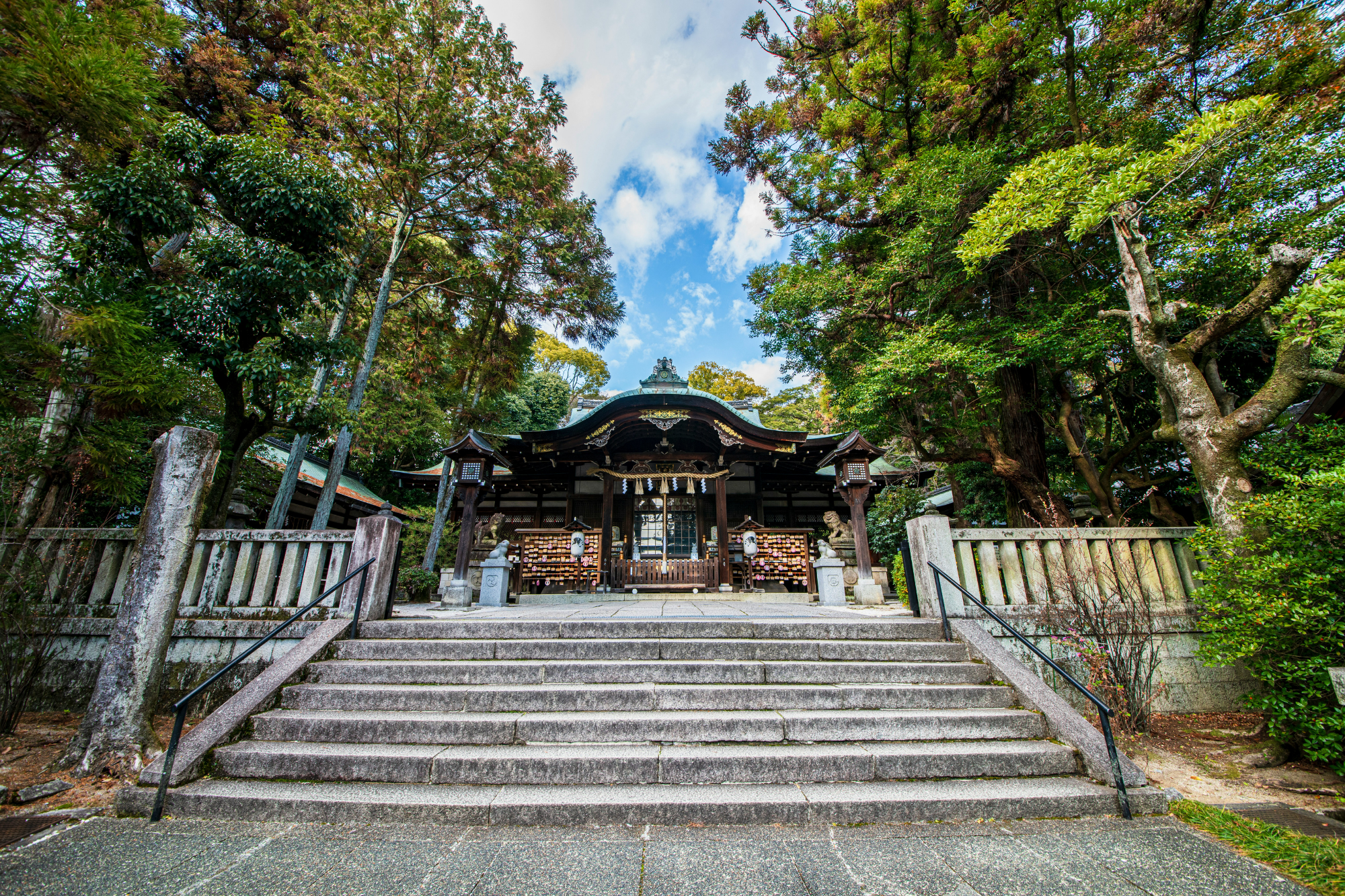
Before requesting a goshuin, it is thoughtful to visit the main hall or worship area first.
Take a quiet moment to acknowledge the sacred space.
If you’re unsure what to do before requesting one, read How to Pray at a Japanese Shrine.
Be Mindful of Photos
Photos of your own goshuin are usually fine.
But avoid photographing staff, monks, priests, or shrine attendants without permission.
Some places may also ask visitors not to photograph the writing process.
Seasonal and Unique Goshuin
Some places offer special goshuin during:
- Festivals
- New Year
- Cherry blossom season
- Autumn leaves season
- Anniversaries or special events
These can include:
- Colored ink
- Detailed illustrations
- Gold or silver accents
- Limited-edition designs
At certain popular places, people may line up just for these special goshuin.
Special goshuin are often offered around Hatsumode, the first shrine visit of the New Year.
Can Anyone Collect Goshuin?
Yes.
You don’t need to follow Shinto or Buddhism.
What matters is how you approach it.
- Not as a checklist
- Not as a stamp collection
But as something connected to a place, and a moment.
If you’re wondering whether visitors can respectfully take part in shrine customs, read Is It Disrespectful to Visit a Shrine If You’re Not Shinto?
FAQs About Goshuin
Do I need a goshuincho?
Yes.
A goshuincho is the proper book for receiving goshuin.
Regular notebooks are not appropriate.
How much does a goshuin cost?
Usually around ¥300–¥500, though special goshuin may cost more.
Can I collect goshuin from multiple places?
Yes.
Many people collect goshuin from different shrines and temples throughout their travels.
Can I get a goshuin without praying?
Technically, yes.
But taking a moment to acknowledge the shrine or temple before requesting one is appreciated.
Can I use the same book for shrines and temples?
Yes, you can.
Some people prefer to separate them, but it is not required.
A Record of Where You’ve Been
A goshuin is not just something you take home.
It quietly records:
- Where you went
- When you were there
- How you chose to experience the place
You open the book later, and the places come back to you—not as photos, but as moments.
And page by page, your journey becomes something you can hold.
Continue Your Journey
Goshuin are a beautiful way to remember your visit, but they are also connected to the sacred spaces and traditions behind them.
If you’d like to understand those traditions more deeply, these guides are a good place to continue your journey.