
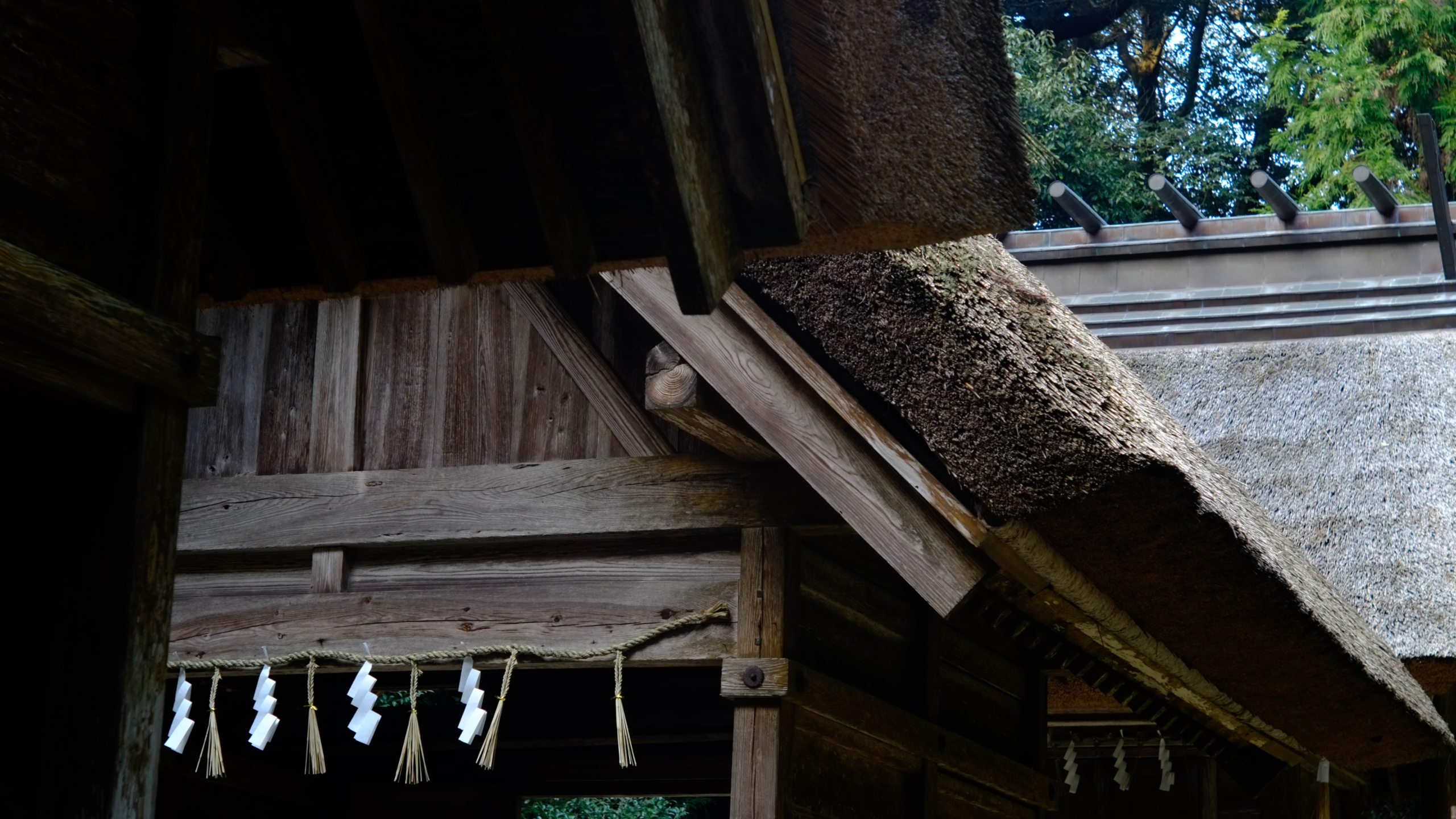
Shrine vs Temple in Japan: What’s the Difference Between Shinto Shrines and Buddhist Temples?
If you travel in Japan, you’ll quickly notice two types of sacred places: shrines and temples.
They may look similar at first glance. Both are peaceful, traditional, and spiritually significant.
But they are not the same.
Understanding the difference between a shrine and a temple will deepen your experience in Japan—and perhaps even change the way you see its culture.
Let’s explore.
The Core Difference: Shinto vs. Buddhism
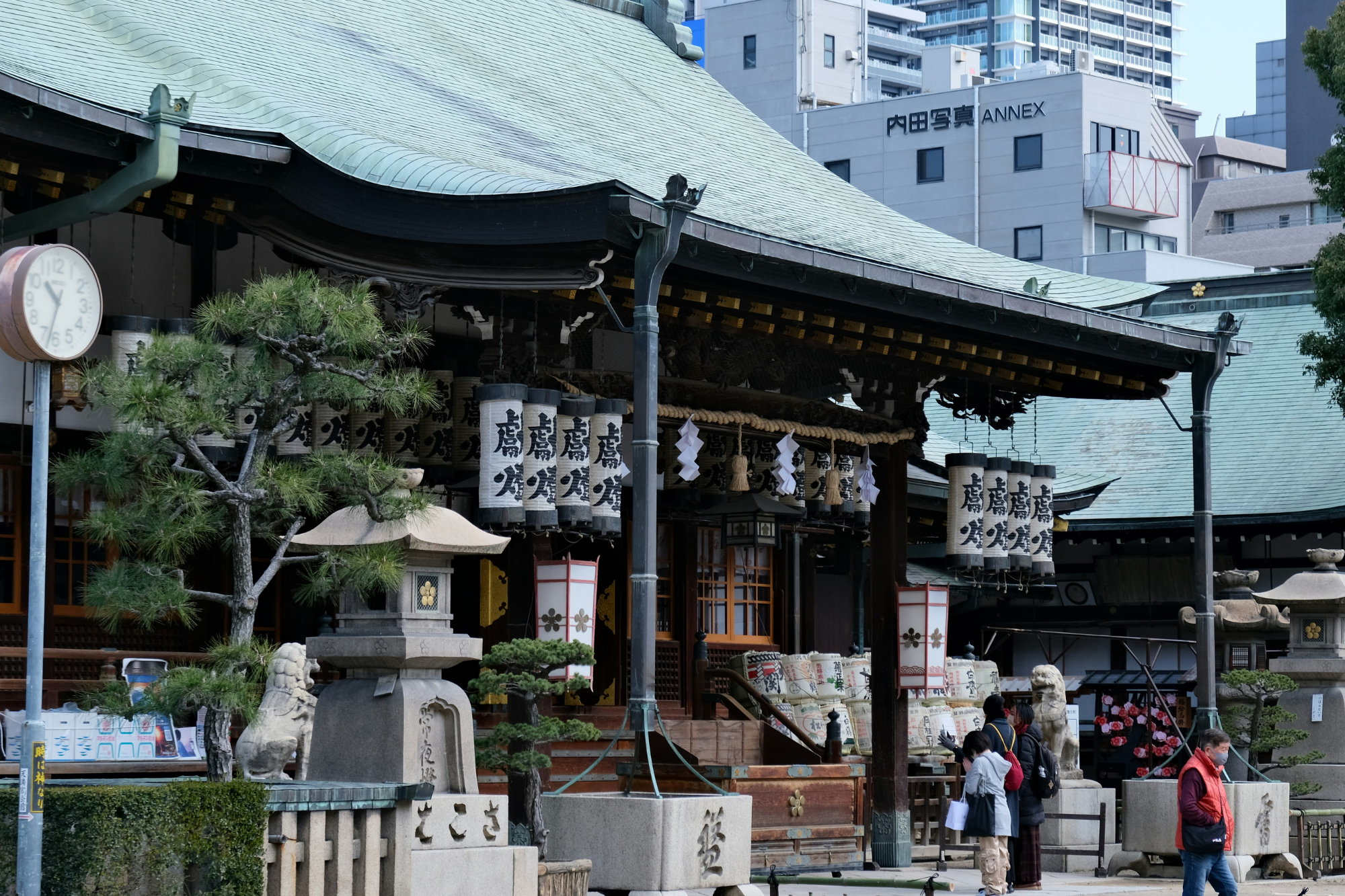
The most important difference lies in religion.
Shrines belong to Shinto, Japan’s indigenous spiritual tradition.
Temples belong to Buddhism, which was introduced to Japan in the 6th century from the Asian continent, especially through Korea and China.
Shinto focuses on kami—sacred presences connected to nature, ancestors, places, and natural phenomena.
Buddhism centers on the teachings of the Buddha and the path toward awakening or enlightenment.
In short:
Shrine = Shinto
Temple = Buddhism
Simple—but culturally profound.
To understand the tradition behind shrines more deeply, read our beginner-friendly guide to What Is Shinto?
If you’re wondering who people pray to at shrines, our guide to Who Are the Kami? explains this important Shinto concept in more detail.
How to Visually Tell Them Apart
Even without reading signs, you can often tell the difference by looking at the entrance and main features.
Shrines
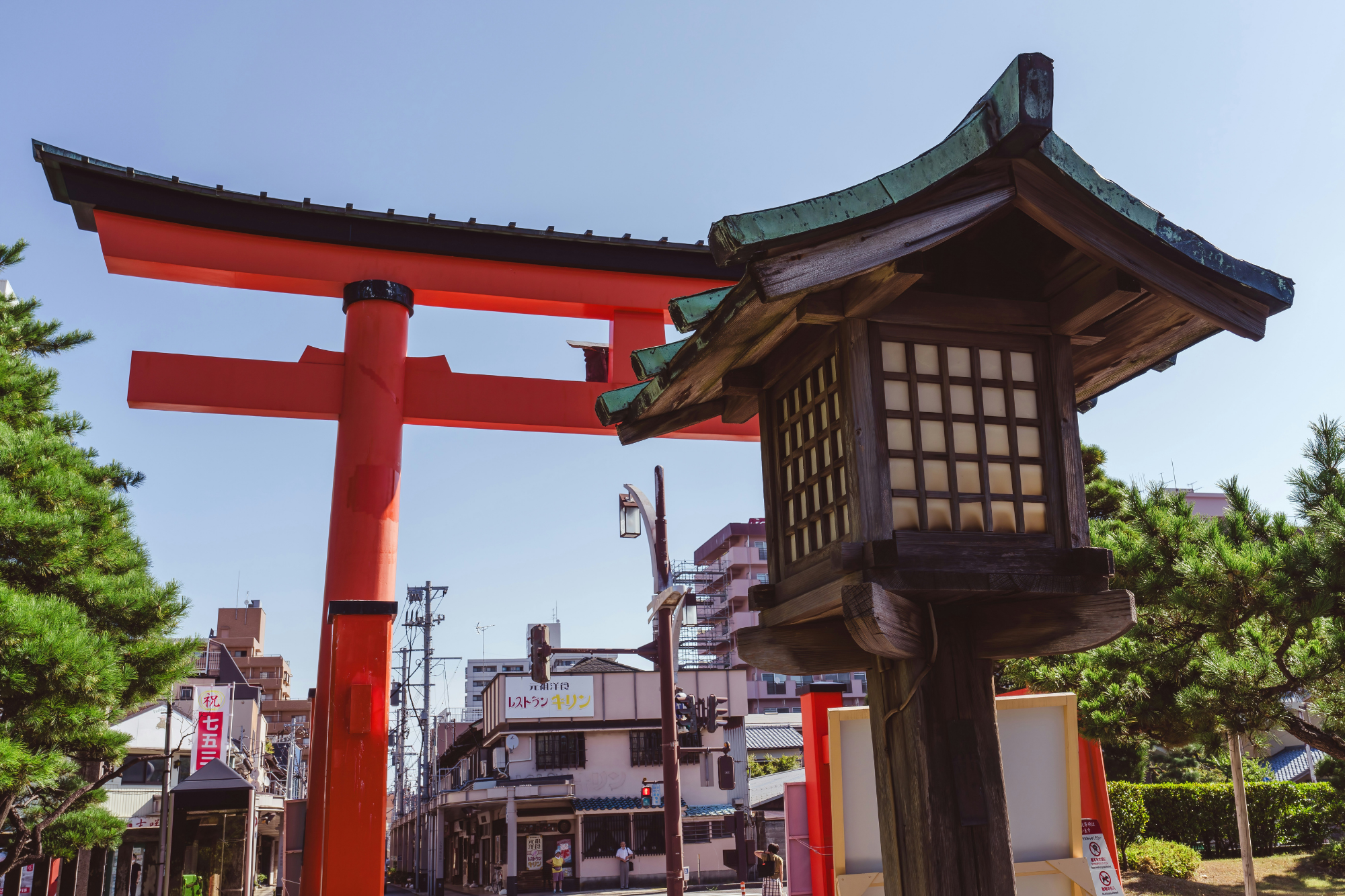
Common features:
- Torii gates at the entrance, marking the boundary between everyday space and sacred space
- A temizuya, or water basin for purification
- Shimenawa, sacred ropes often seen around trees, rocks, or shrine structures
- A close connection with nature
If you see a torii gate standing before the grounds, you are likely at a Shinto shrine.
A torii gate is one of the clearest signs that you are entering a Shinto shrine. Learn more in What Is a Torii Gate?
Before praying at a shrine, visitors often purify their hands and mouth at a temizuya, also called a chozuya. Read more in What Is a Temizuya?
Temples
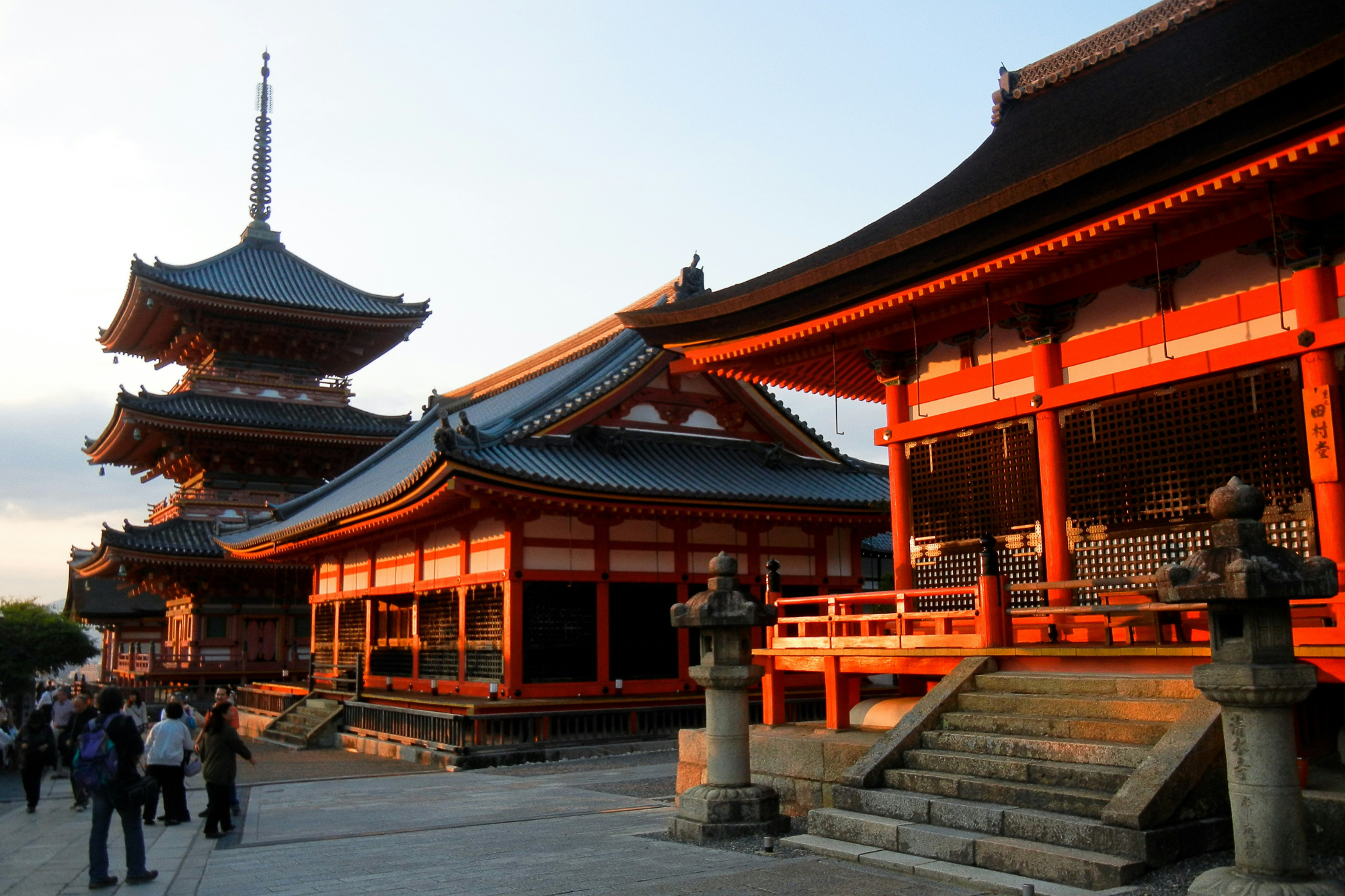
Common features:
- A main hall housing Buddhist statues or sacred images
- A large incense burner
- A temple bell, called bonsho
- Sometimes a pagoda
Temples often feel more solemn and architectural, while shrines tend to feel open, airy, and closely connected to nature.
Prayer Style: Different Gestures, Different Intentions
At a shrine:
- Bow twice
- Clap twice
- Pray
- Bow once more
At a temple:
- Bow
- Offer incense, if available
- Pray silently
Clapping is specific to Shinto shrines. It is traditionally understood as a way to show respect and call the attention of the kami.
At Buddhist temples, you generally do not clap.
For a full step-by-step explanation, read How to Pray at a Japanese Shrine.
Historical Blending (Why It Can Be Confusing)
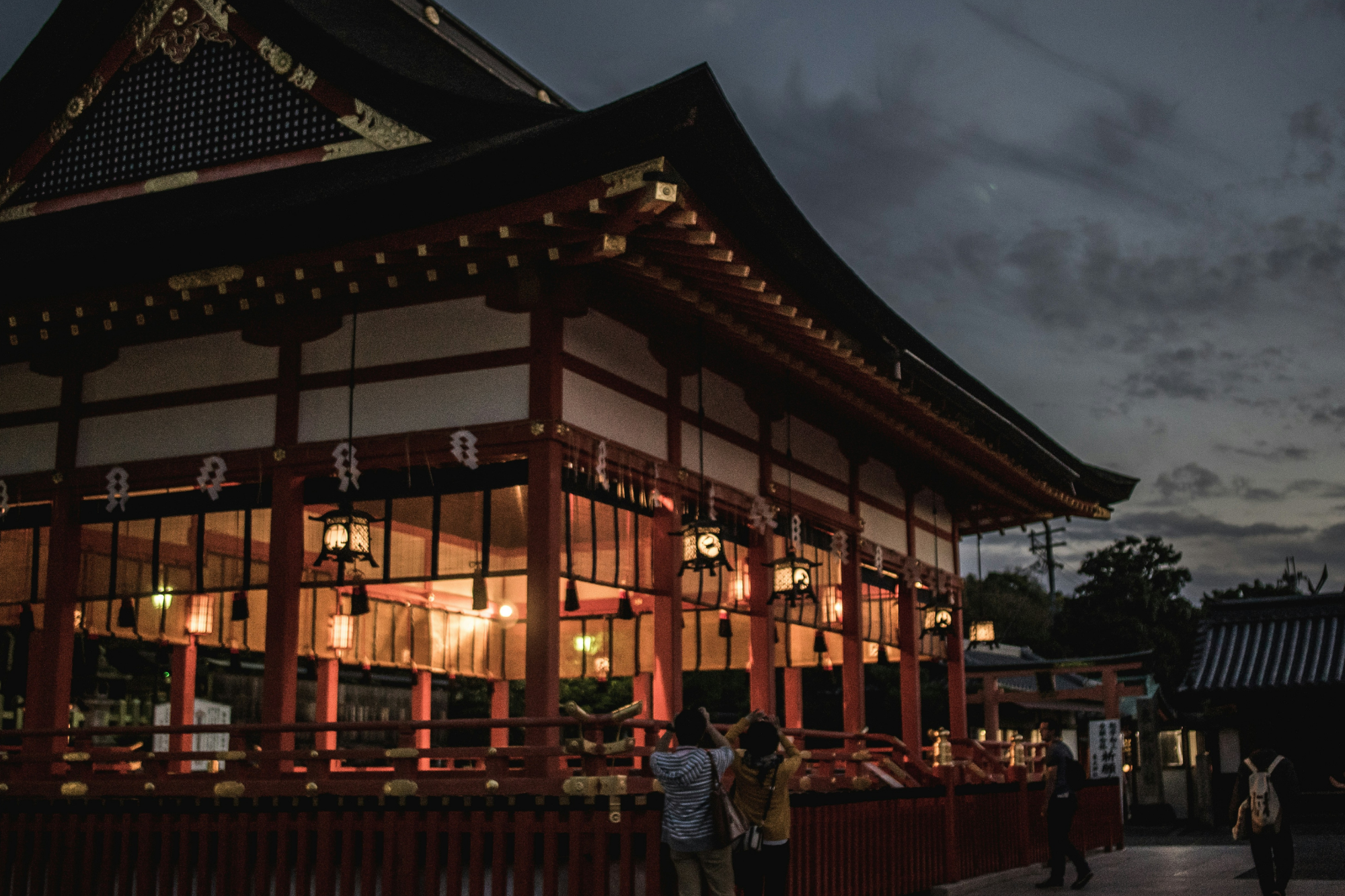
For centuries, Shinto and Buddhism were deeply intertwined in Japan.
Many sacred sites contained both shrine and temple elements, and kami were often understood through Buddhist ideas.
It was not until the Meiji period in the late 19th century that the government formally separated Shinto and Buddhism.
That is why some places still feel visually mixed.
History lingers.
A Cultural Way to Think About It
Here is a gentle way to understand the difference:
Shrines feel connected to nature, life, and renewal.
Temples feel connected to introspection, impermanence, and the afterlife.
Shrines are often visited for:
- New beginnings
- Success
- Protection
- Festivals
Many visitors also receive an omamori, a small protective amulet for wishes such as health, success, or safe travel.
Temples are often associated with:
- Funerals
- Memorial services
- Meditation
- Reflection
Of course, this is not a strict rule.
Both shrines and temples can be places of prayer, gratitude, silence, and personal reflection.
Many Japanese people visit both, depending on the occasion.
Understanding Shrines and Temples in Japan
Now that you understand the difference between a shrine and a temple in Japan, visiting these sacred spaces becomes more meaningful.
A Shinto shrine connects you to Japan’s native spirituality and its deep relationship with nature, community, and the unseen.
A Buddhist temple invites reflection, quietness, and a connection to centuries of Buddhist thought and practice.
Both shrines and temples are essential parts of Japanese culture.
Knowing how they differ allows you to appreciate Japan not just as a destination, but as a living spiritual landscape.
Next time you see a torii gate or hear the sound of a temple bell, you’ll know a little more about where you stand.
Continue Your Journey
Shrines and temples are both important parts of Japanese culture, but they offer different ways to experience sacred space.
If you’d like to learn more about Shinto shrines and their customs, these guides are a good place to continue your journey.