
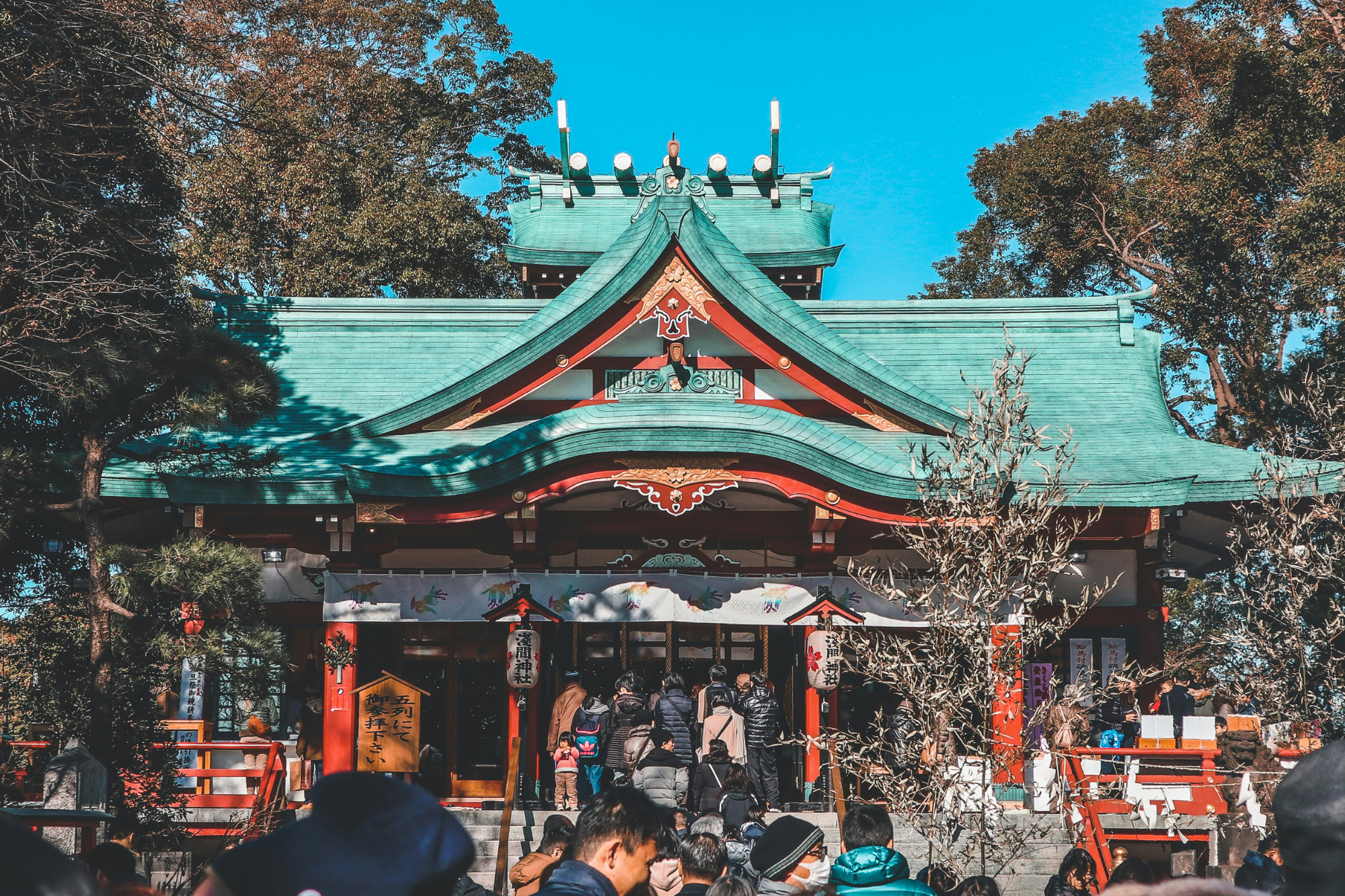
What Is Hatsumode? A Guide to Japan’s First Shrine Visit of the New Year
In Japan, many people begin the New Year by visiting a shrine or temple.
This first visit of the year is called Hatsumode.
Some people go with family. Some visit with friends. Others go alone for a quiet moment of reflection.
At Hatsumode, people give thanks for the past year and pray for health, happiness, safety, and good fortune in the year ahead.
If you visit Japan during the New Year season, Hatsumode is one of the most meaningful ways to experience Japanese culture.
Not sure whether you are visiting a shrine or a temple? Read Shrine vs Temple in Japan to understand the difference.
What Is Hatsumode?
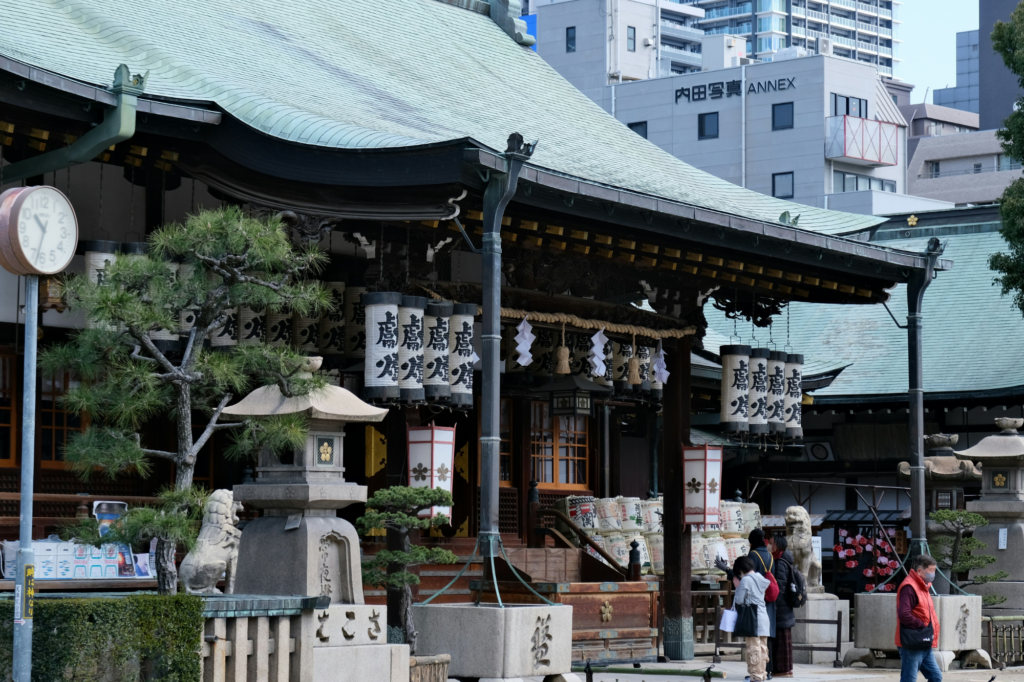
Hatsumode means the first shrine or temple visit of the New Year.
Many people visit during the first three days of January, known as sanganichi, but the timing can vary depending on the person, region, or shrine.
Some visit right after midnight on New Year’s Eve. Others go later in January to avoid crowds.
The purpose of Hatsumode is simple: to mark the beginning of a new year with gratitude, prayer, and a fresh state of mind.
If you are new to Japanese shrines, read What Is a Shinto Shrine? to understand the sacred spaces behind this tradition.
Why Do People Go to Hatsumode?
Many people think Hatsumode is only about making wishes.
But it is also about giving thanks.
People may visit to express gratitude for safely passing through the previous year and to pray for the year ahead.
Common prayers include:
- Health
- Family happiness
- Safe travel
- Success in school or work
- Good relationships
- Protection from misfortune
At a shrine, it is natural to make a wish. But it can also be meaningful to simply say thank you.
You might give thanks for your health, your family, your journey, or even the fact that you are able to visit Japan today.
To better understand who people pray to at shrines, read Who Are the Kami?
Hatsumode as a New Year Tradition
Hatsumode is not only a religious practice.
For many people in Japan, it has also become one of the major events of the New Year season.
This is especially true for younger generations, who may enjoy Hatsumode as part of their New Year plans.
Even people who do not usually visit shrines may go during Hatsumode to draw an omikuji and check their fortune for the year.
Some people enjoy countdown events on New Year’s Eve and then head straight to a shrine afterward with friends or loved ones.
In this way, Hatsumode is both a sacred visit and a familiar cultural tradition that marks the feeling of a new beginning.
If you’re wondering whether non-Shinto visitors can respectfully take part in shrine customs, read Is It Disrespectful to Visit a Shrine If You’re Not Shinto?
What Do People Do During Hatsumode?
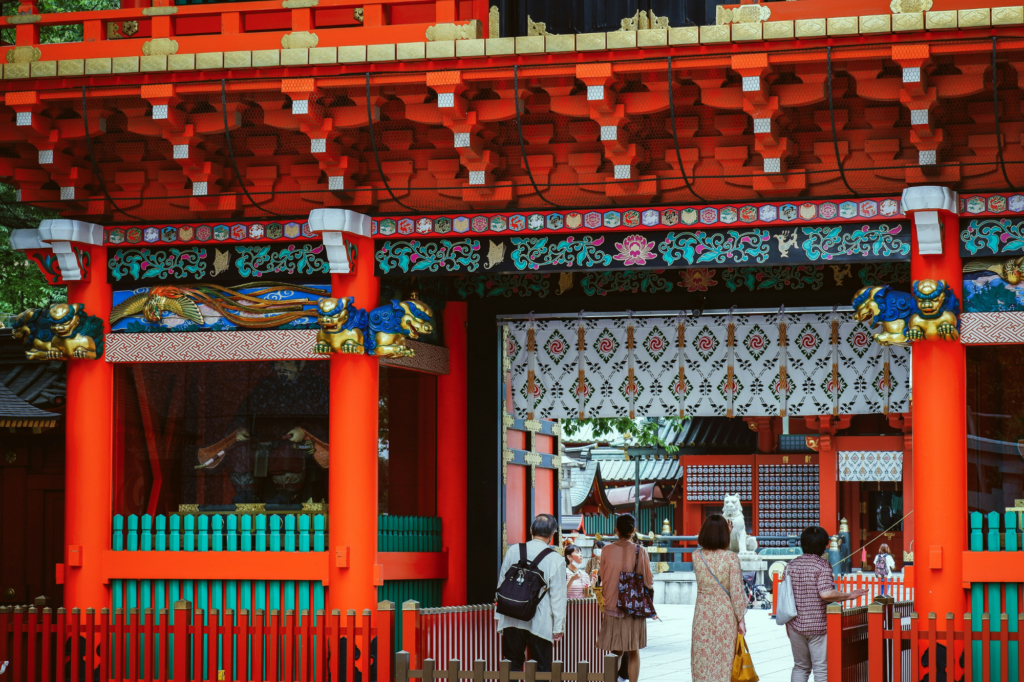
During Hatsumode, visitors often follow the usual flow of shrine worship.
They may:
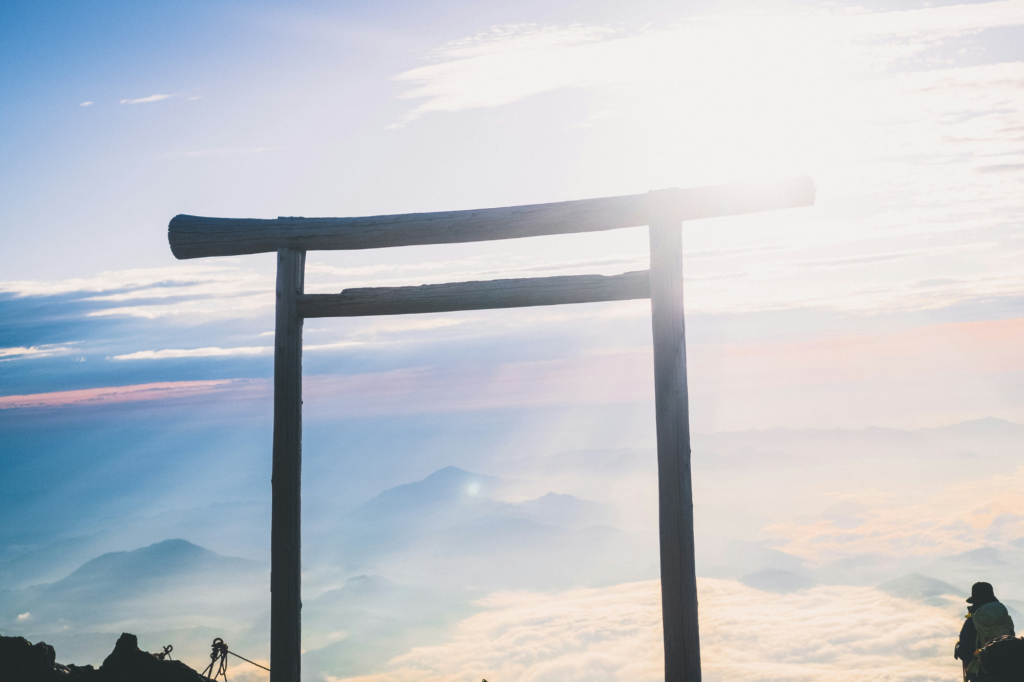
- Pass through the torii gate
- Purify their hands and mouth
- Make an offering
- Bow, clap, and pray
- Draw an omikuji
- Receive an omamori
- Get a goshuin
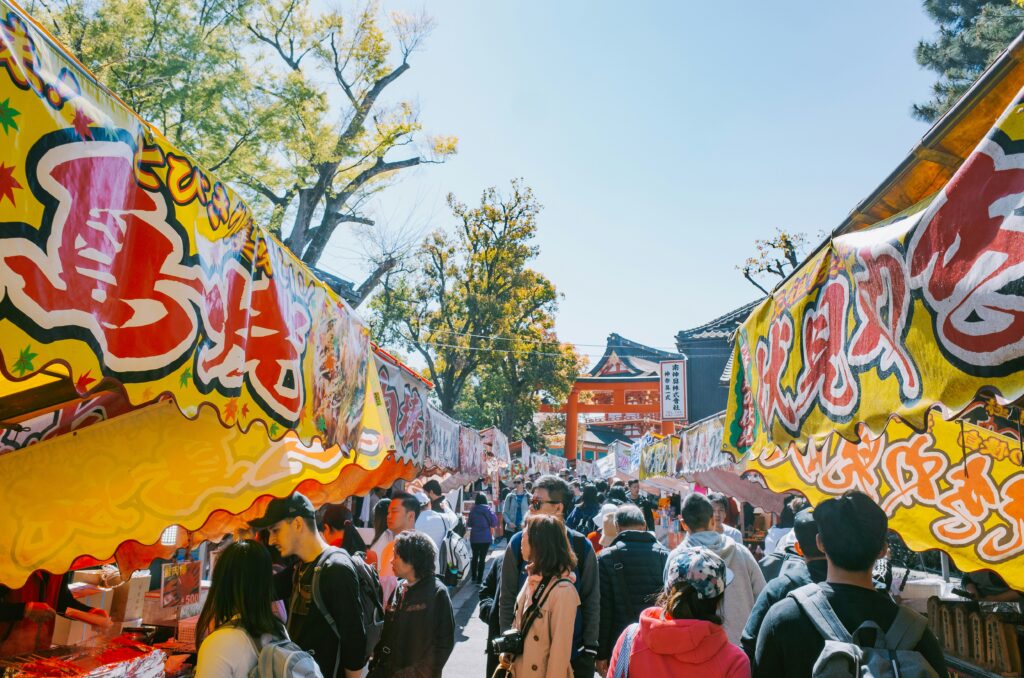
Enjoy seasonal food stalls or New Year decorations
The torii gate marks the entrance into sacred space. Learn more in What Is a Torii Gate?
Before praying, visitors often purify their hands and mouth at a temizuya, also called a chozuya. Read more in What Is a Temizuya?
For a full step-by-step explanation of shrine etiquette, read How to Pray at a Japanese Shrine.
Omikuji, Omamori, and New Year Blessings
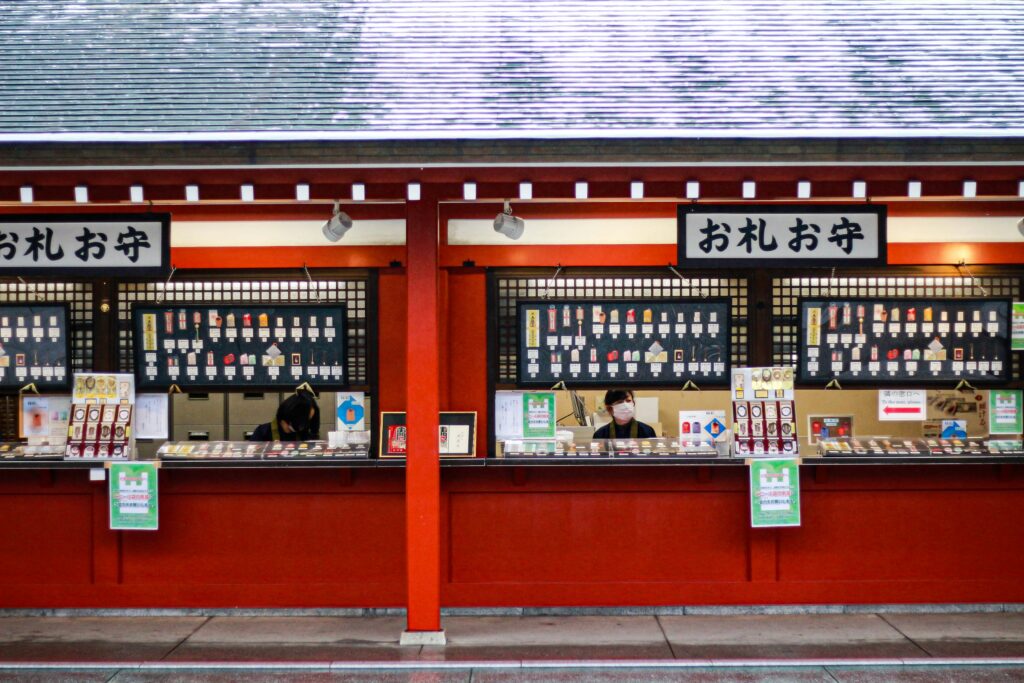
One of the most popular parts of Hatsumode is drawing an omikuji, a paper fortune that offers guidance for the year ahead.
Many people read their fortune carefully, looking at advice about health, love, work, travel, and personal wishes.
Some keep a good fortune. Others tie an unfavorable fortune at the shrine, symbolically leaving bad luck behind.
To learn more about these paper fortunes, read What Is an Omikuji?
Visitors may also receive an omamori, a protective charm for health, success, safe travel, love, or other wishes.
An omamori is not just a souvenir. It is a small connection to the shrine and the prayer offered there.
To learn how these charms are used, read What Is an Omamori?
Some people also receive a goshuin, a handwritten shrine or temple seal that records their visit.
A goshuin can become a meaningful reminder of the beginning of the year.
Read more in What Is a Goshuin?
Crowds During Hatsumode
Famous shrines and large temples can become extremely crowded during Hatsumode.
On New Year’s Day and during the first three days of January, visitors may wait for hours before reaching the main hall.
This crowded atmosphere is part of the New Year experience at many major shrines.
Some shrines also prepare special New Year omamori, lucky items, limited-time fortunes, or festive prize drawings.
In some places, visitors may enjoy special lotteries or events where they can win seasonal gifts or lucky items.
Because of this, Hatsumode can feel both solemn and lively.
It is a time for prayer, but also a time to feel the energy of the New Year.
Visiting Before the New Year
In recent years, some shrines have allowed visitors to make their New Year visit before January 1 in order to reduce crowds.
This became more common after the COVID-19 pandemic, when many shrines encouraged people to avoid gathering all at once.
You may see terms such as:
- Saisaki-mode
- Nenmatsu-mode
- Yoshuku-mode
These refer to early New Year visits or year-end visits that allow people to pray for a good start before the New Year officially begins.
Depending on the shrine, New Year lucky items or omamori may also be available before January 1.
However, this varies by shrine, so it is best to check the official website or announcements before visiting.
Is Hatsumode Only for Shrines?
No.
Many people visit Shinto shrines for Hatsumode, but Buddhist temples are also common places for New Year visits.
At a shrine, people pray to the kami.
At a temple, people pray before Buddhist figures.
Both are part of Japan’s New Year culture.
For visitors, either is perfectly fine.
What matters most is visiting with respect.
To understand how shrines and temples differ, read Shrine vs Temple in Japan.
Is Hatsumode Religious?
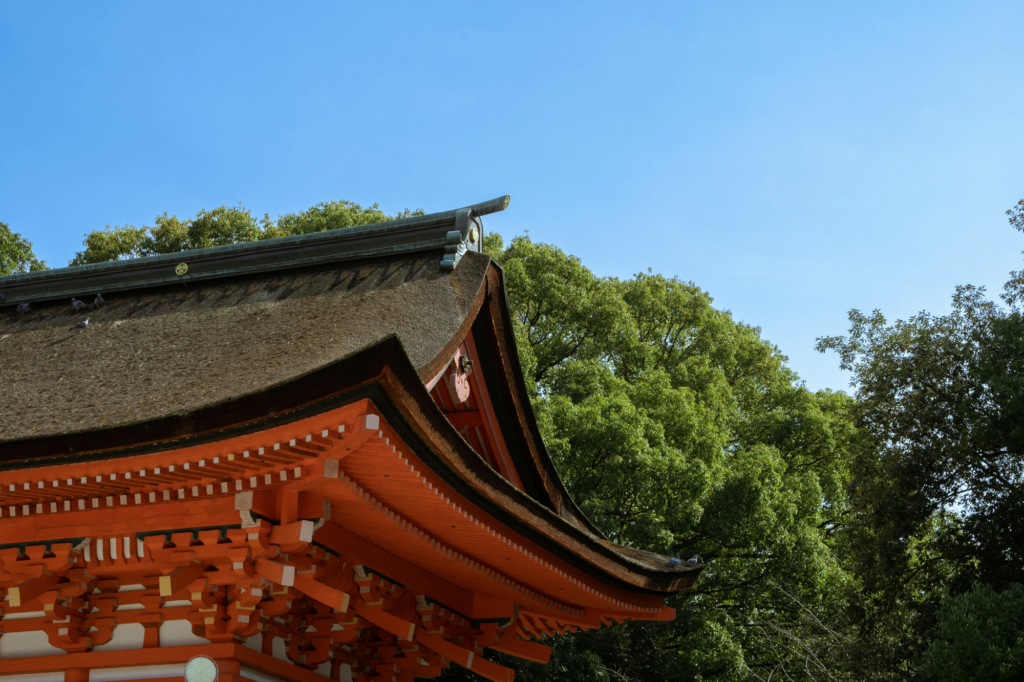
Hatsumode has religious roots, but in modern Japan it is also a cultural tradition.
Many Japanese people describe themselves as non-religious, yet still visit shrines or temples during the New Year.
For some, Hatsumode is a serious prayer.
For others, it is a seasonal custom, a family outing, or a way to feel the beginning of the year.
Both experiences are part of modern Hatsumode.
This flexibility is one reason why shrine visits remain so familiar in Japanese life.
To learn more about the tradition behind shrines, read What Is Shinto?
Can Foreign Visitors Join Hatsumode?
Yes.
Foreign visitors are welcome to experience Hatsumode respectfully.
You do not need to be Shinto or Buddhist.
You do not need perfect knowledge of every custom.
A respectful attitude is enough.
For visitors to Japan, Hatsumode is one of the most memorable ways to experience the Japanese New Year.
Celebrating with fireworks, countdowns, or parties can be fun.
But standing quietly at a shrine, hearing the sounds of people praying, drawing an omikuji, and watching families begin the year together offers a different kind of New Year experience.
It is a chance to see how many people in Japan welcome the year not only with excitement, but also with gratitude, reflection, and hope.
Final Thoughts: A Quiet Beginning
Hatsumode is more than the first shrine visit of the year.
It is a moment to pause.
To give thanks.
To wish for a good year.
To step into January with a fresh heart.
Whether you visit a famous shrine filled with crowds or a small local shrine in a quiet neighborhood, Hatsumode offers a glimpse into how Japan welcomes the New Year.
You do not need to understand everything perfectly.
Just walk in with respect, take in the atmosphere, and let the moment speak for itself.
Continue Your Journey
Hatsumode brings together many parts of Japanese shrine culture.
If you’d like to understand the traditions behind it, these guides are a good place to continue your journey.