What Is an Ema? A Simple Guide to Japan’s Wooden Prayer Plaques
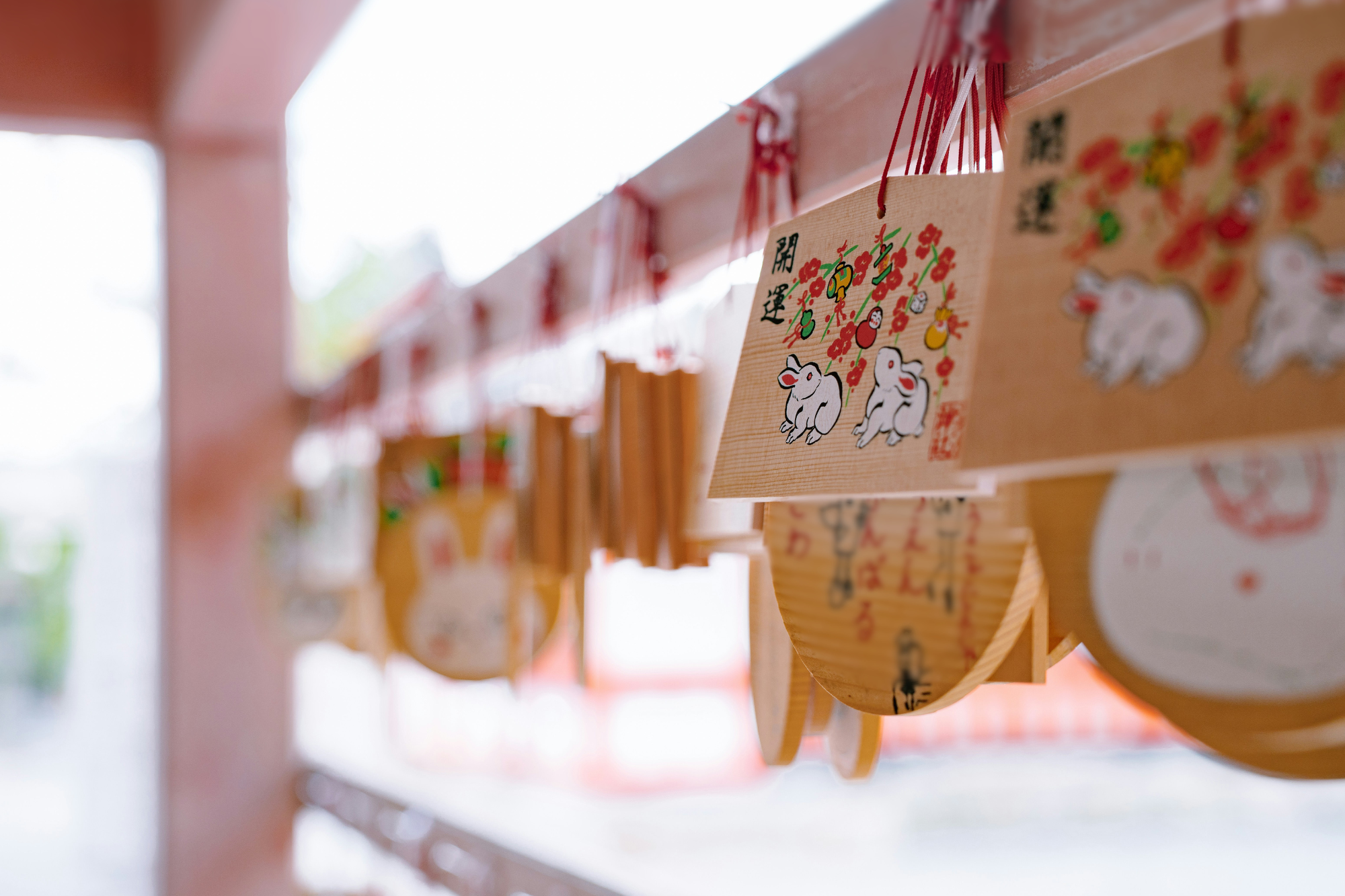
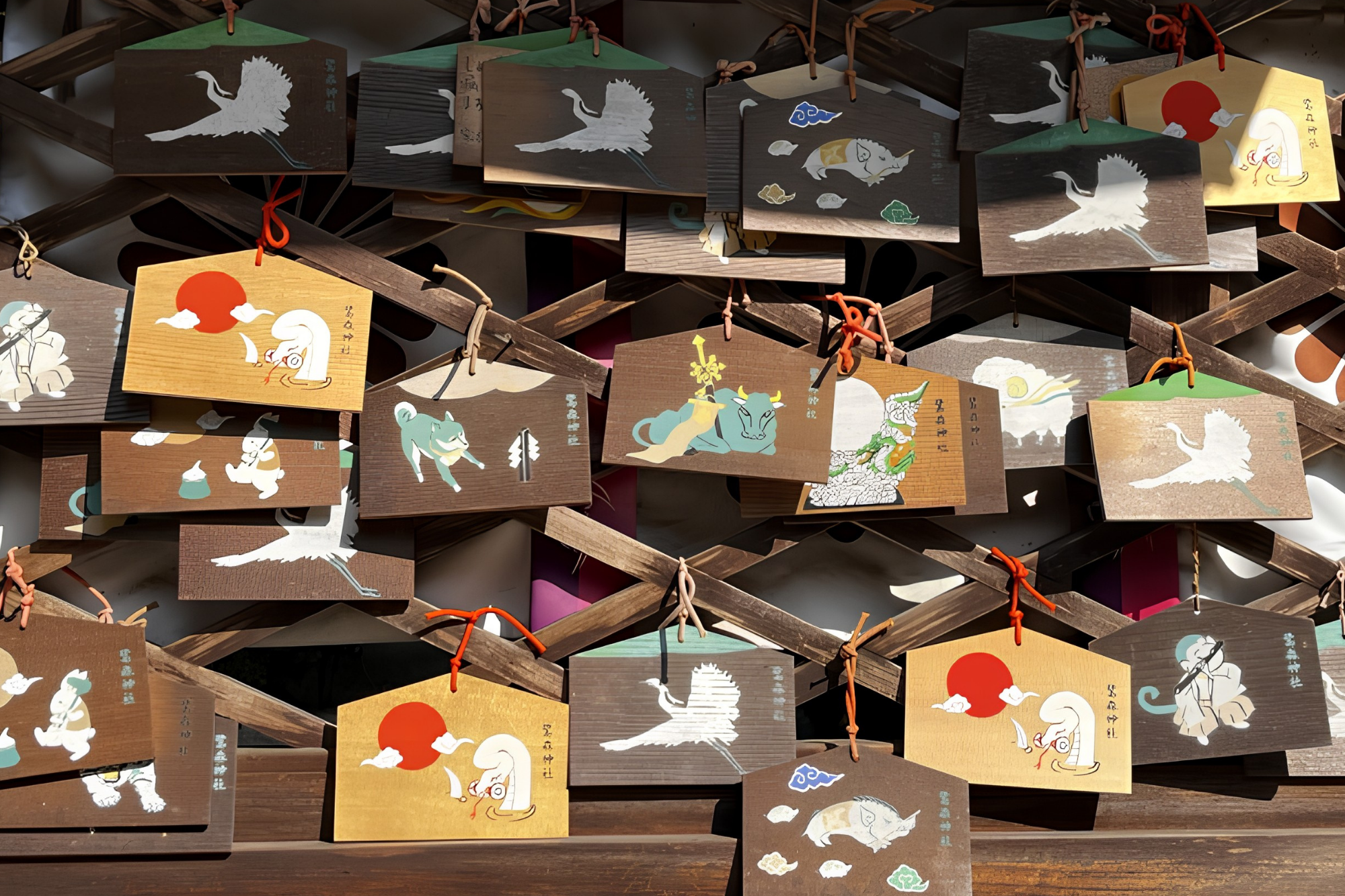
At many shrines in Japan, you’ll find rows of small wooden plaques hanging quietly under a roof.
These are ema—a simple way people express their wishes, hopes, and gratitude.
Some are neatly written.
Some are deeply personal.
Together, they form a quiet collection of human thoughts left behind in a sacred place.
What Is an Ema?
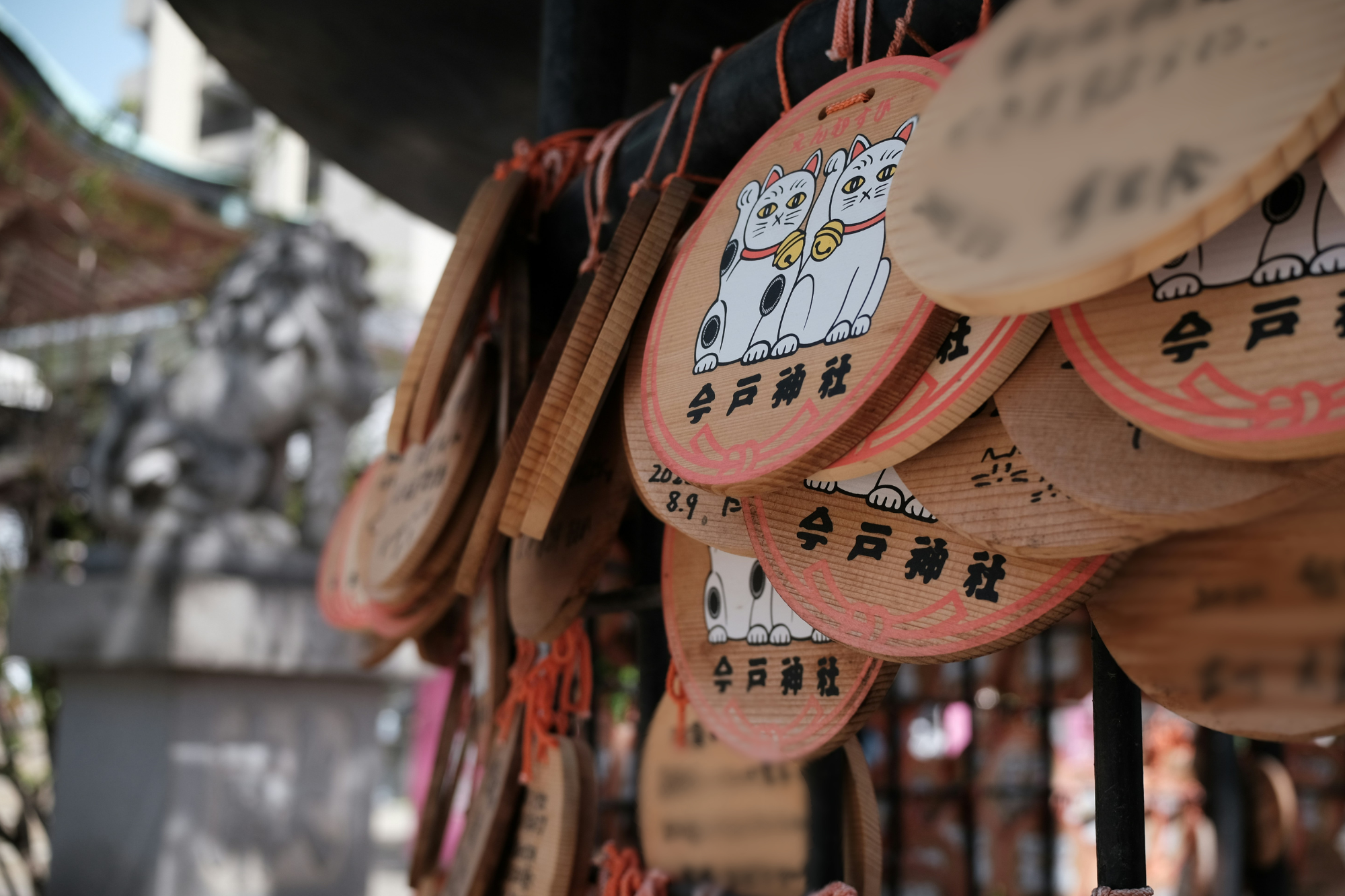
An ema is a small wooden plaque on which visitors write prayers, wishes, or words of gratitude at a shrine.
After writing, the plaque is hung on a designated rack, symbolically offering the wish to the kami.
It is a simple act—but one that turns a private thought into something gently shared.
To understand who these wishes are offered to, read Who Are the Kami?
Why Is It Called “Ema”?
From Horses to Wooden Plaques
The word ema literally means “picture horse.”
In the past, people offered real horses to shrines when making important prayers.
Over time, this practice became more symbolic and was gradually replaced by wooden plaques featuring horse illustrations.
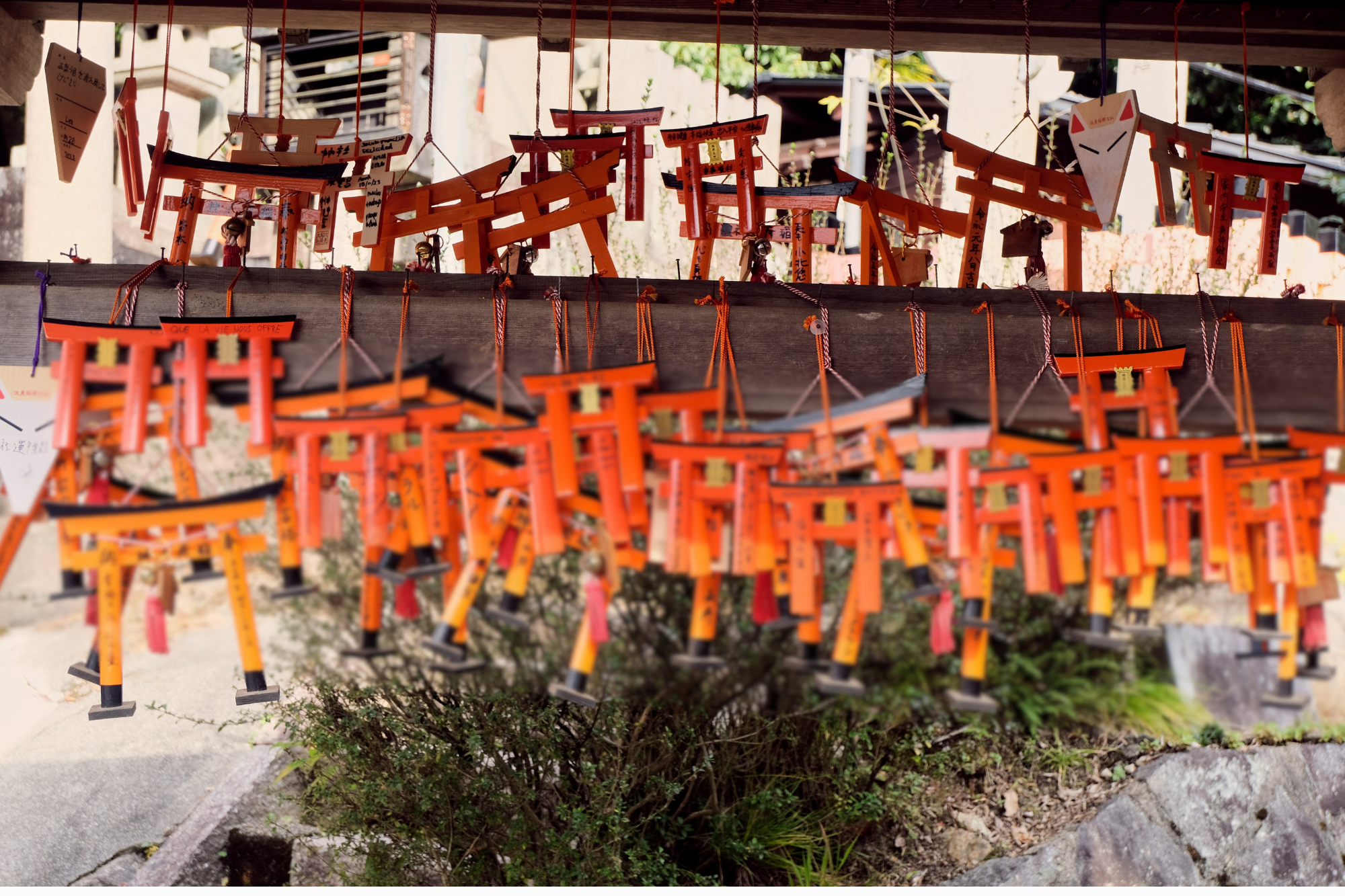
Today, ema designs vary widely, including:
- Zodiac animals
- Shrine-specific symbols
- Seasonal motifs
- Characters or local designs
But the intention behind them remains the same.
What Do People Write on Ema?
Ema are often connected to real moments in life.
Common wishes include:
- Academic success
- Good health
- Love and relationships
- Career or business goals
- Safe travel
- Family happiness
Some shrines are known for specific wishes.
For example, shrines dedicated to scholarship are popular before exams, while others are known for relationships, safe childbirth, or protection.
Similar wishes are often reflected in omamori, small protective charms carried for health, success, relationships, and safe travel.
How to Write an Ema
Writing an ema is simple, even for first-time visitors.
Step 1: Receive an Ema
Purchase one at the shrine office or a nearby counter.
This is often the same area where visitors receive omamori, protective charms for health, success, safe travel, and other wishes.
Step 2: Take a Moment
Think about what you want to express—a wish, a goal, or even gratitude.
Many visitors write an ema after offering a prayer. If you’re unsure how to pray, read How to Pray at a Japanese Shrine.
Step 3: Write Your Message
You can write in any language.
Short and simple is perfectly fine.
Step 4: Hang It
Place your ema on the designated rack.
That’s it.
Can You Take an Ema Home?
Yes—but it depends on how you use it.
- Blank ema:
You may take it home as a souvenir if you wish. - Written ema:
It is best to leave it at the shrine.
Hanging it there is part of the experience—a way of entrusting your thoughts to the sacred space.
Ema Etiquette
A few small things to keep in mind:
- Write with sincerity
- Avoid inappropriate or offensive messages
- Place your ema gently
- Be mindful of others around you
- Do not remove or photograph other people’s messages closely
It is a personal act, but still part of a shared environment.
Can Anyone Write an Ema?
Yes.
You do not need to follow Shinto to take part.
Ema are open to anyone who wishes to pause and reflect.
There is no single “correct” way to write one.
Only your own intention.
If you’re wondering whether visitors can respectfully take part in shrine customs, read Is It Disrespectful to Visit a Shrine If You’re Not Shinto?
Another simple shrine experience is drawing an omikuji, a paper fortune that offers guidance for the future.
Leaving a Thought Behind
An ema does not stay with you.
You leave it there.
Among many others, quietly becoming part of the place.
And maybe that is what makes it different.
Not something you carry home, but something you choose to let go.
Continue Your Journey
Writing an ema is one of the quietest ways to express a wish at a Japanese shrine.
If you’d like to understand more about shrine customs and the meaning behind them, these guides are a good place to continue your journey.